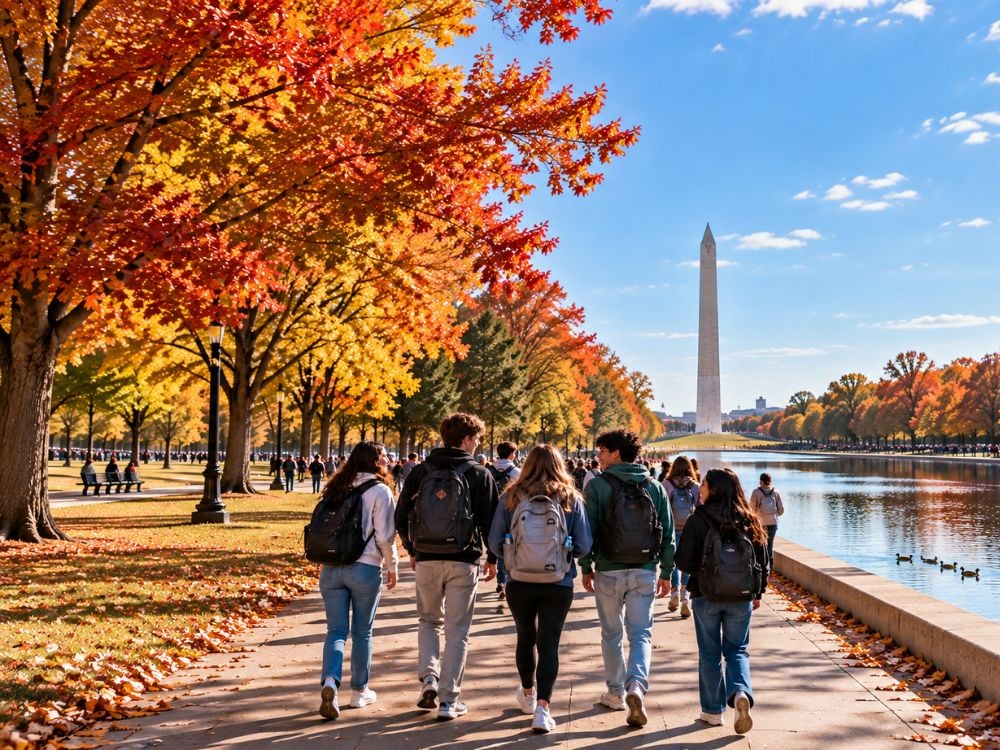

From a Moon rock you can actually touch to a schoolhouse chained down for hurricanes, some of the best things students learn while traveling are the things nobody sees coming.
Sure, you can study the Constitution in class. You can read about ancient Rome, learn the parts of the human heart, and memorize dates for a history test.
But then you travel.
Suddenly, you’re standing inside a 15,000-times-larger-than-life human heart, discovering that the Statue of Liberty gets struck by lightning, or learning that Boston was once hit by an actual wave of molasses.
Those are the facts students tell their friends about later.
So, in honor of the weird, wonderful, and wildly memorable side of educational travel, here are a few of our favorites from 11 of ETA’s most popular student destinations.
Washington, D.C.
Explore Washington, D.C. student trips with ETA
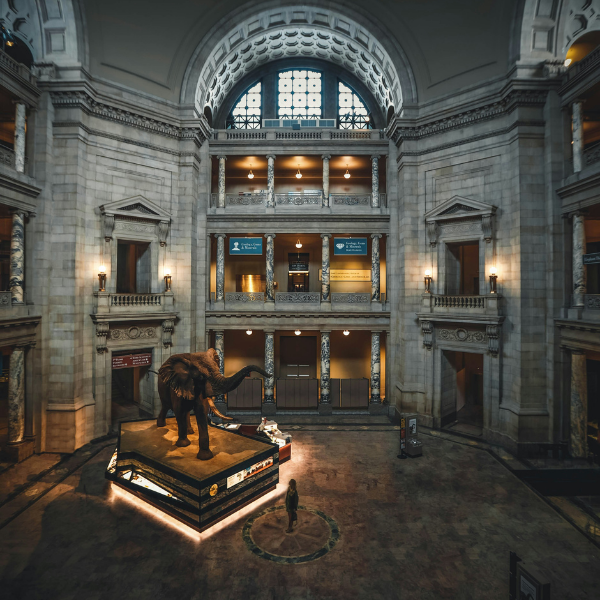
You can touch the Moon. At the National Air and Space Museum, visitors can touch a piece of basalt collected during Apollo 17. When the museum opened in 1976, it became the world’s first touchable Moon rock exhibit. (Air and Space Museum)
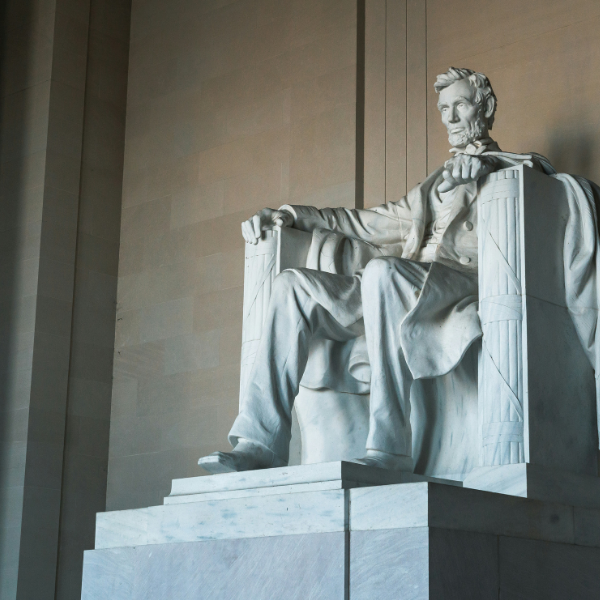
There’s a typo inside the Lincoln Memorial. Sort of. An engraver accidentally carved an “E” where an “F” should have appeared in Lincoln’s Second Inaugural Address. The mistake was repaired by filling in part of the letter, but if you know where to look, you can still spot the evidence. (National Park Service)
D.C. may have the greatest free field trip collection on Earth. The Smithsonian includes 21 museums and the National Zoo, and admission to Smithsonian museums in Washington is free. Dinosaurs before lunch, spacecraft after lunch? Entirely possible. (Smithsonian Institution)
New York City
Explore New York City student trips with ETA
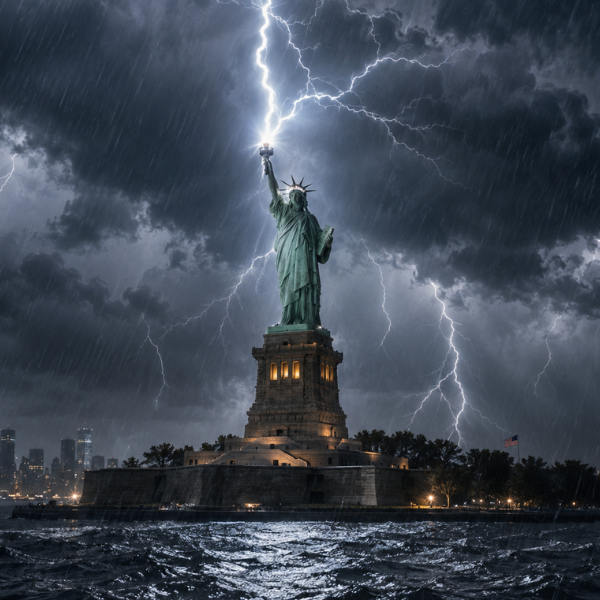
The Statue of Liberty is basically wearing a two-penny-thick coat. Her copper exterior is only about 3/32 of an inch thick, roughly the thickness of two pennies stacked together. She was originally copper-brown, too. It took about 30 years for oxidation to create the famous green patina we see today. (National Park Service)
Lady Liberty gets struck by lightning. A lot. Her height and copper construction make lightning strikes a regular occurrence, although the National Park Service says no one knows exactly how many times she is hit each year. She can also sway up to three inches in strong winds. (National Park Service)
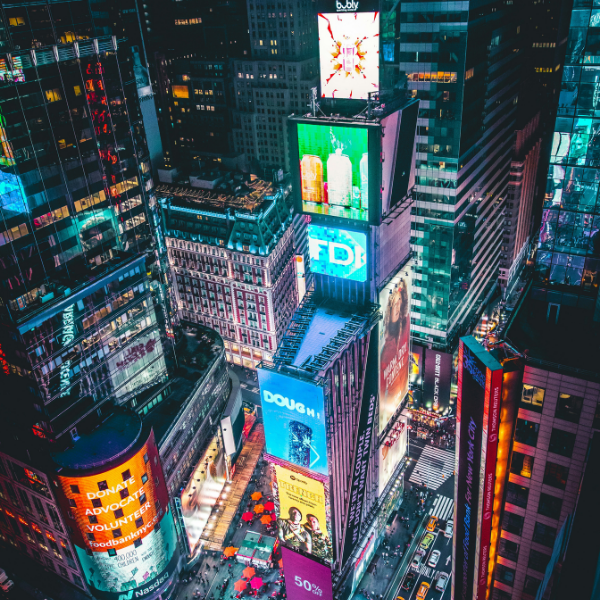
Times Square was not always Times Square. It was originally called Longacre Square after London’s carriage district. The neighborhood was renamed after The New York Times moved its headquarters there, and the first Times Square New Year’s Eve celebration followed in 1904. (Times Square NYC)
Bonus fact: Central Park covers 843 acres and contains around 58 miles of pedestrian paths. So when someone says, “We’ll just walk through Central Park,” maybe ask a follow-up question. (National Park Service)
Orlando
Explore Orlando student trips with ETA
Orlando may be famous for theme parks, but the city itself is surprisingly weird.
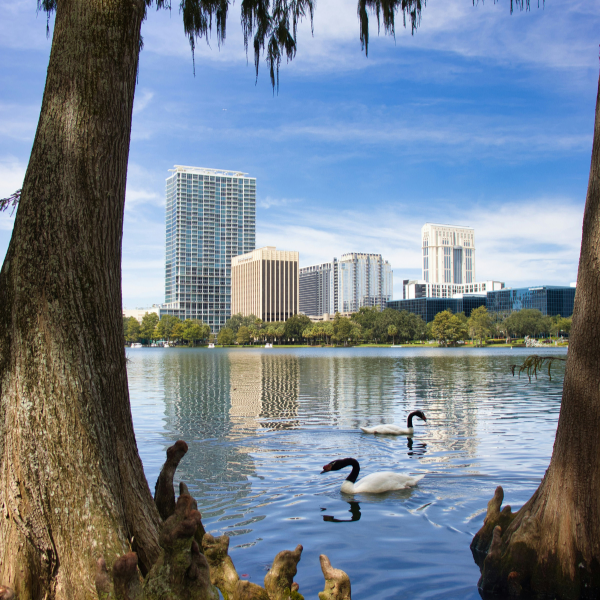
Orlando has more than 100 lakes. Even stranger, downtown’s Lake Eola is actually a giant sinkhole. Its deepest point is around 80 feet. (City of Orlando)
The swans are basically local celebrities. Swans first arrived at Lake Eola in 1922, and today several different species live there. Orlando’s swan boat tradition dates all the way back to 1925. (City of Orlando)
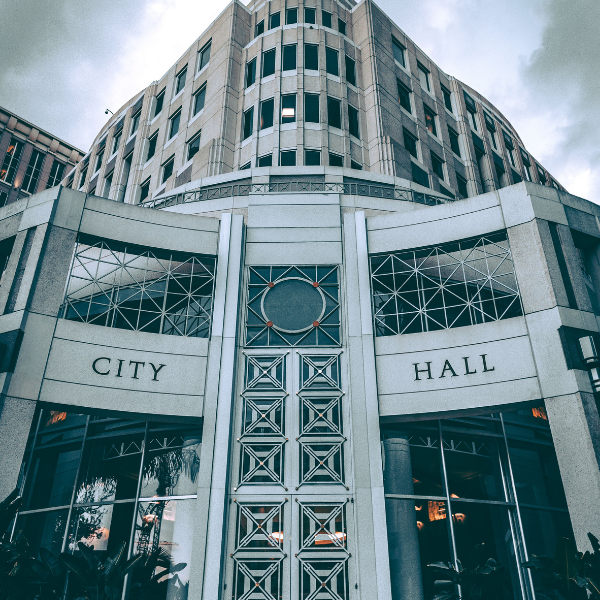
Hollywood once blew up Orlando City Hall. For real. When the city’s former City Hall was scheduled for demolition, filmmakers used the actual implosion in the opening scene of Lethal Weapon 3. Why waste a perfectly good explosion? (City of Orlando)
Boston
Explore Boston student trips with ETA
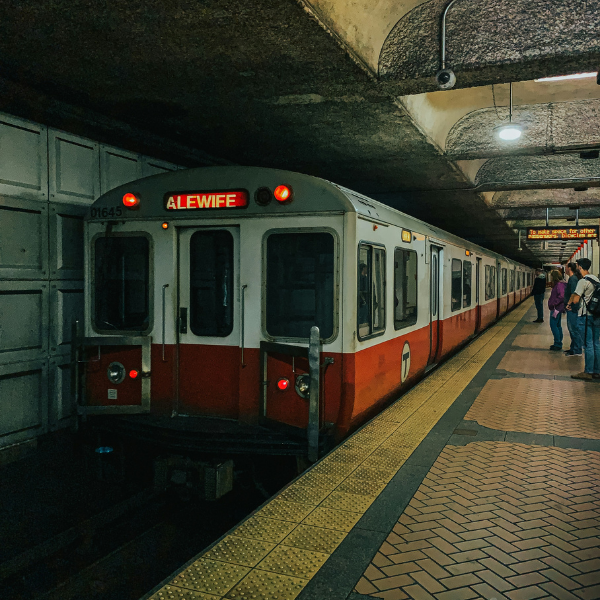
America’s first subway opened in Boston. The country’s first subway began operating in 1897, seven years before New York City’s first subway line opened. (Transit DOT)
Boston once experienced a literal flood of molasses. In 1919, a massive storage tank ruptured and released approximately 2.3 million gallons of molasses into the North End. The wave reached about 15 feet high and reportedly moved at roughly 35 miles per hour. It sounds cartoonish, but the Great Molasses Flood was a very real and deadly industrial disaster. (History)
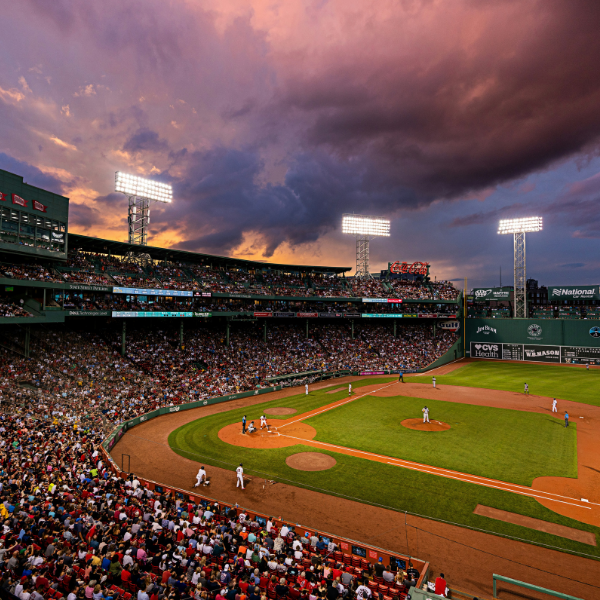
The Green Monster really is a monster. Fenway Park’s famous left-field wall stands 37 feet, 2 inches high. The ballpark itself dates to 1912, making a Red Sox game feel a little like visiting a working history museum with hot dogs. (MLB.com)
Italy
Explore educational tours to Italy with ETA
Italy has 62 UNESCO World Heritage properties. Ancient cities, archaeological sites, churches, landscapes, and works of architecture make it one of the most concentrated places on Earth for seeing world history in person. (UNESCO World Heritage Centre)
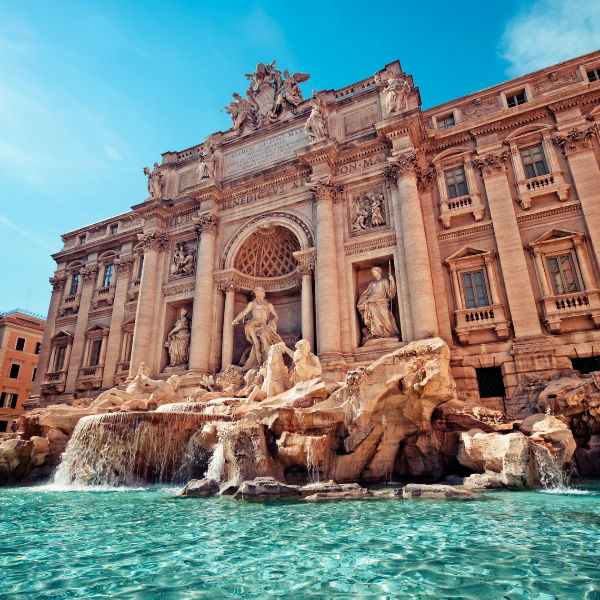
Rome has more than 2,000 fountains. That includes the little cast-iron drinking fountains Romans call nasoni, or “big noses,” because of their curved spouts. They’ve been dispensing free drinking water around the city since the 1800s. (Turismo Roma)
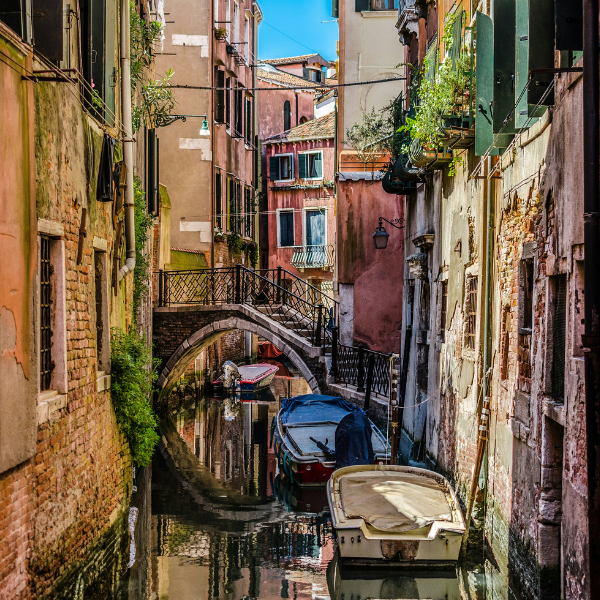
Venice is basically a giant pedestrian puzzle built on water. The city is made up of 118 islands connected by more than 400 bridges, with canals serving as its waterways. Getting a little lost there is practically part of the curriculum. (Italia.it)
Philadelphia
Explore Philadelphia student trips with ETA
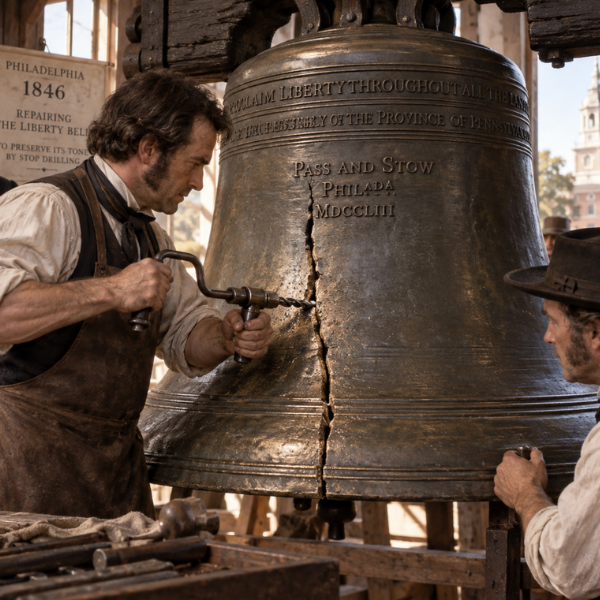
Part of the Liberty Bell’s famous crack was made bigger on purpose. After a thin crack developed, workers tried a repair technique called “stop drilling,” which involved widening the crack. Unfortunately, the repair didn’t hold, and the bell cracked again in 1846. (National Park Service)
And that bell is heavy. The Liberty Bell weighs 2,080 pounds and measures more than 46 inches across. Suddenly your school bell seems very manageable. (National Park Service)
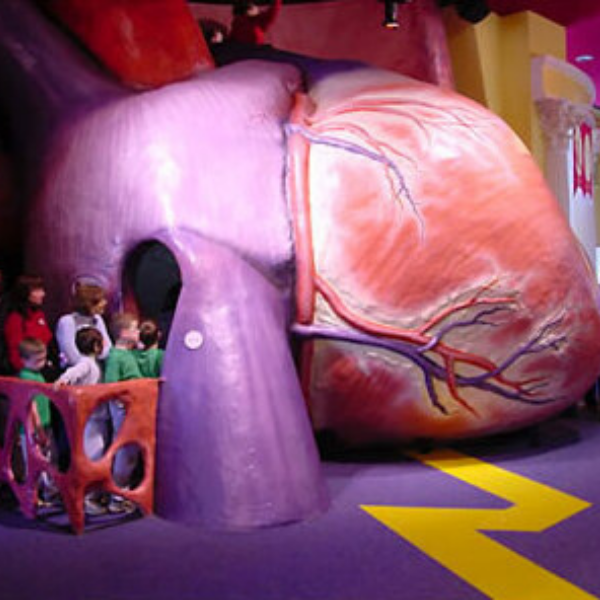
You can walk through a human heart. The Franklin Institute’s beloved Giant Heart first opened in 1954. The structure is roughly 15,000 times larger than an actual human heart, allowing visitors to walk through it while hearing the sounds of a heartbeat. (The Franklin Institute)
France
Explore France student trips with ETA
It takes 20,000 bulbs to make the Eiffel Tower sparkle. After dark, thousands of tiny lights flash across the tower for five minutes at the beginning of each hour. (La tour Eiffel)
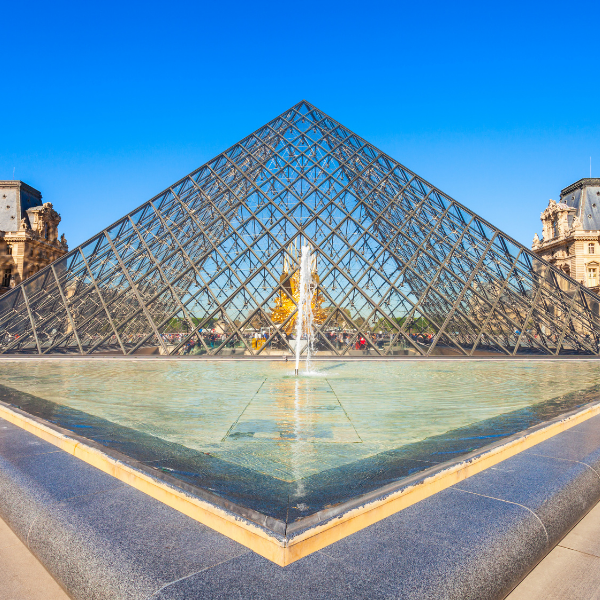
The Louvre has 403 rooms. Add roughly 14.5 kilometers of rooms and corridors, and you begin to understand why “seeing the Louvre” and “seeing everything in the Louvre” are two very different activities. (Espace presse du musée du Louvre)
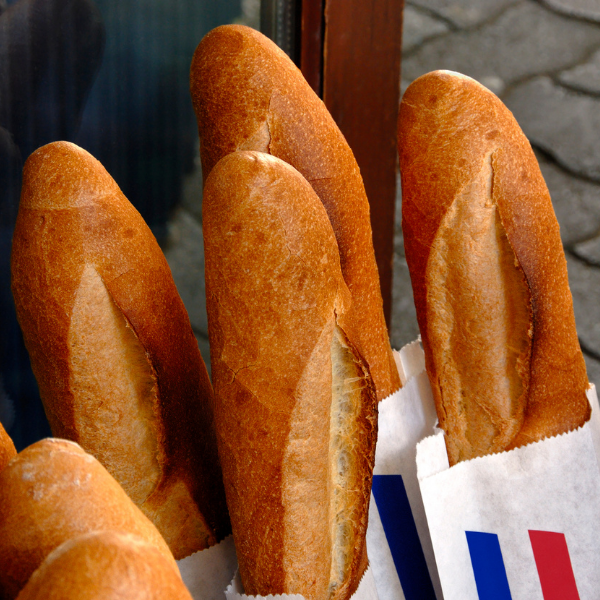
France got UNESCO recognition for… baguettes. And frankly, we support this. UNESCO added the artisanal know-how and culture surrounding the French baguette to its Intangible Cultural Heritage list in 2022. Traditional baguettes use just four basic ingredients: flour, water, salt, and leaven and/or yeast. (Intangible Cultural Heritage)
The United Kingdom
Explore UK student trips with ETA
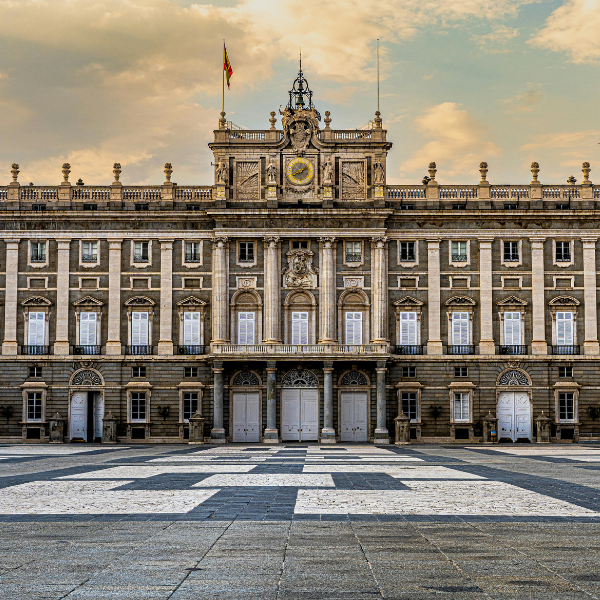
Big Ben is a bell. The famous Great Bell weighs 13.7 tonnes and is struck from the outside by a 200-kilogram hammer. The tower housing it is Elizabeth Tower, which means generations of tourists have been pointing at the tower and calling it by the bell’s nickname. (Parliament UK News)
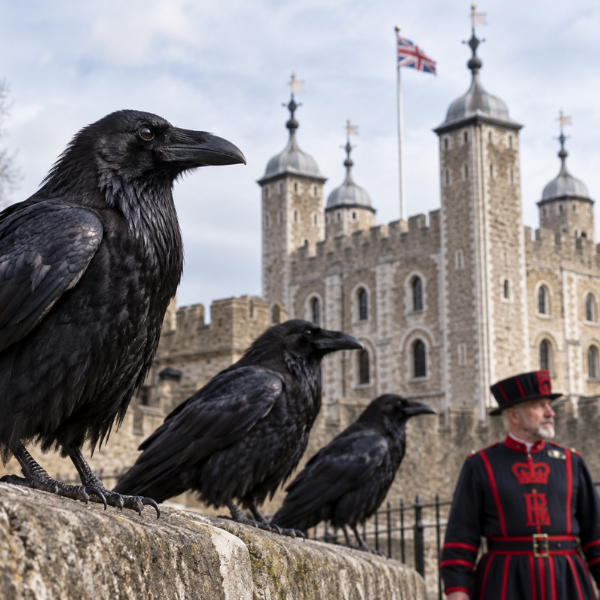
The Tower of London employs ravens. Kind of. According to legend, the kingdom and Tower will fall if its six resident ravens ever leave. The tradition is taken seriously enough that the Tower has a Ravenmaster responsible for their care. (Historic Royal Palaces)
Buckingham Palace has 775 rooms. That includes 19 State Rooms, 52 royal and guest bedrooms, 188 staff bedrooms, 92 offices, and 78 bathrooms. Anyone complaining about cleaning their bedroom may wish to reconsider. (The Royal Family)
Atlanta
Explore Atlanta student trips with ETA
You can see whale sharks here without leaving the United States. Georgia Aquarium is the only aquarium in the country where visitors can see whale sharks. Even cooler, each whale shark has a unique pattern of spots and stripes, much like a fingerprint. (Georgia Aquarium)
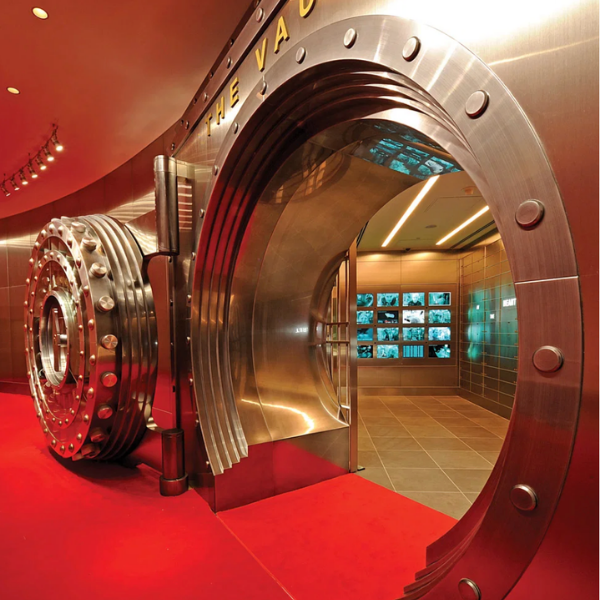
One of the world’s most famous secret recipes is locked in a vault downtown. The World of Coca-Cola displays the vault where the legendary Coca-Cola formula is secured. Visitors can get close to it. Reading the recipe? Nice try. (World of Coca-Cola)
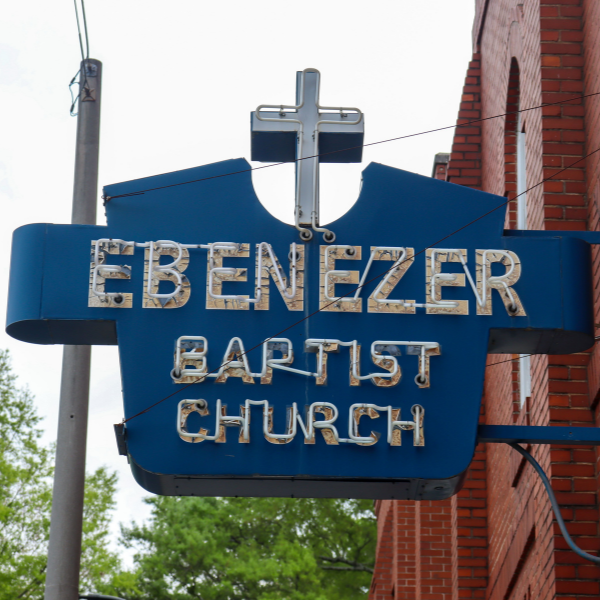
Martin Luther King Jr.’s childhood can be traced to a single Atlanta neighborhood. Dr. King was born at 501 Auburn Avenue in 1929 and lived in the home for the first 12 years of his life, just a short walk from Ebenezer Baptist Church. (National Park Service)
Dallas
Explore Dallas student trips with ETA
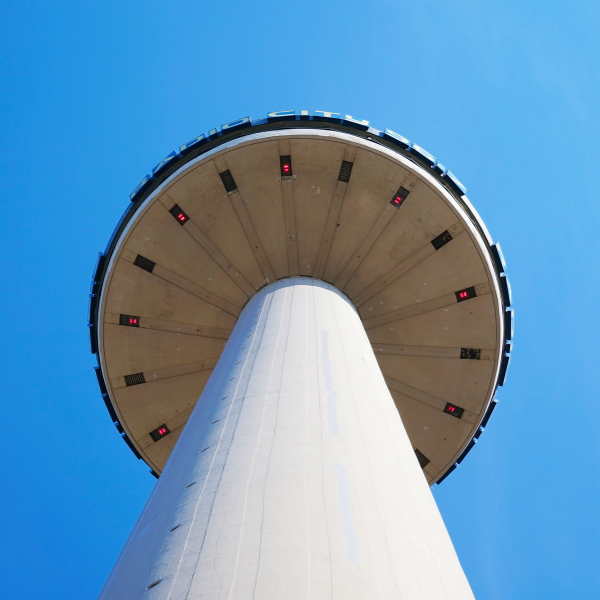

Reunion Tower’s elevator is a 65-second ride. The famous Dallas “Ball” is 561 feet tall, and its lights can be seen from more than 15 miles away on a clear night. (Visit Dallas)
Big Tex started life as Santa Claus. Before becoming the 55-foot cowboy who welcomes visitors to the State Fair of Texas, the giant figure was built as a Santa for the small Texas town of Kerens. That’s quite a career pivot. (Visit Dallas)
The corny dog is a State Fair legend. Brothers Neil and Carl Fletcher debuted their version at the State Fair of Texas in 1942. Today, hundreds of thousands are sold during a single fair season. Educational? Technically food history. We’re counting it. (Visit Dallas)
St. Augustine, Florida
Explore St. Augustine student trips with ETA
St. Augustine was here long before Jamestown or Plymouth. Founded in 1565, the city predates Jamestown by 42 years and the Pilgrims’ arrival at Plymouth Rock by 55 years. (City of St. Augustine)
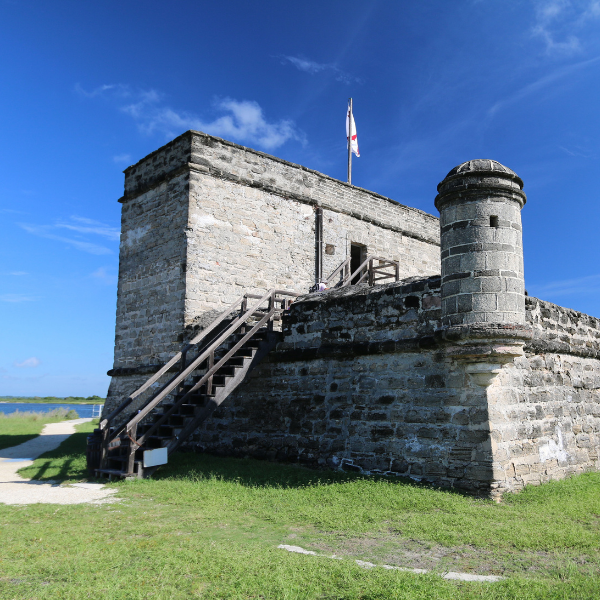
Its fort is made out of crushed seashells, and that’s part of what made it so tough. The walls of Castillo de San Marcos are built from coquina, a porous stone made largely from shell fragments. Instead of shattering when hit by cannonballs, the stone compressed and absorbed the impact, a little like firing a BB into Styrofoam. (National Park Service)
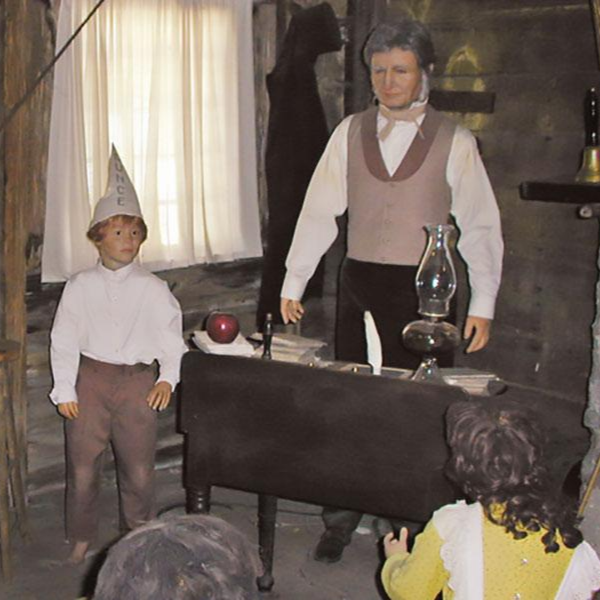
And yes, there’s a schoolhouse chained to the ground. A huge chain was wrapped around St. Augustine’s Oldest Wooden School House in 1937 to help keep the building in place during hurricane-force winds. If there’s a better way to get a middle schooler interested in historic preservation, we haven’t found it. (Visit St. Augustine)
The Best Facts Are the Ones You Get to Stand Next To
A strange little fact can make a student laugh. Seeing the place where it actually happened can make them curious.
That’s one of our favorite things about educational travel. History stops being a paragraph in a textbook. Science becomes something you can touch. Art is suddenly ten feet in front of you. And somewhere along the way, a student comes home knowing an oddly specific fact about ravens, molasses, or 2,000-pound bells that they will probably remember forever.
At Educational Travel Adventures, every trip is customized around your group, your students, and what you want them to experience. Whether that means exploring American history in Washington, D.C., walking through ancient Rome, or discovering that a Florida fort is basically made from seashells, we’ll help you build an adventure worth talking about long after everyone gets home.