

Three stops where an eerie setting opens the door to a much better history lesson.
October has a way of making an old building more interesting. Add a creaky door or a weathered headstone, and suddenly everyone has questions.
That curiosity is a useful starting point for a student trip. In Salem, Boston, and Philadelphia, places with spooky reputations offer real stories worth examining. Students can look at the evidence, question familiar versions of events, and consider the people who lived through them.
Salem and the problem with evidence
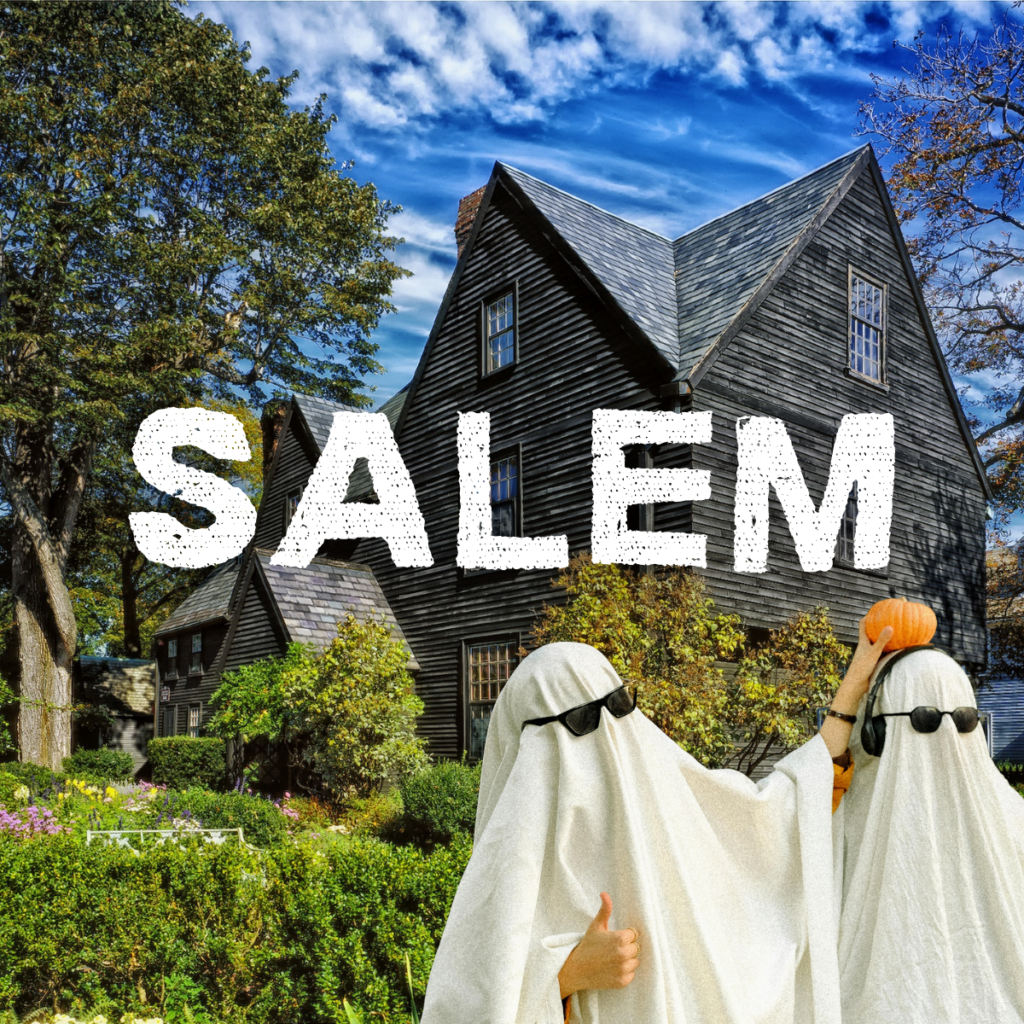

Salem’s history deserves a careful telling. During the 1692 witch trials, the court accepted “spectral evidence,” including claims that an accused person’s spirit had appeared to an accuser. The Massachusetts Archives’ trial records show how testimony that could not be meaningfully challenged helped secure convictions.
For students, that raises an unsettling question: how do you defend yourself against something nobody can prove happened?
A visit can prompt conversations about rumor, authority, and the responsibility to question an accusation. Ask students to compare a historical document with a popular retelling. What changed? Whose perspective is missing?
ETA’s Boston and Salem student travel options offer a starting point for connecting this history with a broader New England trip. Give students context before they arrive, and keep the real people affected by the trials at the center of the discussion.
Boston and the meaning behind the skulls

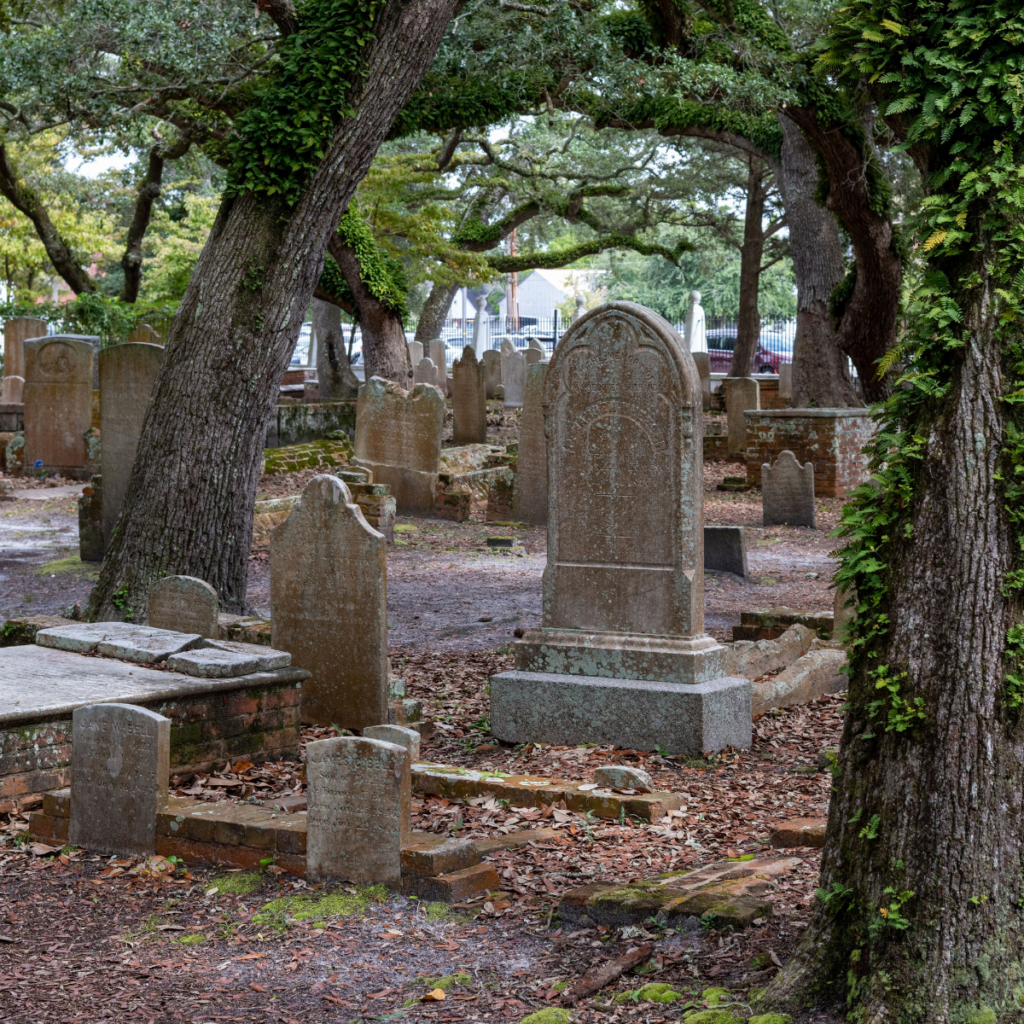
At Granary Burying Ground, students can spot winged skulls carved into old gravestones. According to the Freedom Trail Foundation, these images represented the soul’s flight to heaven. They expressed beliefs about death and the afterlife.
That makes the burial ground an outdoor lesson in visual literacy. What might a symbol mean to the person who carved it? Would someone looking at it today reach the same conclusion?
Students can sketch a detail, record an inscription, or compare two markers while respecting the site. It is a thoughtful addition to a Boston history itinerary, especially for groups studying early America or art.
Philadelphia and a troubling experiment

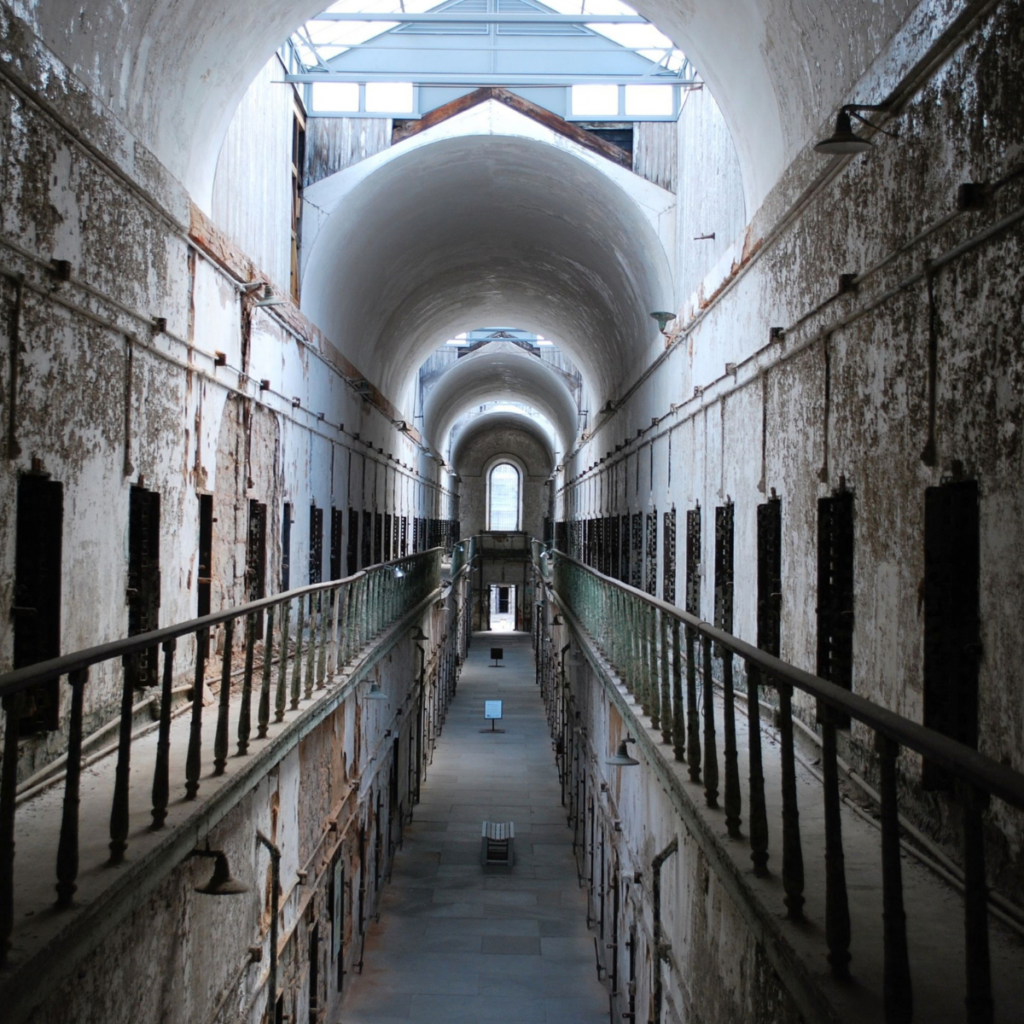
Eastern State Penitentiary admitted its first prisoner in 1829. Its early system relied on isolation and labor to encourage penitence. The approach drew criticism, including from Charles Dickens after his 1842 visit. Eastern State’s history explains the ideas behind the prison and how its practices changed.
For older students, the site raises questions about punishment, reform, and how architecture can enforce an idea. A daytime history visit can give those conversations room to develop.
Explore ETA’s Philadelphia educational tours to see how the city’s historic sites can fit your curriculum.
Bring a good question
A useful prompt for all three stops: what evidence supports the story we are being told?
That question can travel home with students, long after the Halloween decorations come down.
Talk with ETA about a history trip built around your students’ interests and grade level.