
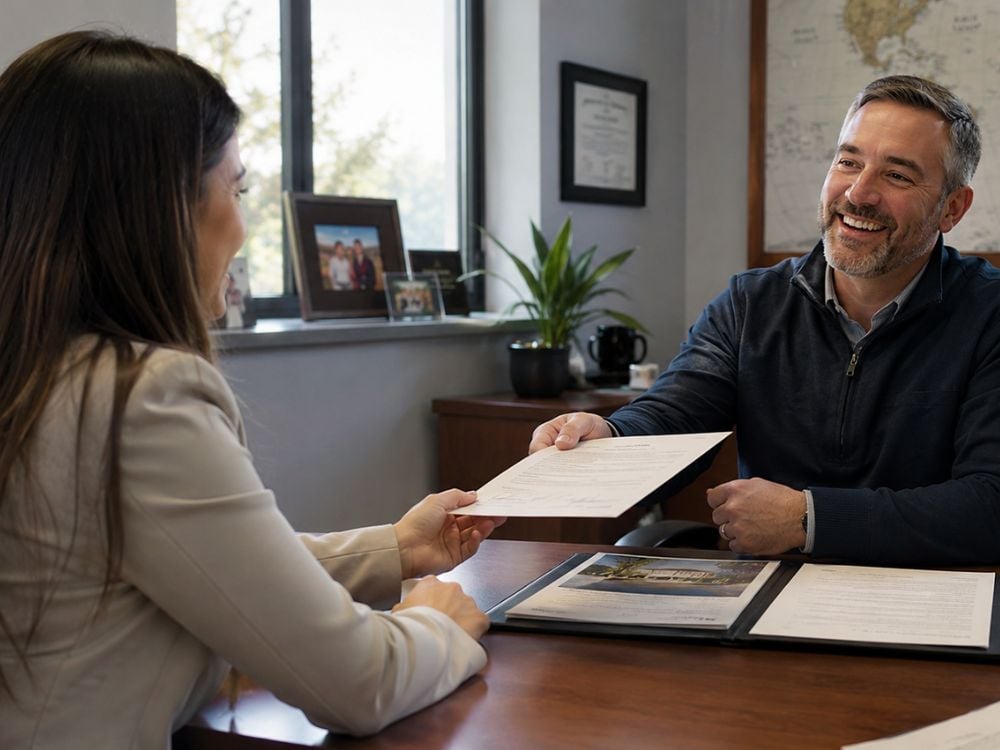
Student Travel Admin Approval Guide
How to Get Your Educational Trip Approved
A Teacher’s Guide to Pitching Administration
You’ve found the perfect trip. You can already picture your students standing at the foot of the Lincoln Memorial, or navigating the hanging bridges in Costa Rica, or finally hearing a language they’ve been studying come alive around them. You know this experience will do something no worksheet ever could.
Now you have to convince your principal or administration.
This guide gives you a step-by-step framework for making that case, including the points that are most likely to resonate, what to put in a formal proposal, and ready-to-use scripts you can adapt for your specific situation.

Where to start
Understand Who You’re Really Pitching
The Principal is most often worried about liability, disruption to the school schedule, parent complaints, and whether this will create additional administrative headaches for them. They want to know: Is this safe? Is it manageable? Will I hear about problems?
The Curriculum Director or Department Head wants to know the educational value is real, not just a fun trip with some history sprinkled in. They’re thinking about learning standards, outcomes, and whether this justifies pulling students from other classes.
The Superintendent or School Board is thinking about optics, equity, and budget. They want to know: Will this look good for the district? Is the opportunity accessible for all students? Does it represent responsible use of school resources?
Tailor your pitch to whoever is sitting across from you.
The Most Effective Ways to Make Your Case:

1. Curriculum Alignment
Be Specific, Not General
“This trip connects to what we’re learning in class” isn’t enough. Administrators have heard vague justifications before and are rightfully skeptical of them. What works is specificity.
Link each major stop or activity on the itinerary to a concrete learning standard or unit objective. If you’re taking students to Washington D.C., instead of saying it connects to your civics unit. Instead say that visiting the Capitol connects to your district’s 8th-grade standard on the structure of the federal government, that the National Archives experience directly reinforces your primary source analysis unit, and that the Holocaust Museum aligns with your World History curriculum’s unit on genocide and human rights.
The more specific you are, the more your trip becomes a learning experience rather than a vacation.

2. Research Outcomes
Instinctively we know that travel is valuable, but feelings don’t make a good case. A growing body of research shows that well-designed educational travel produces measurable outcomes, and you can cite it.
Key findings to reference:
Forbes has published has some incredible findings from a recent Student Youth and Travel Foundation:
- 74% of the educators polled believe travel helps students’ personal development
- Nearly 80% of the teachers in the study said that travel is an “extremely effective” teaching resource compared to computer-based learning alone
- 56 % believe travel has a positive impact on students’ education and careers
- The study also found that students who travel have an increased desire to attend college.
- AND, students who take a student trip on average earn 12% more throughout their lives than those who never traveled
No need to cite every paper. Two or three strong data points, delivered with confidence, signal that you’ve done your homework.

3. Safety & Professional Management
Remove Their Biggest Fear
Liability is the issue most administrators won’t say out loud, but it’s often the real reason trips get denied. We recommend you address it head on.
Come prepared to explain, in plain terms, exactly how the trip is managed, who is responsible for what, and what happens if something goes wrong. If you’re working with a professional tour operator, this is where their expertise is vital and can calm your audience.
Points to cover:
- The tour operator’s safety protocols and emergency procedures
- 24/7 support availability
- Insurance coverage (ask your operator for documentation)
- Medical and dietary accommodation processes
- Chaperone ratios
- What happens if it’s not possible to take the trip (e.g. inclement weather, political unrest, etc.)
Framing this proactively tells your administrator: I’ve already thought about what you’re worried about.

4. Accessibility & Economic Inclusivity
Address It Before They Do
One of the most common reasons administrators hesitate on school trips, especially international ones, is economic. If some students can’t afford to go, is it right to offer the trip at all?
This is a legitimate concern and deserves a real answer, not deflection.
Come prepared with:
- The payment plan structure (monthly installments are dramatically more accessible than lump sums)
- Any scholarship or financial assistance options your school or educational travel company offers
- Your plan for proactively communicating financial help to families who may need it, without singling anyone out
- Whether the trip is open to all students or a target group and why
- Your plan for a fundraising program and timelines. Get student trip fundraising ideas here.
Another common question is, will there be accommodations for students with disabilities? If you are working with a respected travel operator, they will have a detailed guide on how accessibility is managed throughout the trip. Different accommodations will be needed based on your destination. Come to the meeting prepared to discuss these solutions in detail.
When you show that you’ve thought about access, you demonstrate that this trip is consistent with the school’s values rather than in tension with them.

5. How this Trip Benefits the School:
Think Beyond Your Classroom
Administrators are responsible for the whole school, not just your class. Help them see what this trip does for the broader community.
- Travel raises the profile of your department and program
- Trips can serve as a recruitment and retention tool, since families choose schools partly based on the opportunities they offer
- New experiences build student leadership and independence in ways that reflect well on the school culture
- Excitement about the trip can be a positive news story for the district
These talking points are especially effective if you’re approaching a principal who cares about school culture and reputation, or a superintendent who is conscious of how the district is perceived.
Next: Building a Formal Proposal
For trips that require written approval, especially international travel, a one-page proposal goes a long way. Here’s what to include:
- Trip overview: Destination, dates, grade level, estimated number of students
- Educational objectives: Specific learning goals tied to curriculum standards
- Itinerary summary: A brief description of major activities and their educational purpose
- Tour operator information: Who is running the trip, how long they’ve been in business, and their safety credentials
- Cost and payment structure: Total cost per student, payment plan options, and financial assistance availability
- Chaperone plan: Who will accompany students and at what ratio
- Parent communication plan: How and when you’ll communicate with families
Keep it to one page if possible. Administrators are busy. A clean, organized proposal signals that you’re organized and trustworthy.
Scripts You Can Use

First Approach
Email to Your Principal
Hi [Principal’s name],
I’d love to find a few minutes to talk with you about a potential educational trip I’m planning for [semester/year]. I’ve been looking at an opportunity to take [grade level] students to [destination], and I think it could be a meaningful extension of our [subject] curriculum, particularly our unit on [specific topic].
I’ve already connected with a professional tour operator and have information on itinerary, costs, safety protocols, and logistics whenever you’re ready. Would you have 15-20 minutes this week or next to discuss?
Thanks so much,
[Your name]

Discuss in person
Talking Points for the
In-Person Meeting
Print these and bring them. You don’t need to memorize them.
- “Every stop on the itinerary links directly to a learning standard. I can walk you through the curriculum alignment document I put together.”
- “The trip is managed end-to-end by [operator name], who has been running student tours for [X] years. They have 24/7 emergency support and full insurance documentation.”
- “The payment plan is structured so families can pay monthly, and there are financial assistance options for families who need them. I want this to be accessible for everyone.”
- “I’ve talked to other teachers who’ve done this trip. Here’s what they said about the student experience.” (Testimonials from colleagues are powerful.)
- “I’m happy to handle all parent communication and logistics. I’m not asking you to manage this. I’m asking for your support.”
Handling Objections

The “Is This Really Educational?” Objection
One of the most common questions from administrators is whether a trip provides measurable educational value. Before sharing your proposal, be prepared to explain how the experience supports classroom learning, reinforces curriculum objectives, and creates opportunities that simply can’t be replicated on campus.
Sample response:
“I put together a document that links each day of the itinerary to specific learning standards for [grade level]. For example, [specific activity] directly connects to our [unit name], and it’s something we’ve been working toward in the classroom. This gives students the chance to experience it in real life. Research consistently shows that students retain material significantly better when they learn it through direct experience. This isn’t a reward trip. It’s a learning experience we’re bringing outside the building.”

The Fairness Objection
Administrators also want confidence that the opportunity is accessible to as many students as possible. Be ready to discuss your fundraising plan, flexible payment options, and the resources available to help families participate.
Sample response:
“That’s something I’ve thought hard about. The payment plan is structured so families can spread the cost over [X] months, which makes it genuinely accessible for most families. We also have financial assistance options for families who need additional support, and I plan to communicate that proactively and privately so no student feels singled out. My goal is for every student who wants to go to be able to go.”
A Few Final Tips
Ask early. The earlier you start the conversation, the easier it is. An ask in September for a spring trip feels manageable. An ask in February feels rushed and risky.
Bring a colleague. If another teacher has done a similar trip, or wants to co-lead this one, having a second voice in the room adds credibility and reduces the perceived burden on the administrator.
Follow up in writing. After any verbal conversation, send a short email summarizing what was discussed and what the next step is. This keeps momentum and creates a paper trail that protects you.
Make it easy to say yes. The goal of every conversation and document is to reduce the perceived risk and effort for your administrator. The less work it feels like for them, the more likely they are to approve it.
The Bottom Line
Administrators don’t usually say no because they don’t believe in educational travel. They say no because they’re worried about liability, economic concerns they haven’t voiced, or the time and effort required to manage parent expectations. As the group leader, your job is to come to the meeting prepared to remove those obstacles so “yes” is the only logical answer.
Explore ETA’s Other Teacher Resources & Planning Tools
Additional teacher resources to support every stage of planning your student trip, from fundraising and promotion to safety and logistics. These tools help make your school trip a success.

Student Travel FAQ
Get clear answers to common questions about registration, payments, itineraries, accommodations, and more.

Our Trip Planning Process
See the step-by-step timeline for planning your student trip, including key milestones and who’s responsible at each stage.

Fundraising Guide
Access creative fundraising ideas, templates, and planning tips to help every student take part in the travel experience.

Trip Promotion 101
Discover tips and tools to help you promote your trip, build excitement, and boost student participation.

ETA Trip Portal
Easily manage manifests, payments, forms, deadlines, and updates in one secure dashboard to streamline trip planning.

Focus on Safety
Discover how ETA’s safety standards and planning help protect students and support teachers throughout each trip.

Student Code of Conduct
Set clear expectations before your trip. This resource helps you introduce guidelines for respectful, responsible travel behavior.

Student Packing List
Review and download a packing list to help students stay organized and ready for travel day.