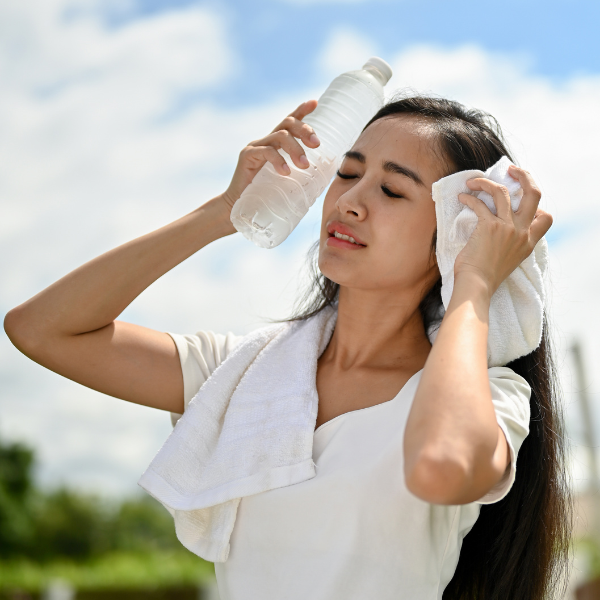
Summer travel has always come with a little heat. In 2026, however, travelers in many parts of the world are packing more than sunscreen and comfortable shoes. Refillable water bottles, portable fans, cooling towels, and carefully timed itineraries have become essential travel gear.
As of mid-July, the full summer picture is still developing, but the early data is striking. June 2026 was the second-warmest June ever recorded globally, measuring 1.09°C (1.96°F) above the 20th-century average. Western Europe experienced its warmest June on record, while Europe as a whole recorded its second warmest. Ocean temperatures outside the polar regions were also the highest ever measured for the month of June.
The result has been a summer travel season that is still exciting and busy, but increasingly shaped by flexibility, preparation and a healthy respect for the forecast.
When the Forecast Changes the Itinerary
The most visible travel disruptions so far have occurred across Europe. During June’s intense heatwave, temperatures reached or exceeded 104°F in parts of France, Spain and Central Europe. Records were broken in countries not traditionally associated with extreme summer heat, including Denmark, Switzerland and the Czech Republic.
The heat affected much more than personal comfort. France canceled some trains, concerts and sporting events. Outdoor cultural and athletic activities were suspended in parts of Spain. In Germany, sections of highway were damaged by the heat, and rail operators advised travelers to avoid nonessential journeys during the worst conditions. Tourist destinations including Venice, Florence, Milan and Rome were placed under red heat alerts.
That does not mean summer travel has stopped. Far from it. Before the season began, the European Travel Commission reported that 82% of Europeans planned to travel between April and September 2026, the highest level recorded since its survey began in 2020. Travelers were simply becoming more cautious, choosing shorter trips, watching their budgets and building more flexibility into their plans.
For tour operators, attractions and group leaders, weather is no longer something to check once while packing. It has become part of daily trip management.
The New Rhythm of a Summer Travel Day
One of the simplest ways travelers are adapting is by changing the clock.
Walking tours, outdoor attractions and physically demanding activities are increasingly better suited to the morning, before the day reaches its highest temperature. Afternoons can be reserved for museums, performances, workshops, restaurants and other air-conditioned spaces. Evening activities offer another opportunity to explore once temperatures begin to fall.
This approach is not just more comfortable. The Centers for Disease Control and Prevention recommends planning outdoor activities during cooler parts of the day, resting frequently and spending as much time as possible in the shade.
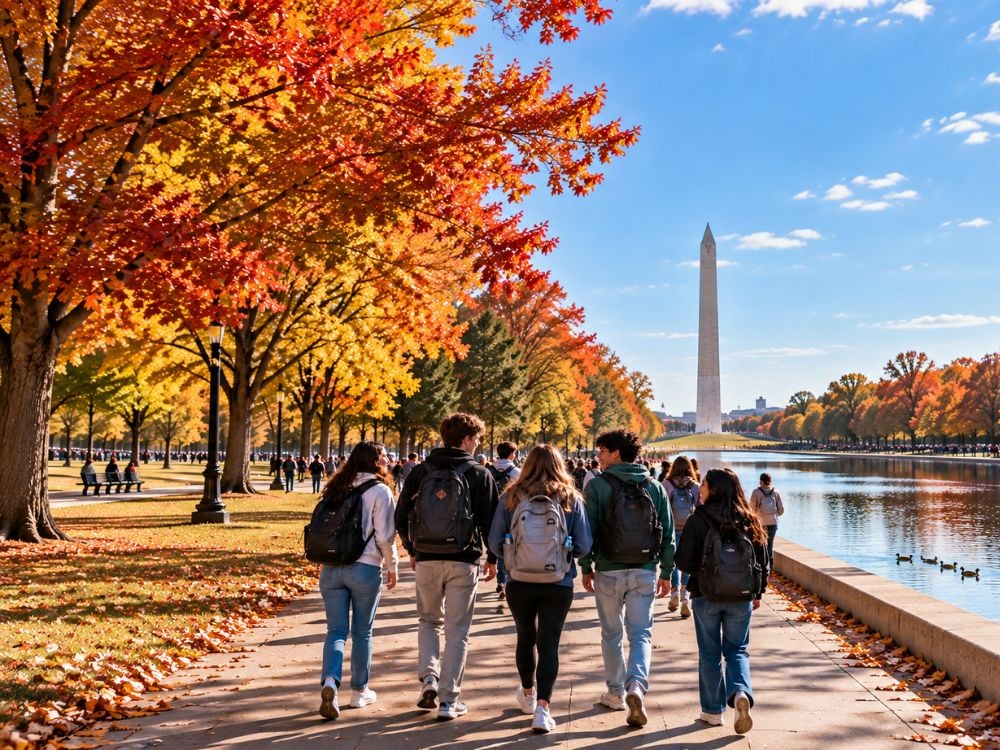
For student groups, this may mean seeing a major monument at 8:30 a.m. instead of noon, spending the hottest part of the afternoon inside a museum and returning outdoors for an evening river cruise or neighborhood walk.
The itinerary may look a little different, but the experience does not have to feel smaller. In many cases, spreading activities across the cooler parts of the day creates a more relaxed and enjoyable pace.
How Cities and Attractions Are Helping Visitors Stay Cool
Travel destinations are adapting, too.
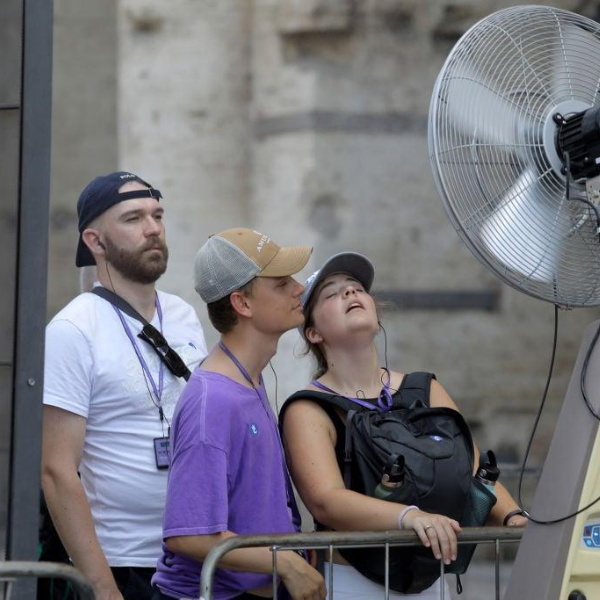
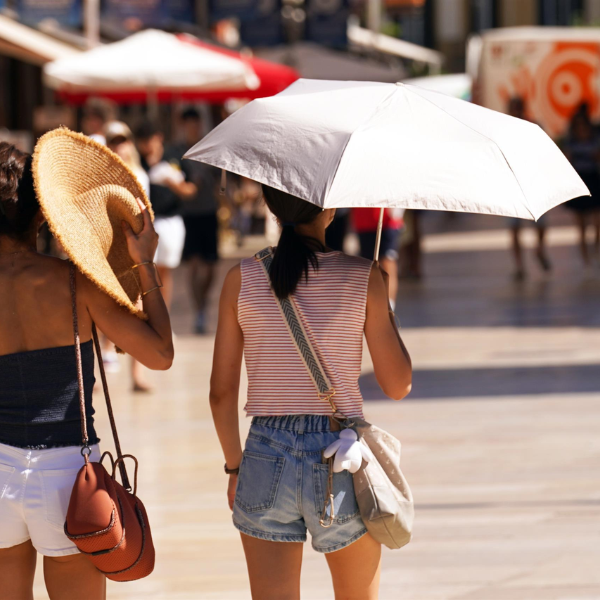
During the June heatwave, the Eiffel Tower and other locations in Paris installed misting stations for visitors. Travelers across European cities lined up at public water fountains, carried parasols and portable fans, and took longer breaks in shaded areas.
These responses point toward changes travelers may see more often in the future:
- More refill stations and public drinking fountains
- Shaded waiting and gathering areas
- Misting fans at outdoor attractions
- Earlier or later operating hours
- Weather-related adjustments to tours and events
- More clearly marked indoor cooling spaces
- Greater flexibility in cancellation and rebooking policies
Some of these changes are temporary responses to a heat alert. Others may become permanent parts of tourism infrastructure as destinations prepare for warmer conditions.
The World Health Organization emphasizes that many of the health effects associated with heat are predictable and preventable. Heat action plans, early warning systems and access to cooler spaces can make a significant difference.
Are Travelers Choosing Cooler Destinations?
There are signs that heat is beginning to influence not only how people travel, but also when and where they go.
The European Travel Commission has reported growing interest in destinations with cooler climates. Tourism organizations are also paying closer attention to travel outside the traditional July and August peak, especially in spring and fall. Southern and Mediterranean destinations remain popular, but travelers have more reason to consider coastal areas, mountain regions and northern destinations when planning summer trips.
You may hear the word “coolcation” used for vacations planned around milder weather. The name is trendy, but the idea is practical: choose a destination where outdoor exploration is more comfortable, or visit a traditionally hot destination during a cooler month.
For educational travel, shoulder-season trips can offer several advantages beyond temperature. Groups may encounter smaller crowds, more manageable walking conditions and a less hectic experience at major attractions.
That does not mean destinations such as Rome, Madrid or Washington, D.C., are disappearing from summer itineraries. It means planners need to think more carefully about timing, pacing, transportation and indoor alternatives.
The Student-Travel Version of “Be Prepared”
Traveling with a group requires a little more planning than traveling alone, particularly when temperatures climb.
A strong hot-weather itinerary should include regular water stops, indoor breaks and backup activities. Group leaders should also know which travelers may need additional support. Children, older adults and people with certain chronic health conditions can become ill more quickly in high temperatures, although heat illness can affect anyone.
Communication matters, too. A group should know at the beginning of each day:
- When and where water will be available
- Which portions of the day involve extended walking
- Where the group can cool down
- What symptoms should be reported immediately
- How plans may change if a heat warning is issued
The goal is not to make travelers nervous. It is to make looking after one another part of the plan.
Expert Tips for Staying Cool While Traveling

Know the warning signs
Heavy sweating, headache, dizziness, nausea, unusual thirst and confusion can be signs of heat exhaustion. Anyone experiencing these symptoms should be moved out of the sun and cooled down. Heat stroke is a medical emergency and may involve loss of consciousness, very hot skin or a rapidly rising body temperature. Seek emergency help immediately.

Keep the itinerary flexible
A missed outdoor photo stop is better than pushing a group through unsafe conditions. Move strenuous activities, swap the order of attractions or use an indoor backup when necessary.

Check official alerts every morning
Look at the destination’s official weather service, heat warnings and attraction notices before leaving the hotel. Conditions and operating hours can change quickly.

Build in real cooling breaks
Standing in the shade for two minutes is not always enough. During intense heat, schedule time in an air-conditioned museum, café, hotel lobby, visitor center or other indoor space.

Treat sunscreen as a schedule
The CDC recommends sunscreen with an SPF of at least 15 and advises reapplying every two hours, or according to the product’s directions. Travelers may want a higher SPF for long days outside.

Dress for the forecast, not the photo
Loose, lightweight and light-colored clothing allows the body to release heat more effectively. A hat and sunglasses provide additional protection during outdoor activities.

Start hydrating before you feel thirsty
Carry a refillable bottle and drink regularly throughout the day. The CDC recommends plenty of nonalcoholic fluids during hot-weather travel. Alcohol can contribute to dehydration, so it should not replace water.