
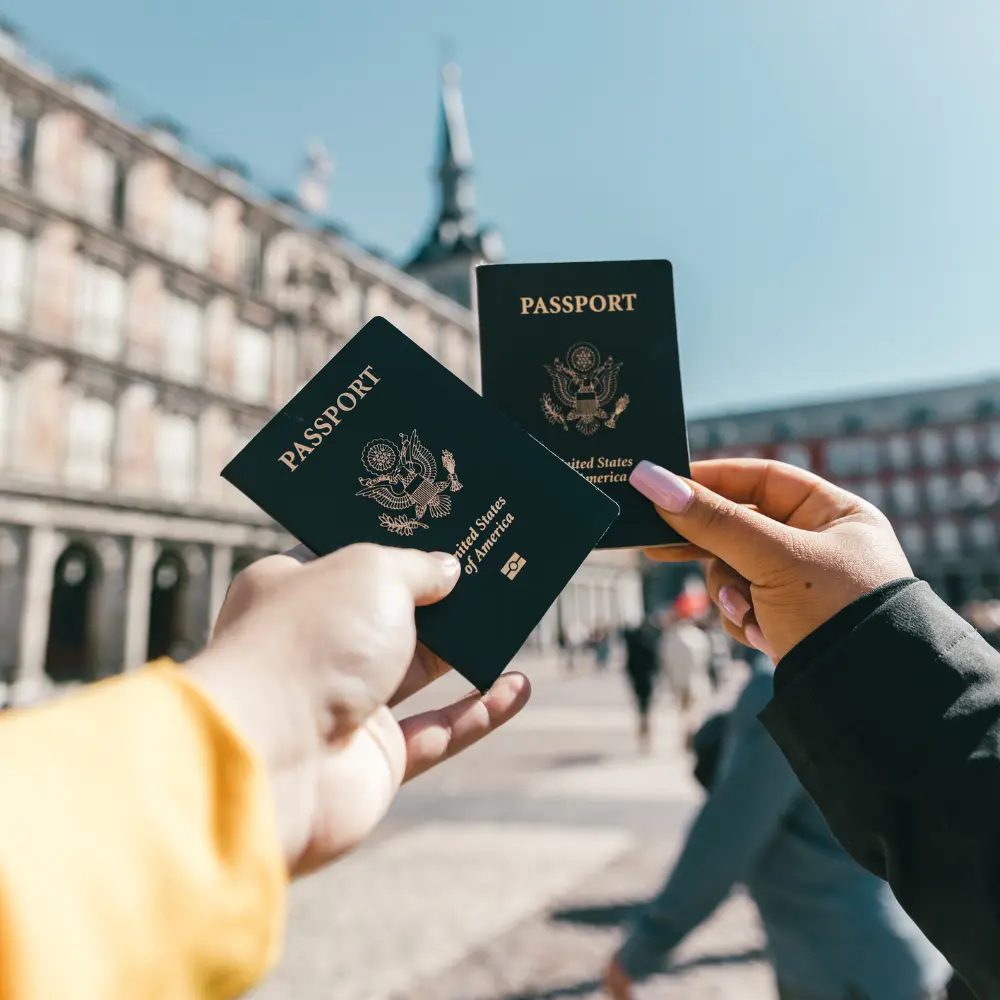
Traveling to Europe is becoming a little more digital. Many European countries are now using updated border systems that electronically record when non-EU travelers enter and exit, replacing the traditional passport stamp process.
For student groups, this does not mean passports are going away. Travelers should still bring a valid physical passport and follow all entry requirements for the countries they are visiting. The difference is that border checks may now include digital registration, biometric information, and electronic tracking of allowed travel days.
Another change to watch is ETIAS, a new travel authorization expected to begin in late 2026 for many visa-exempt travelers visiting Europe for short stays. Once active, eligible travelers will need to apply online before departure.
For now, the best advice is simple: make sure every traveler’s passport is valid, check destination requirements before the trip, and leave extra time at the airport or border crossings as new systems continue to roll out.