A Powerful Year to Learn, Reflect, and Travel
In 2026, student travel will be especially meaningful. As the country marks America’s 250th anniversary, students are not only looking back at the founding of the nation; they are also being invited to examine the long, unfinished story of freedom, equality, justice, and civic responsibility.
For educators planning a history, social studies, leadership, or civics-focused trip, a Civil Rights tour offers one of the most powerful learning experiences available. These trips move beyond textbooks and bring students face-to-face with the places where ordinary people made extraordinary change.
And in 2026, two major moments make these journeys even more timely: Juneteenth 2026 and the opening of the Obama Presidential Center in Chicago.
Why 2026 Is an Important Year for Civil Rights Travel
Civil Rights travel gives students a deeper understanding of American history by connecting national ideals with real people, real places, and real struggles.
Students can stand where Dr. Martin Luther King Jr. preached, walk across the Edmund Pettus Bridge, visit the museums that preserve the stories of the Montgomery Bus Boycott, and reflect at memorials dedicated to victims of racial terror and injustice.
These are not just stops on a map. They are living classrooms.
In 2026, these experiences take on even more meaning. As the country reflects on 250 years of American history, students can ask important questions:
What does freedom mean?
Who has had access to liberty and justice?
How have young people shaped history?
What responsibilities do citizens have today?
A Civil Rights student trip helps students understand that history is not distant. It is present, personal, and still shaping the world they live in.
Juneteenth: A Meaningful Moment for Student Groups
Juneteenth is observed on June 19 and commemorates the day in 1865 when enslaved people in Galveston, Texas, learned they were free. Today, Juneteenth is a time to honor African American history, resilience, culture, and the continuing pursuit of equality.
For student travelers, Juneteenth offers an opportunity to connect the history of emancipation with the later struggle for civil rights. A trip built around Juneteenth can help students understand that freedom did not arrive all at once and that generations of activists, organizers, teachers, students, clergy members, and community leaders continued the work of justice long after 1865.
A Juneteenth-focused educational trip may include discussions about slavery, Reconstruction, segregation, voting rights, protest movements, and modern conversations about equality and citizenship.
Atlanta: The Birthplace of a Dream
Atlanta is one of the most important cities in the story of the Civil Rights Movement and a meaningful starting point for student groups.
Students can visit the Martin Luther King Jr. National Historical Park, where they can learn about Dr. King’s childhood, his ministry, and the early influences that shaped his life. A visit to The King Center helps students explore his philosophy of nonviolence and his global legacy.
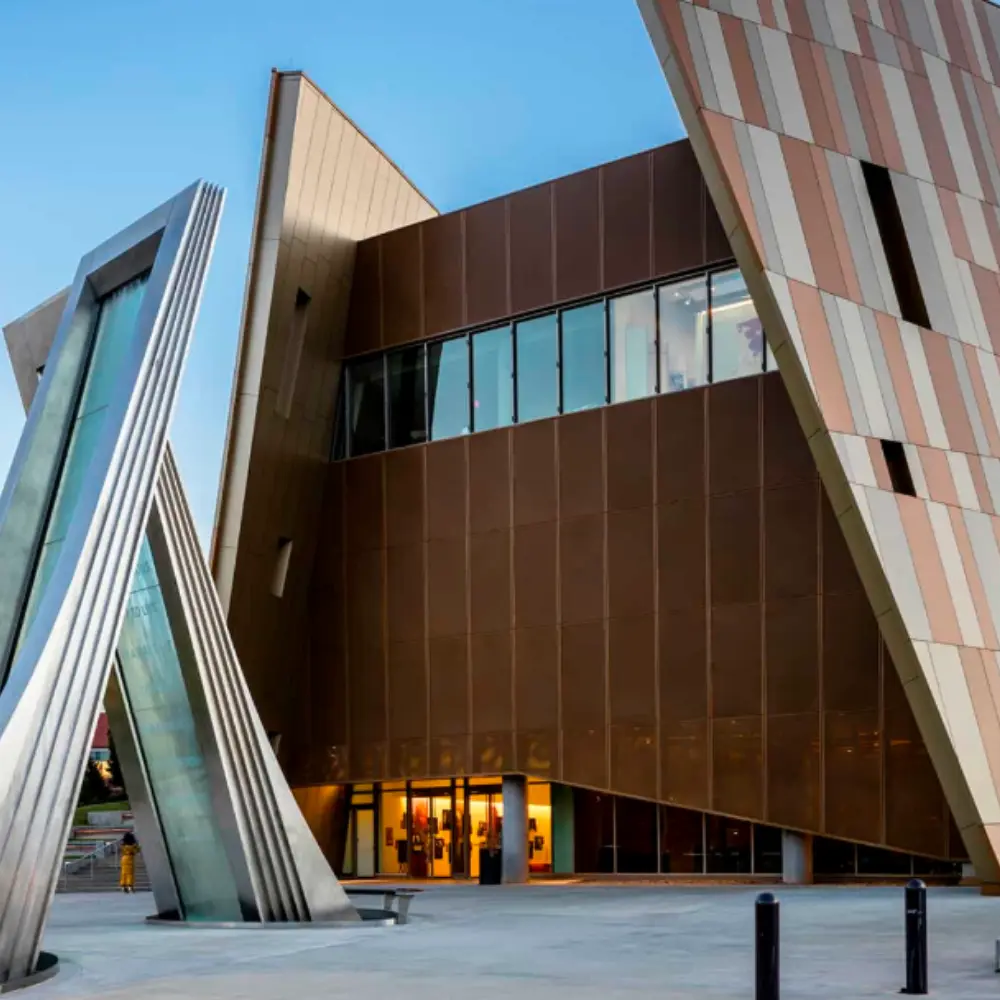
Groups may also visit the National Center for Civil and Human Rights, which connects the American Civil Rights Movement to broader human rights struggles around the world. This is especially valuable for students because it helps them see civil rights not as a single chapter in American history, but as part of a larger global conversation about dignity and justice.
Educational themes: Civil rights leadership, nonviolent protest, human rights, Black history, civic engagement
Birmingham: The Battleground for Justice
Birmingham played a central role in the Civil Rights Movement and remains one of the most powerful cities for student reflection.
At the Birmingham Civil Rights Institute, students can learn about segregation, protest, resistance, and the courage of activists who challenged injustice. Nearby Kelly Ingram Park features sculptures that help students visualize the intensity of the movement, including the Children’s Crusade and the violent response faced by young demonstrators.
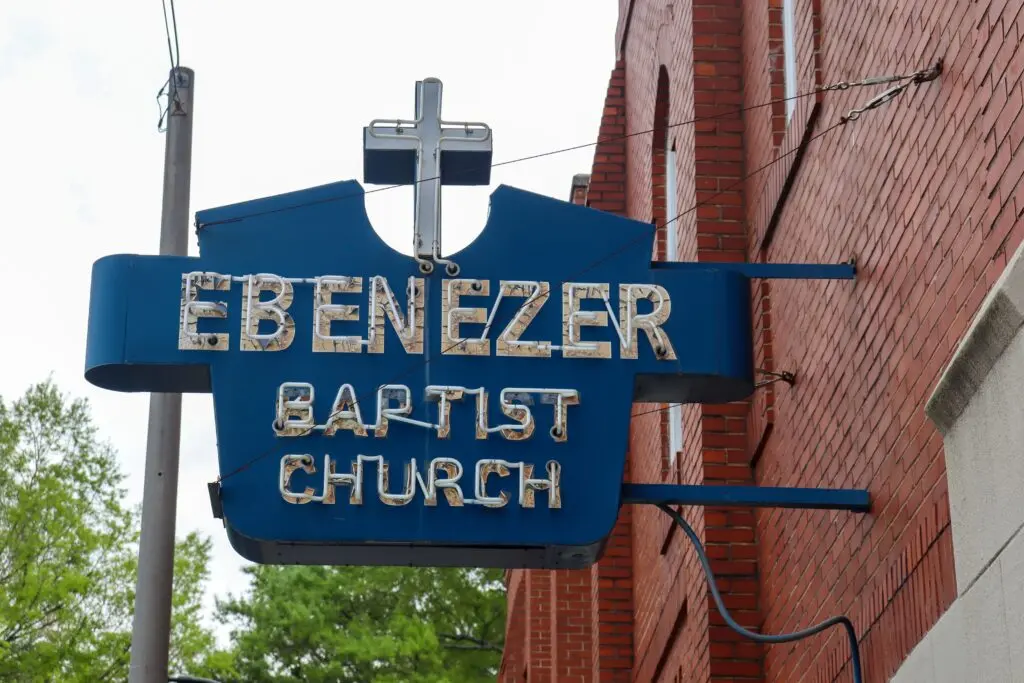
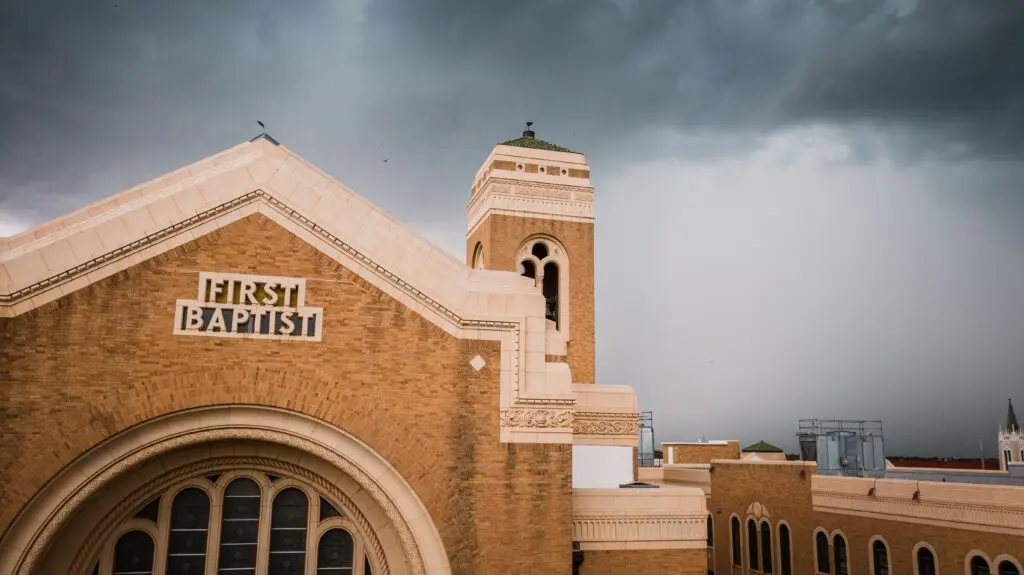
A stop at 16th Street Baptist Church introduces students to one of the most painful and important moments of the Civil Rights era. The 1963 bombing that killed four young girls became a national turning point and helped push the country toward stronger civil rights protections.
For students, Birmingham is a place to understand both the brutality of injustice and the bravery of those who stood against it.
Educational themes: Segregation, youth activism, protest movements, moral courage, social change
Selma: Walking the Path of Voting Rights
Few places help students understand the fight for voting rights more clearly than Selma, Alabama.
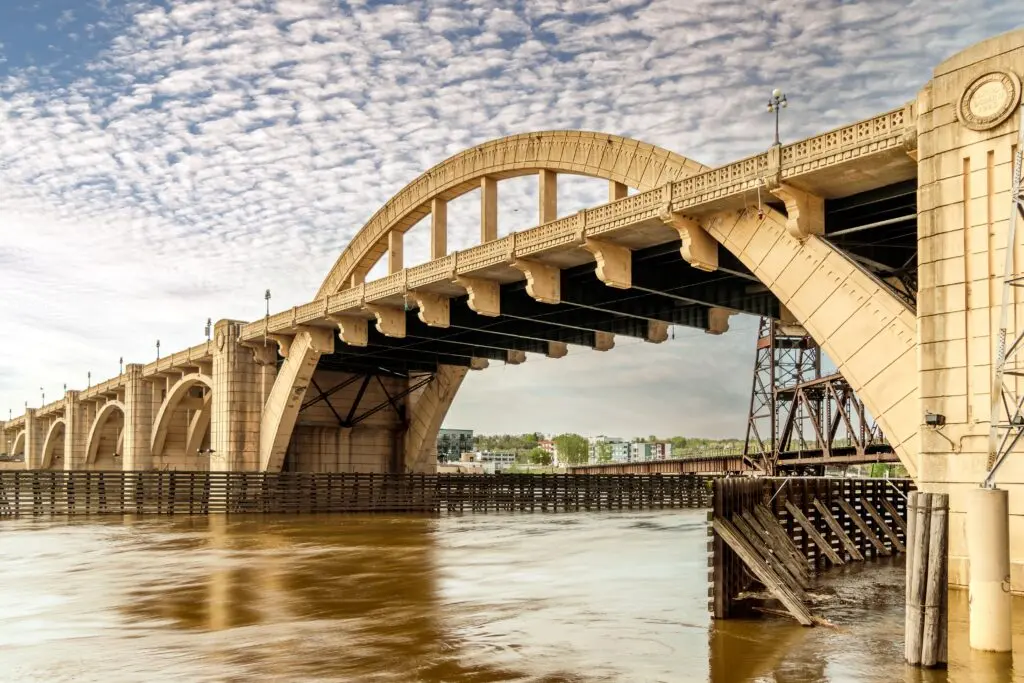
Students can visit the Selma Interpretive Center, take a guided tour of the city, and walk across the Edmund Pettus Bridge, the site of “Bloody Sunday” in 1965. This experience helps students understand the risks activists took to secure voting rights and the national impact of the Selma-to-Montgomery marches.
A visit to Selma encourages students to think about democracy in a personal way. Voting rights are not abstract when students stand in the place where marchers were beaten for demanding access to the ballot.
Educational themes: Voting rights, democracy, protest, citizenship, civic responsibility
Montgomery: Rosa Parks, Dr. King, and the Legacy of Justice
Montgomery is another essential Civil Rights destination for student groups.
At the Rosa Parks Museum and Children’s Wing, students can learn about the Montgomery Bus Boycott and the power of organized community action. The story of Rosa Parks is often introduced in classrooms, but visiting Montgomery helps students understand the larger network of people, strategy, sacrifice, and leadership behind the movement.
The Dexter Avenue King Memorial Baptist Church offers students the chance to see where Dr. King served as pastor and helped organize the bus boycott. A visit to the Dexter Parsonage Museum brings students closer to the daily life of Dr. King and his family during a defining period in American history.
Montgomery also offers deeply moving visits to the Legacy Museum, the National Memorial for Peace and Justice, and Freedom Monument Sculpture Park. These sites help students examine the history of slavery, racial terror, mass incarceration, and the long struggle for truth and reconciliation.
Educational themes: Bus boycott, leadership, slavery and its legacy, racial justice, remembrance
Memphis: The Cost of the Dream
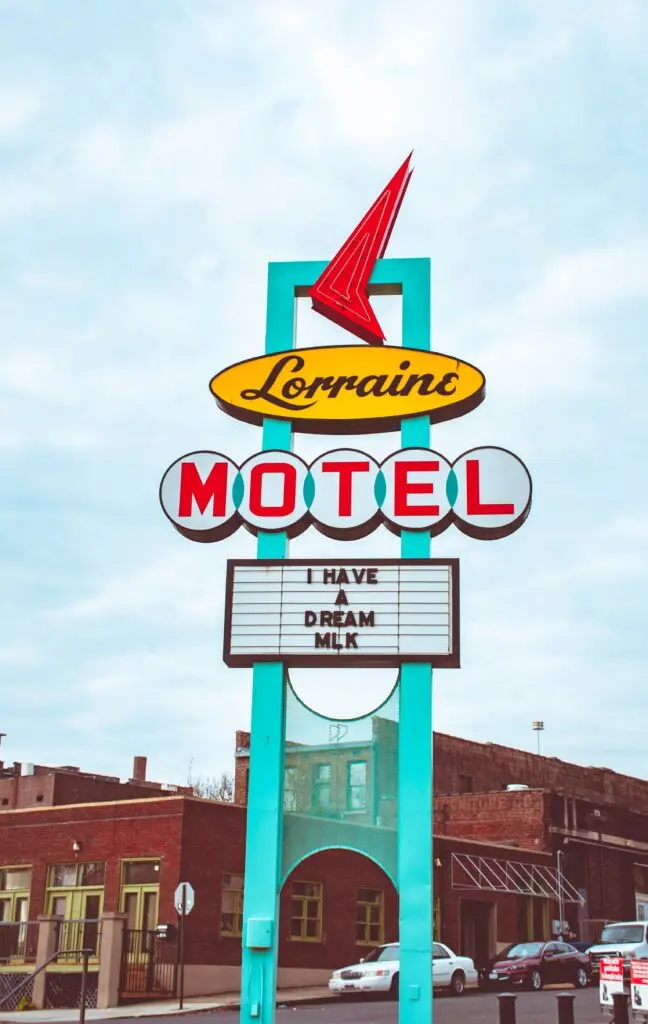
Memphis holds a significant place in the Civil Rights story as the city where Dr. Martin Luther King Jr. was assassinated in 1968 while supporting striking sanitation workers.
A visit to the National Civil Rights Museum at the Lorraine Motel allows students to trace the history of civil rights from slavery through the modern movement. The museum’s location gives the experience emotional weight, helping students understand both the progress made and the sacrifices required.
Memphis is especially meaningful for discussions about economic justice, labor rights, poverty, and the later years of Dr. King’s work.
Educational themes: Dr. King’s legacy, labor rights, economic justice, sacrifice, modern civil rights history
Washington, D.C.: Civil Rights on the National Stage
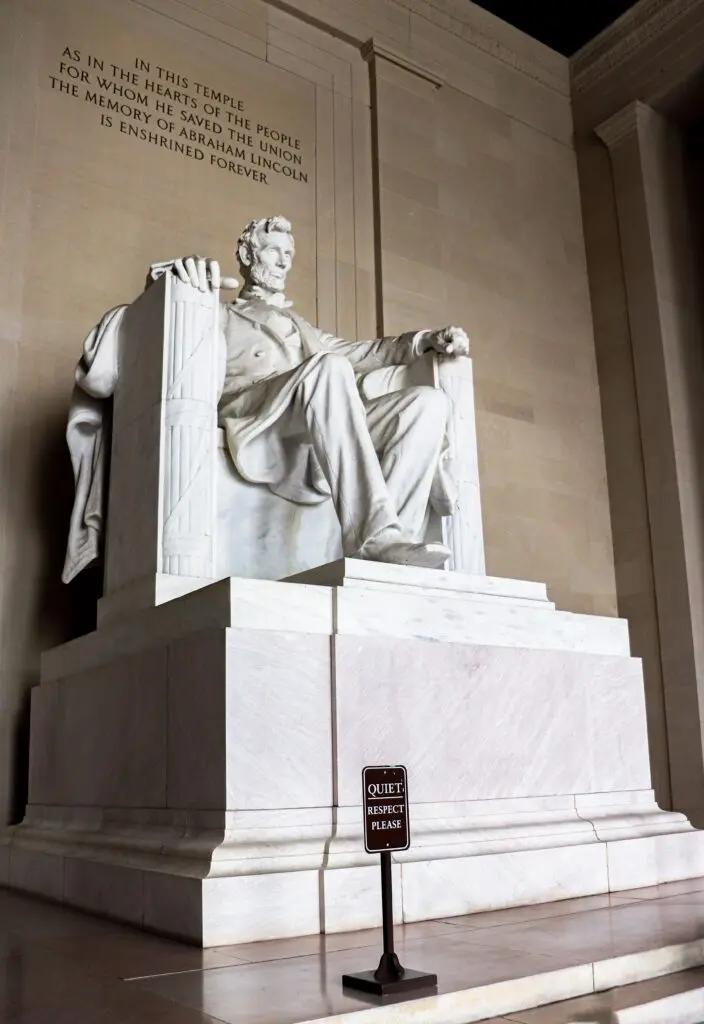
Washington, D.C. gives students the chance to connect Civil Rights history with national memory, government, and civic life.
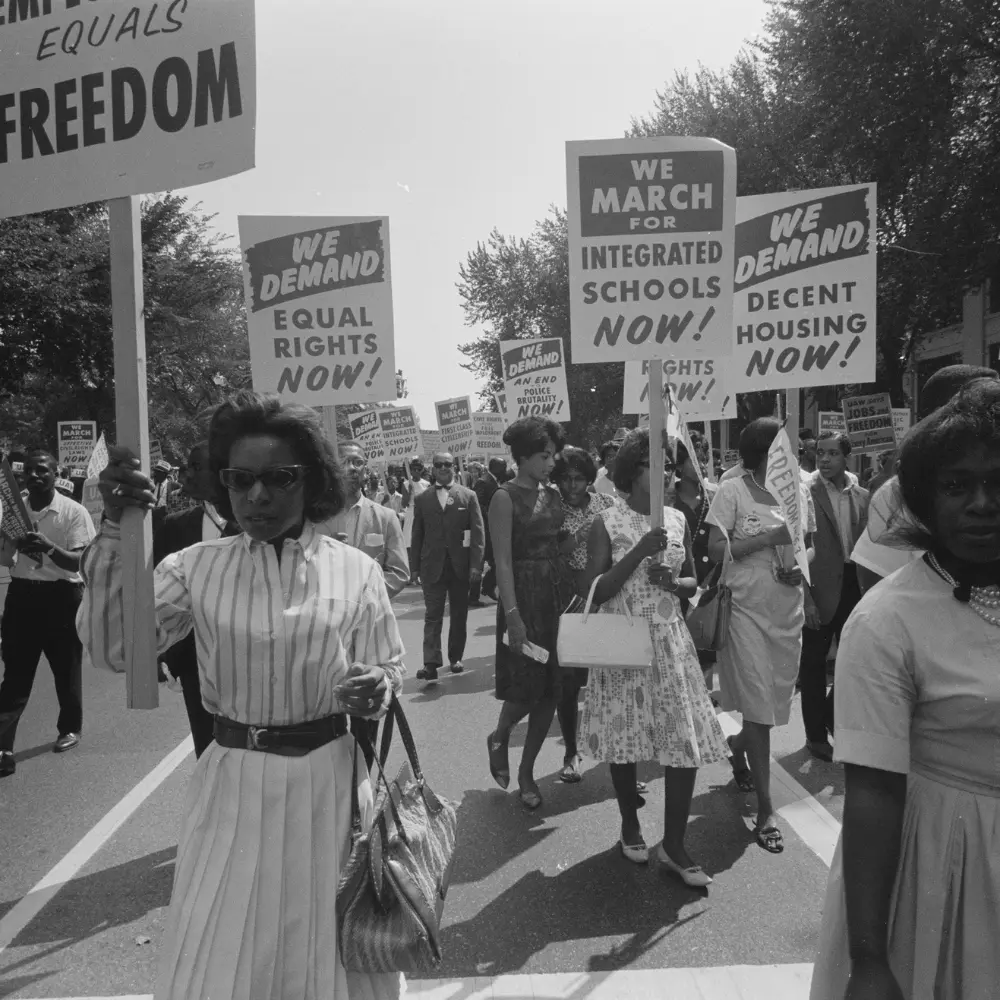
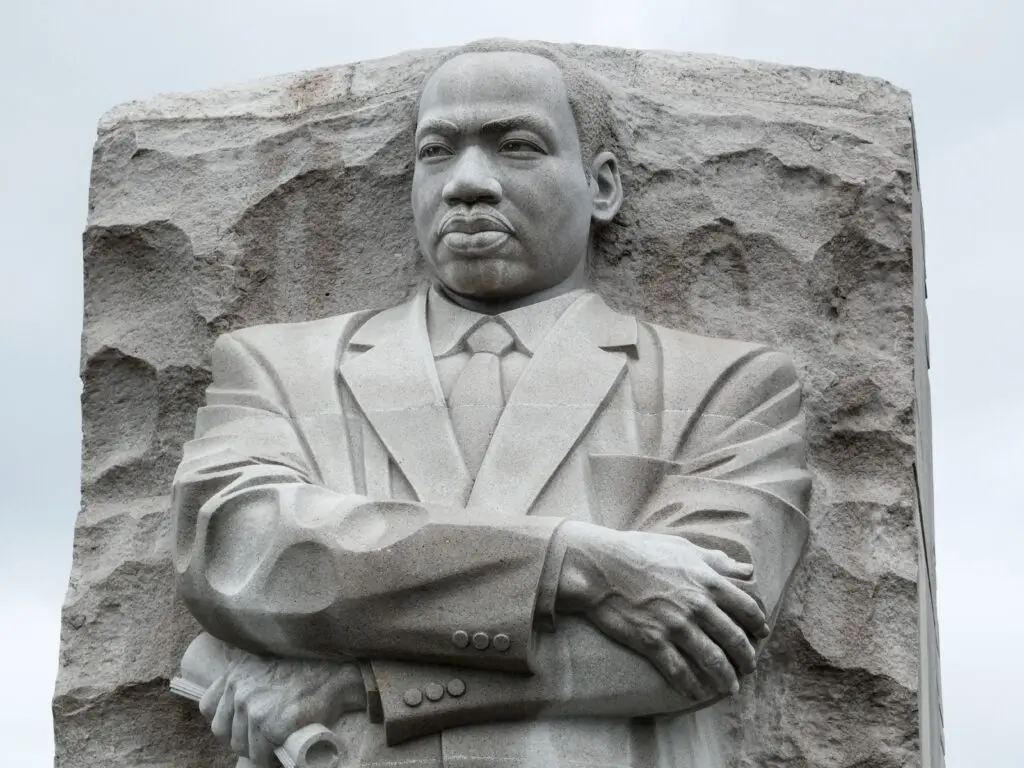
Students can visit the Martin Luther King Jr. Memorial, the Lincoln Memorial, and the site of the 1963 March on Washington, where Dr. King delivered his “I Have a Dream” speech. These locations help students understand how protest, public speech, and national visibility shaped the movement.
The National Museum of African American History and Culture is another essential stop. Its exhibitions help students explore African American history across centuries, from slavery and emancipation to culture, community, resistance, and achievement.
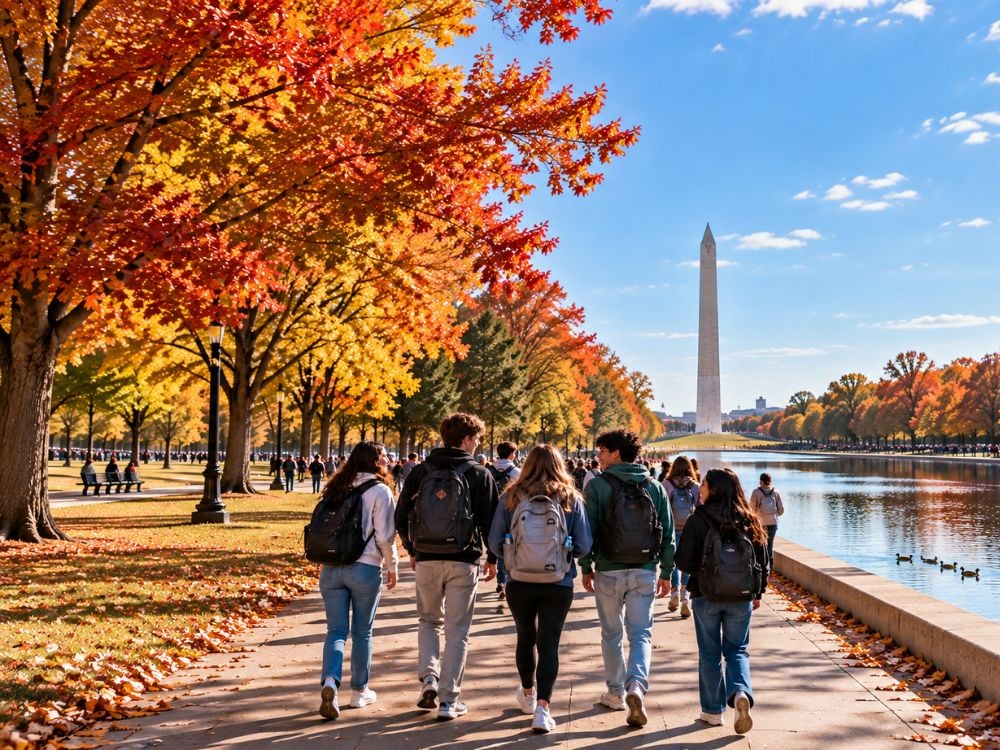
For groups traveling in 2026, Washington, D.C. is also a natural destination for conversations about America’s 250th anniversary and the ongoing meaning of democracy.
Educational themes: National memory, democracy, protest, African American history, civic identity
Chicago: The Obama Presidential Center Opens in 2026
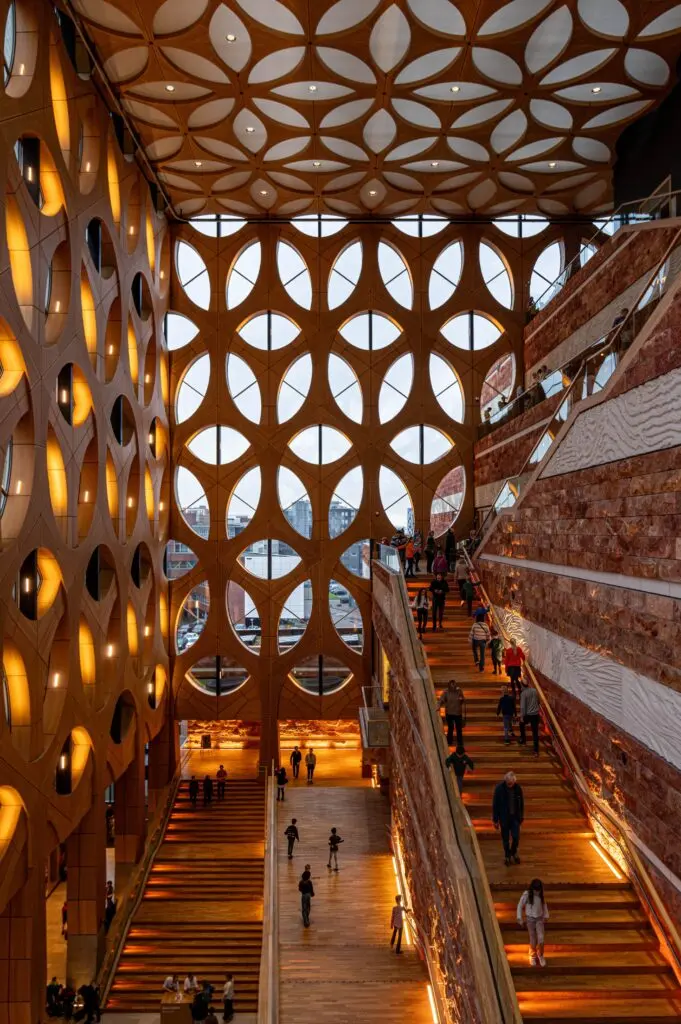
One of the most exciting educational travel developments of 2026 is the opening of the Obama Presidential Center in Chicago.
Opening to the public on June 19, 2026, the Center gives student groups a new opportunity to explore presidential history, public service, democracy, leadership, and the legacy of the nation’s first Black president and First Lady.
For students, the Obama Presidential Center can be more than a museum visit. It can serve as a bridge between the Civil Rights Movement and the present day. Students can reflect on the generations of activism, organizing, voting rights work, and civic engagement that helped make the Obama presidency possible.
A Chicago itinerary can also introduce students to the city’s South Side, community leadership, architecture, culture, and the role cities play in shaping national history.
Educational themes: Presidential history, democracy, leadership, public service, contemporary Black history
Why Civil Rights Trips Matter for Students
Civil Rights trips help students see that history was shaped by people who made choices.
Some were famous leaders. Others were students, church members, teachers, parents, workers, and neighbors. Many were young. Many were ordinary people who decided that injustice could not go unanswered.
That is one of the most important lessons students can take home.
A Civil Rights trip teaches more than dates and names. It teaches empathy, courage, citizenship, and responsibility. It helps students understand that democracy depends on participation and that the fight for equality has always required people willing to act.
In 2026, these lessons feel especially urgent and especially relevant.
As the nation reflects on its past, student travelers have the chance to ask what kind of future they want to help build.