
Why Fall Is the New Spring for Student Tours to Washington D.C.
Spring, from March through June, is still the busiest season for student trips to Washington D.C. It’s also the hardest time to secure group tickets, hotel space, and dining reservations. More teachers and tour planners are now turning to fall for its many advantages:
- Smoother logistics & fewer crowds
With shorter wait times and lighter visitor flows, your group’s schedule runs more smoothly. That means more focused time at each site and fewer surprises to disrupt your itinerary.
- Better group-access at key sites
Museums, memorials, and even Park Service locations often open more slots for student groups in the fall. That leads to more flexibility in scheduling, better tour experiences, and fewer trade-offs.
- Lower costs, smarter budgets
By traveling outside the peak spring window, you often find better rates on hotels, transportation and meals. This allows you to stretch the budget—or add more value for students.
- Comfortable weather & vibrant visuals
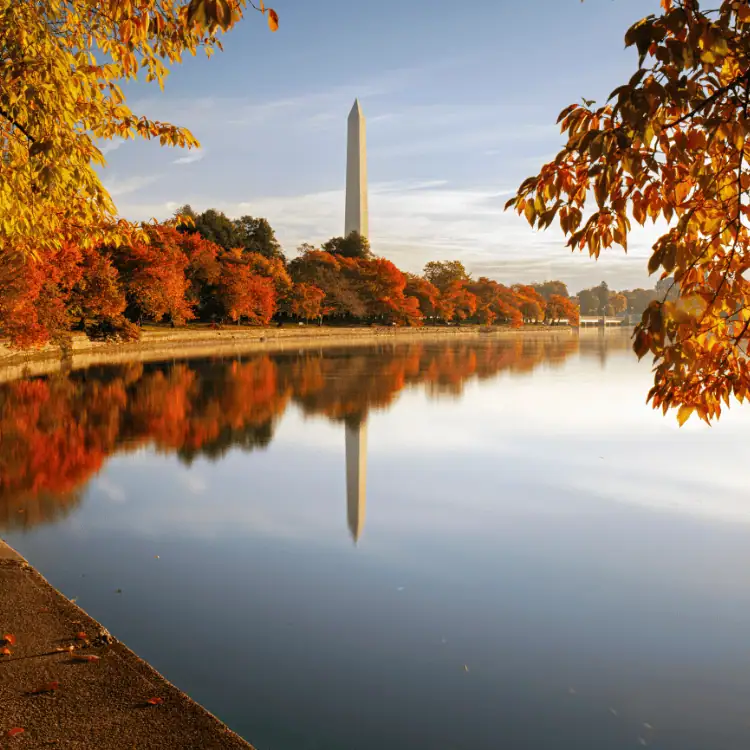
Fall in D.C. brings mild temperatures and the added bonus of autumn foliage. It makes walking tours and outdoor learning more enjoyable, creating memorable visuals and a more comfortable experience for students.
Planner tip: Fall travel can also serve as a great “kickoff” to the school year, allowing teachers to tie D.C. lessons directly into classroom themes on civics, government, and American history.
Fresh Learning Opportunities for Student Groups in DC
Washington D.C. continues to evolve, giving student travelers exciting new ways to connect history, science, and culture to their classroom studies. Many of these attractions offer interactive, hands-on learning, smaller crowds, and options that remain open even during federal shutdowns.
- Folger Shakespeare Library – Recently reopened after major renovations, this site houses the world’s largest collection of Shakespeare’s works. Student groups can explore rare manuscripts, attend performances, and join workshops that bring literature and theater history to life. Ideal for English or drama programs.
- Giant Pandas at the National Zoo – The return of the pandas is a highlight for visiting students. These younger and more active pandas offer new opportunities for lessons on biology, conservation, and international cooperation, all at one of D.C.’s most beloved and free attractions.
- Lincoln Memorial Undercroft – Opening around July 4, this new space reveals the structure beneath the Lincoln Memorial and includes exhibits about its design, symbolism, and legacy. A perfect stop for groups studying U.S. history, architecture, or the Civil Rights Movement.
- National Air and Space Museum – Five new galleries and the IMAX theater are open, with full completion targeted for July. Students can explore STEM topics through immersive exhibits on flight, space exploration, and innovation. The main entrance has returned to the Mall side for easier group access.
- The People’s House, by the White House Historical Association – This high tech, free exhibit offers a detailed, to scale replica of the Oval Office and explores the history of the presidency. It provides a hands-on civics lesson and makes an excellent complement to government or leadership studies.
- Milken Center for Advancing the American Dream – Opened to the public on September 20, 2025, this museum focuses on opportunity, innovation, and civic engagement. It ties directly into themes of economics, entrepreneurship, and social studies, helping students reflect on their own goals and aspirations.
- Museum of the Bible – Launching a new Dead Sea Scrolls exhibit in November 2025, this museum combines ancient history, archaeology, and storytelling. It offers guided group programs that connect faith traditions, world history, and literature. This is a limited time exhibit, and is projected to run only through September 2026.
- African American Civil War Museum – Reopening on Veterans Day, this museum tells the stories of the 200,000 African American soldiers who served in the Civil War. It supports lessons in U.S. history, social justice, and military studies, and aligns with many schools’ diversity and inclusion goals.
- National Geographic Museum – A completely rebuilt facility opened in summer of 2025, with student group visits beginning in the fall. Exhibits focus on exploration, science, and storytelling through photography, video, and interactive displays. Great for STEM, journalism, and environmental studies.
- National Museum of American Diplomacy – Still under construction but already offering workshops that let students role play as diplomats and solve real world global challenges. A creative and educational stop for classes studying government, foreign policy, or international relations.
- Hirshhorn Sculpture Garden – Renovations finishing in the fall 2026 will expand outdoor art spaces and learning areas. Student groups can explore modern and contemporary art in an approachable, outdoor setting that encourages creative thinking. Until renovations are completed, this is temporarily closed.
- 2026 Desert Storm Memorial (construction has started) – Scheduled for completion in 2026, the Desert Storm Memorial will honor those who served in Operations Desert Shield and Desert Storm. Construction has begun near the National Mall, creating a meaningful addition to D.C.’s network of war memorials. Student visitors can explore the evolving story of U.S. military service and modern history as the memorial takes shape.
Planner note:
When planning your itinerary, choose attractions that align with your students’ curriculum and learning objectives. Many D.C. sites offer guided programs and workshops that connect directly to subjects like history, science, civics, and the arts, making the experience both engaging and academically meaningful.
Student Group Dining: What’s Working Now
Dining in Washington D.C. can be one of the biggest logistical challenges for student groups, but there are now more flexible and group-friendly options than ever. Many attractions have reopened food courts and voucher programs that make it easier to manage mealtimes without long waits or unexpected costs.
Meal vouchers are back
Several key venues once again accept dining vouchers, including the Smithsonian museums, the U.S. Capitol Visitor Center, the Reagan Building, Pentagon City Mall, and the National Gallery of Art. This simplifies planning because groups can pre-pay for meals, skip individual transactions, and keep students moving on schedule.
Boxed and catered meals save time
Many D.C. restaurants now offer boxed or grab-and-go group meals, which are perfect for student itineraries that run on tight schedules. These options allow groups to eat together outdoors or at designated picnic areas and can be customized beyond the usual sandwich and chips.
Ben’s Chili Bowl
The famous local favorite is currently renovating its flagship location, which will reopen soon. The restaurant typically handles one bus group at a time, but additional D.C.-area locations can accommodate more. For larger groups, boxed meal delivery or catering can bring this iconic D.C. flavor right to your itinerary.

Planner tip: In spring, avoid the U.S. Capitol cafeteria during peak hours, as it struggles to manage the high volume of student groups. Fall and winter often offer smoother service, shorter lines, and easier reservation windows.
Can’t-Miss Washington DC Attractions for Student Travelers
Washington D.C. offers a perfect balance of classic landmarks, interactive learning, and unique cultural experiences that make it one of the best destinations for student travel. From new museums to local traditions, these activities engage, educate, and inspire.
Interactive and Educational Highlights
- Planet Word, near Franklin Square, is the world’s first voice-activated museum devoted to language. Students can step into exhibits that explore the power of words, try the oratory room, or dive into Lexicon Lane, a team puzzle challenge.
Time on site: About 90 minutes for the museum, up to 2 hours with Lexicon Lane. - Anderson House and the Daughters of the American Revolution (DAR) Museum bring Revolutionary-era history to life. Both are free, content-rich options that connect perfectly with America 250 curriculum goals. Because these are smaller venues, it is best to split large groups and schedule docent-led tours in advance.
Sports, Culture, and Local Flavor
D.C. is a city that never stops moving. Sports fans can cheer on local teams in professional venues that welcome student groups, including WNBA, MLS, and NWSL games, along with growing interest in rugby and cricket events.
For culture seekers, unique experiences go beyond the traditional museum visit:
- Take a SpyHer tour, led by former intelligence officers, to explore espionage history in an engaging way.
- Visit the Washington National Cathedral for a behind-the-scenes architecture or stained-glass tour that connects faith, art, and design.
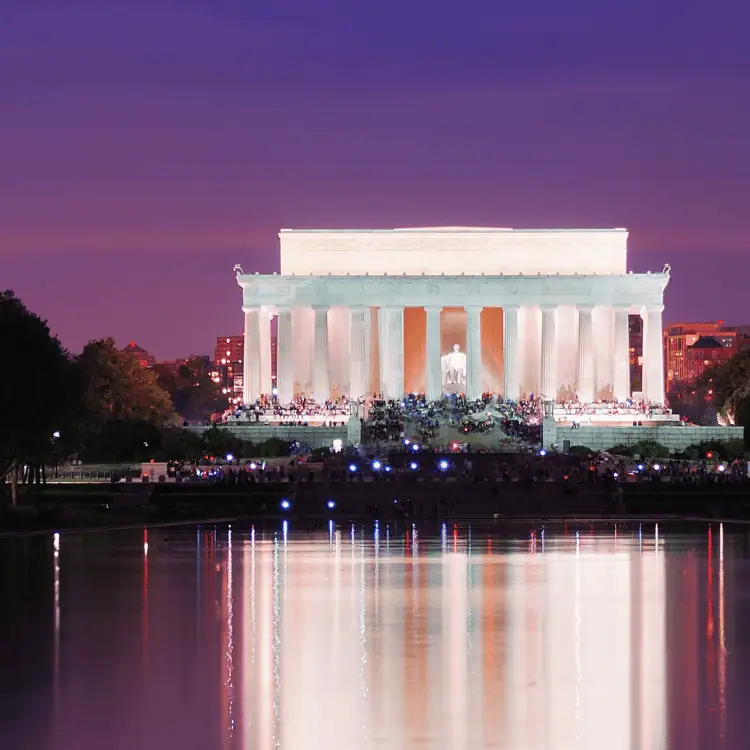
- See the beauty of the Lincoln, World War II, Korean War, and Vietnam Veterans Memorials in the evening, when they are illuminated against the night sky. Visiting after dark allows groups to make the most of daytime hours for museums and other indoor sites while enjoying a peaceful and reflective experience at the monuments.
- Experience D.C. after dark with group-friendly night activities such as improv comedy shows, ghost tours through Alexandria, and visits to the quirky and creative Mansion on O, which can include pizza parties or student choir performances.
Planner tip: Mixing interactive learning with local culture gives students a deeper appreciation of D.C.’s diversity and creativity. These experiences are educational, entertaining, and easy to fit into itineraries of any length.
America 250: Built-In Curriculum Moments, 2026
The year 2026 marks the 250th anniversary of the signing of the Declaration of Independence, a nationwide commemoration known as America 250. This milestone will celebrate the country’s founding, its progress, and the diverse people who have shaped its history. Washington D.C. will be at the heart of the celebration, with major exhibits, special performances, and outdoor festivals designed to engage both residents and visitors.
For student travel, America 250 creates unique opportunities to connect classroom learning with real-world experiences in civics, history, art, and culture. The anniversary aligns perfectly with U.S. history and government curricula, giving teachers an ideal reason to plan a trip that deepens understanding of America’s founding principles and evolving democracy.
Expect special exhibits and events across:
National Museum of American History – rotating features on the Revolution, the Constitution, and American innovation.
National Gallery of Art – a citywide Block Party on June 6 celebrating creativity and national identity through art.
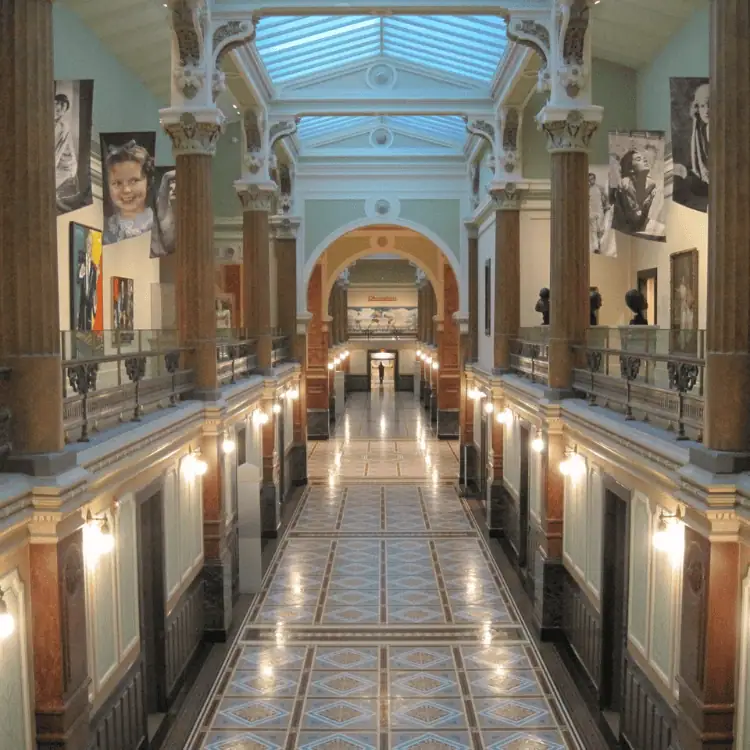
National Portrait Gallery and Renwick Gallery – exhibits exploring leadership, identity, and the American story through portraits and contemporary works.
National Building Museum and Kennedy Center – programs linking architecture, design, and performance to themes of democracy and community.
National Mall Festival in June – a large-scale public celebration with interactive exhibits, performances, and educational programming, dates to be announced.
The National Archives will also play a key role. Its ticketing platform is being upgraded with group links and time block reservations to make scheduling easier for tour operators. The Archives plans to display the 19th Amendment and the Emancipation Proclamation in the Rotunda starting in March, allowing students to view two of the nation’s most important documents up close.Planner tip: America 250 programming will run throughout 2025 and 2026, so consider planning early. These experiences can transform a standard D.C. trip into a once-in-a-generation educational moment that helps students reflect on where the country began and where it is headed next.
Washington D.C. Black History Highlights and Civil Rights Student Tours
Washington D.C. is rich with African American history that directly connects to lessons in civics, social studies, and culture. Visiting these sites helps students see how Black leaders, artists, and communities shaped both the city and the nation. Each location offers meaningful, authentic learning experiences that pair well with classroom discussions on equality, leadership, and civic engagement.
- Frederick Douglass National Historic Site
The home of the famed abolitionist and writer sits atop Cedar Hill and offers guided tours led by the National Park Service. Space is limited, so advance reservations are essential. The site gives students an intimate look at Douglass’s life, his fight for freedom, and his lasting influence on civil rights. Teachers can connect this visit to lessons on the Civil War, Reconstruction, or the power of advocacy. - Mary McLeod Bethune Council House National Historic Site
This free Park Service site preserves the home of educator and civil rights leader Mary McLeod Bethune. Students learn how she founded organizations that advanced education and equality for Black women, and how her leadership helped shape the early civil rights movement. The house was also the meeting place for the National Council of Negro Women, giving groups a direct link to D.C.’s activist history. - Go Go Museum and Café
Located in Anacostia, this small but vibrant museum celebrates Go Go music, a homegrown D.C. genre that blends funk, soul, and community storytelling. The museum offers an upbeat, student-friendly atmosphere and can host private group visits or evening dance sessions. It is a fun, cultural way to show students how art and music express local identity and social change. - Smithsonian National Museum of African American History and Culture
One of Washington’s most impactful museums, this Smithsonian landmark traces the African American experience from slavery to the present day through powerful exhibits, artifacts, and storytelling. Students gain a deeper understanding of resilience, creativity, and social change while exploring themes that connect to U.S. history, culture, and civic identity.
Planner tip: These sites are powerful inclusions for itineraries focused on African American studies, cultural heritage, or the arts. They are also excellent options during potential government shutdowns, since the Go Go Museum is privately operated.
Outdoor and STEM Ideas
Washington D.C. is more than monuments and museums. It is also one of the greenest and most innovative cities in the country, filled with opportunities for students to connect science, engineering, and the environment to what they learn in class. These experiences balance structured museum time with active, outdoor learning.
Rock Creek Park – A favorite for outdoor education and recreation, Rock Creek Park offers ranger-led programs, guided nature hikes, and wildlife observation. Students can study ecosystems, biodiversity, and conservation practices while enjoying one of the largest urban parks in the United States.
U.S. National Arboretum – A peaceful retreat within the city, the Arboretum features the historic Capitol Columns and a living collection of trees from all fifty states. It is a perfect fit for environmental science, biology, or geography programs, offering a chance to explore sustainability, plant research, and the importance of conservation.
National Building Museum – This museum brings architecture, engineering, and design to life through interactive exhibits and large-scale installations. Students can explore topics such as structural design, urban planning, and sustainability while connecting STEM principles to real-world examples. The grand atrium and hands-on learning stations make it ideal for group visits.
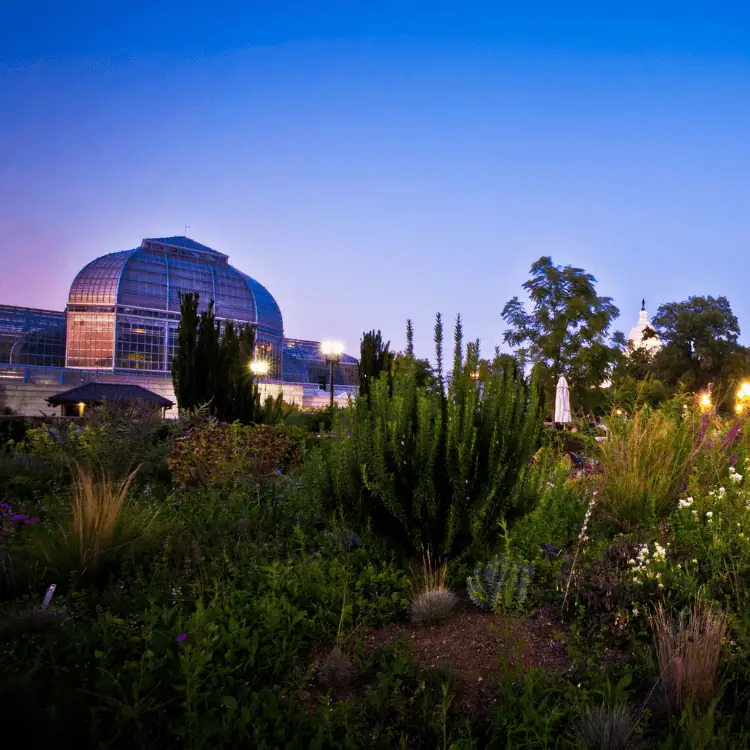
U.S. Botanic Garden – Located next to the U.S. Capitol, the Botanic Garden is often overlooked but always impressive. It combines science and art through its collection of rare plants, tropical species, and themed exhibits on ecology and climate. The space is compact and easy to navigate, which makes it an excellent stop for student groups of all ages.
ARTECHOUSE
Reopening with new installations in the new year, ARTECHOUSE blends art and technology through immersive digital exhibits. It is especially engaging for middle and high school students interested in design, coding, and visual media. The experience connects creativity with STEM concepts like projection mapping and interactive engineering.
Planner tip: These sites add balance to a student itinerary, giving groups a break from museum tours while reinforcing STEM and environmental learning. Most locations are free or low-cost and offer group-friendly access for students.
Inspiring Student Performance Opportunities in Washington DC
Washington D.C. is filled with spaces where student performers can shine. From historic landmarks to cultural centers, the city offers memorable backdrops that transform a trip into a once-in-a-lifetime experience. Whether your group is a choir, band, or dance ensemble, there are meaningful ways to showcase student talent and connect performance with education.
- Washington National Cathedral
Choirs can participate in scheduled daytime performances and musical experiences inside one of the most breathtaking venues in the country. The cathedral’s exceptional acoustics and spiritual atmosphere make it a highlight for many student groups. - George Washington’s Mount Vernon
Set on the banks of the Potomac River, Mount Vernon welcomes smaller student ensembles for performances on its scenic grounds. This setting connects music and history, allowing students to perform at a site that tells the story of America’s first president. - Mexican Cultural Institute
This elegant mansion on 16th Street provides a distinctive performance space surrounded by vibrant murals and cultural art. It is an excellent choice for choirs, chamber groups, and small bands seeking an intimate and international experience. - National Building Museum
Known for its soaring Great Hall and architectural beauty, the museum occasionally hosts student performances that complement its design and arts programming. The space provides a striking visual backdrop for concerts and ceremonies. - Community and Festival Opportunities
D.C. regularly hosts parades, cultural festivals, and public celebrations where student groups can perform. Seasonal highlights like the National Cherry Blossom Festival Parade, Memorial Day events, and Veterans Day commemorations invite bands and marching groups to perform before enthusiastic crowds. For parades, availability and organizers vary year to year, so it is best to plan ahead and confirm participation early. - World War II Memorial and Thomas Jefferson Memorial
Performing at these iconic memorials offers students a powerful and inspiring setting to honor American history through music. Surrounded by symbols of leadership, sacrifice, and democracy, ensembles can connect their performances to lessons in civic pride and national heritage while creating unforgettable memories in the heart of the National Mall.
Planner tip: Performance opportunities often fill quickly, so begin inquiries 12 to 18 months in advance. The ETA team can help coordinate venues, permits, and scheduling to ensure your students have a professional and rewarding experience in the nation’s capital.
Added value: Performing in D.C. gives students more than just a stage. It allows them to become part of the city’s living history, celebrating art, culture, and civic pride where it matters most.
Quick FAQs for Teachers
Most school groups plan four to five days in Washington D.C. This allows enough time to visit the major sites on the National Mall, explore a few neighborhoods, and enjoy evening activities without feeling rushed.
Yes. Most marquee attractions are free. Pair those with smart dining, boxed meals and vouchers, and off season travel for real savings.
Yes, but requests must go through a member of Congress as soon as possible. Waiting depletes your chance of getting a tour because these are first come, first serve. If your group can’t secure a tour, the White House Visitor Center and The People’s House exhibit offer great alternatives with engaging, interactive experiences.
New highlights include the Lincoln Memorial Undercroft exhibits, Planet Word, the Milken Center for Advancing the American Dream, the Desert Storm Memorial, and the Air And Space Museum is close to finishing their refurbishment. The National Geographic Museum is reopening soon with all-new exhibits designed for student audiences.
America 250 is the nationwide celebration of the 250th anniversary of the signing of the Declaration of Independence in 2026. D.C. will host special exhibits, festivals, and performances that make it an ideal destination for civics and history learning.
Ready to Plan your DC Student Trip?
Educational Travel Adventures builds student focused D.C. itineraries that blend the classics with what’s new, ensuring every trip is as meaningful as it is memorable. Our team designs experiences that connect directly to classroom learning while keeping travel stress-free for teachers and students alike. Learn more about our Washington D.C. educational tours.
We handle all the details, from custom itineraries and secured performance slots to transportation, meal coordination, and flexible rain or shutdown contingencies, so group leaders can focus on what matters most: the students’ experience.
With deep local expertise and trusted relationships across Washington D.C., ETA ensures a quality experience, smooth scheduling, and insider tips that help maximize every day. Whether your group’s focus is history, civics, STEM, music, or leadership, we’ll tailor a trip that fits your goals.
🌎 Ready to request a quote? Tell us some specifics you’d like to see for your Washington D.C. trip and we will take it from there!
👉 Ready to start planning? Learn more about Educational Travel Adventures student travel programs.