
Discover Hawaii
Hawaii Educational Tours & Student Trips
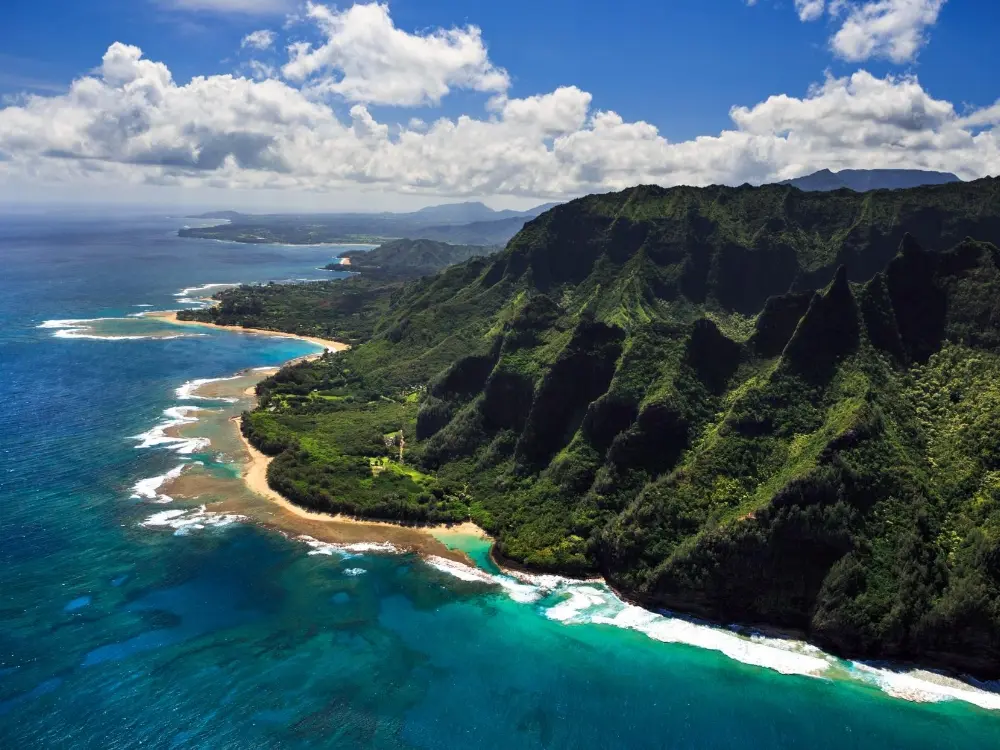
Aloha! Immerse your students in Polynesian culture through food, dance, art, and traditions. With so many adventures to choose from, Hawaii offers unforgettable experiences for every interest. Hawaii is a chain of islands renowned for its stunning natural beauty. Visitors can explore active volcanoes, hike lush rainforests, marvel at waterfalls, and relax on pristine beaches.
Hawaii Student Tours Overview
Hawai’i is a one-of-a-kind educational destination that combines hands-on learning with breathtaking natural beauty. Student groups can explore volcanic landscapes, tropical rainforests, coral reefs, and Polynesian culture while connecting classroom concepts to real-world experiences. From marine science and ecology to history, language, and cultural immersion, Hawaii offers lessons that engage students in active, experiential learning. With so many outdoor, cultural, and scientific activities, Hawaii ensures an unforgettable and curriculum-aligned student tour.
Explore Volcanoes & Environmental Science in Hawaii
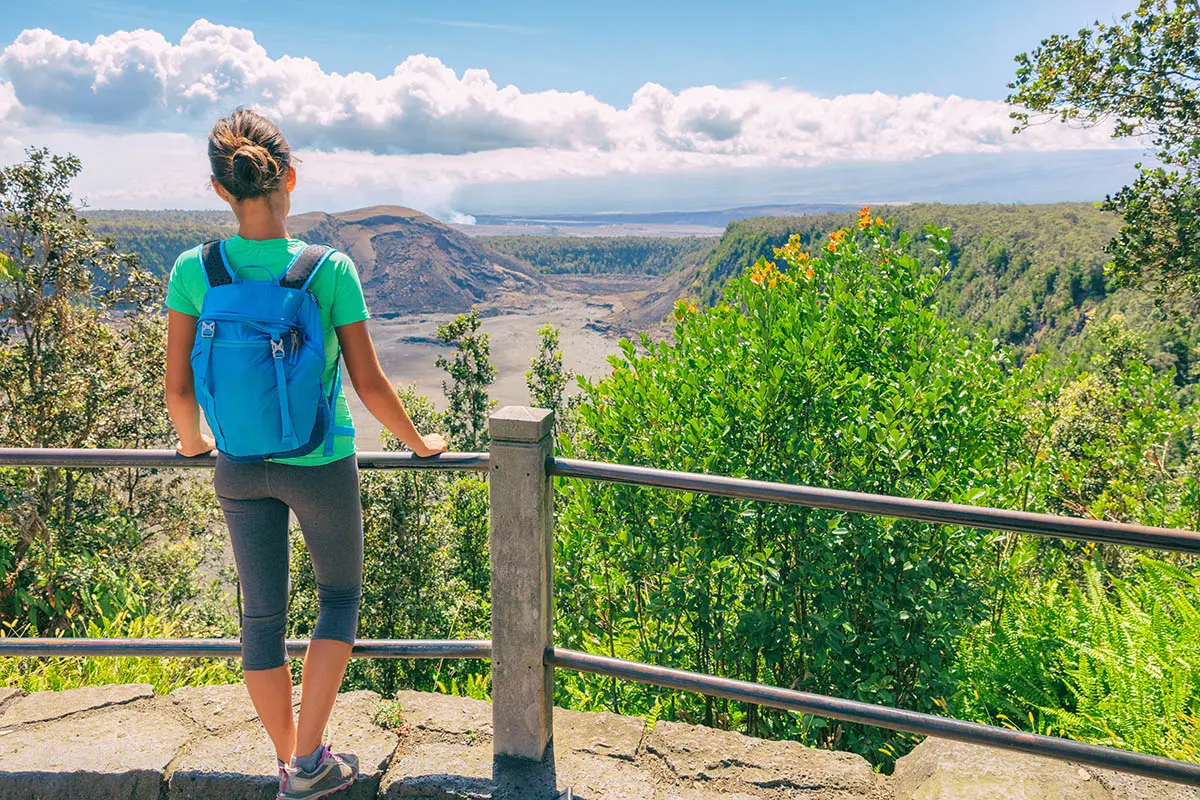
Hawaii’s volcanic landscapes are a living laboratory for students studying geology, environmental science, and natural hazards. Groups can explore active and dormant volcanoes, lava fields, and geothermal sites to learn about plate tectonics, volcanic eruptions, and rock formation. Guided tours in Volcanoes National Park provide hands-on lessons about conservation, sustainable tourism, and environmental stewardship. Students can also observe how ecosystems adapt to volcanic landscapes and gain real-world insight into natural sciences. These experiences make geology tangible, memorable, and exciting for young learners.
Hands-On Marine Science & Ocean Exploration Adventures
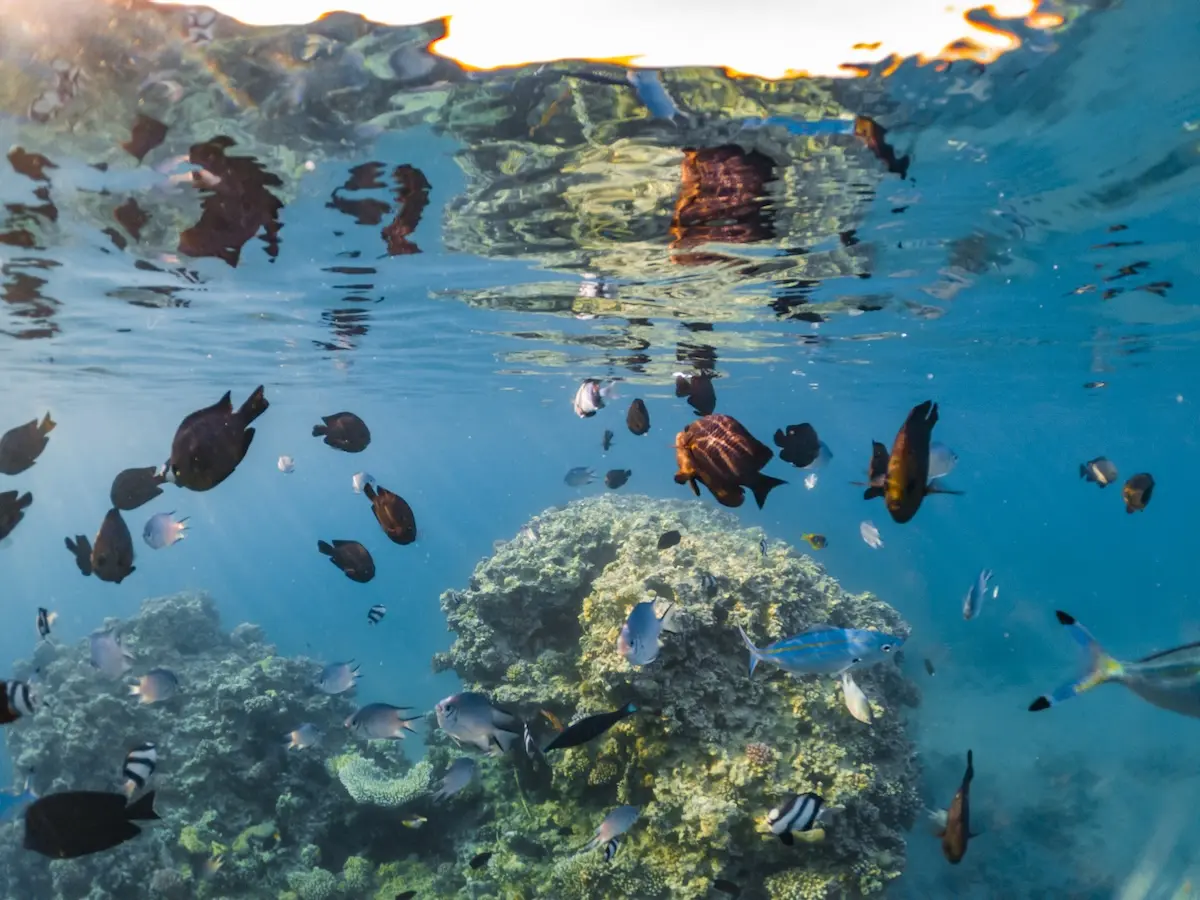
Hawaii’s vibrant marine environments offer unparalleled opportunities for experiential learning. Students can study coral reefs, tide pools, and marine wildlife through guided snorkeling excursions, aquarium programs, and conservation workshops. These activities teach ecology, biodiversity, and the importance of ocean conservation while connecting classroom concepts to real-world ecosystems. Marine biologists and educators often provide interactive lessons, allowing students to practice data collection and observation skills. Learning about Hawaii’s unique marine life inspires stewardship and a deeper appreciation for the natural world.
Discover Hawaiian Culture, History & Language Immersion
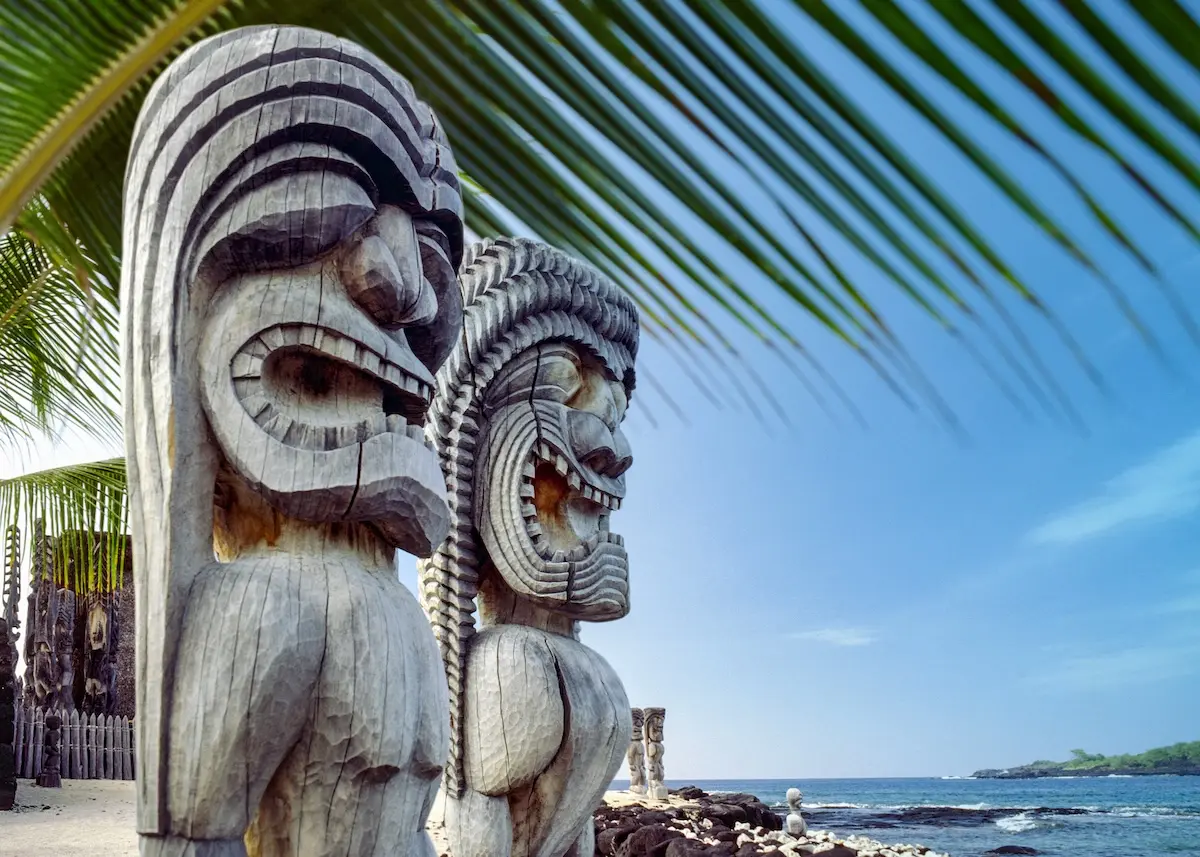
Hawaii is a hub for cultural learning and French-Canadian is replaced with Polynesian traditions and history. Students can explore the origins of hula, learn Hawaiian language basics, and understand navigation and mythology from local experts. Visits to cultural landscapes, historical sites, and community programs provide interactive opportunities to connect with Hawaiian heritage. Students gain insight into native Hawaiian history, European contact, and modern island culture, making learning hands-on and immersive. These experiences enrich social studies, language, and cultural curriculum goals in a unique island setting.
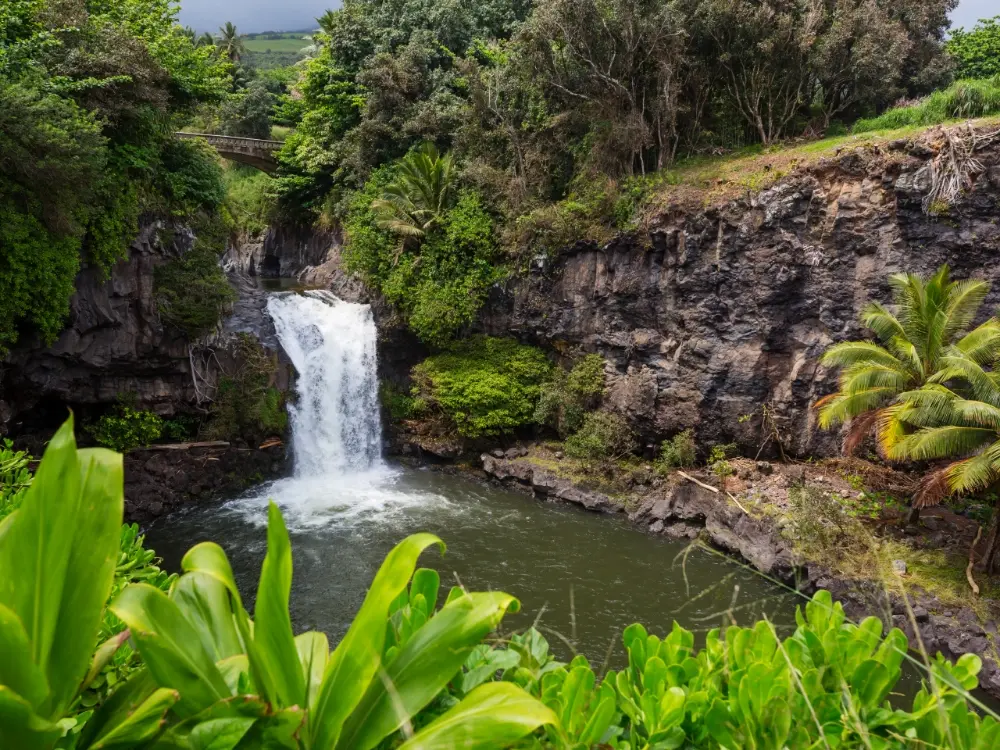
Rainforests, Waterfalls & Outdoor Adventure Learning
Hawaii’s rainforests and waterfalls create ideal settings for outdoor education and ecological study. Students can hike through lush trails, observe endemic plants and bird species, and participate in guided ecological tours. These experiences highlight biodiversity, ecosystems, and conservation practices while encouraging teamwork and physical activity. Field studies in these environments allow students to explore environmental science concepts firsthand. Adventure-based learning in Hawaii’s natural landscapes makes education both engaging and memorable.
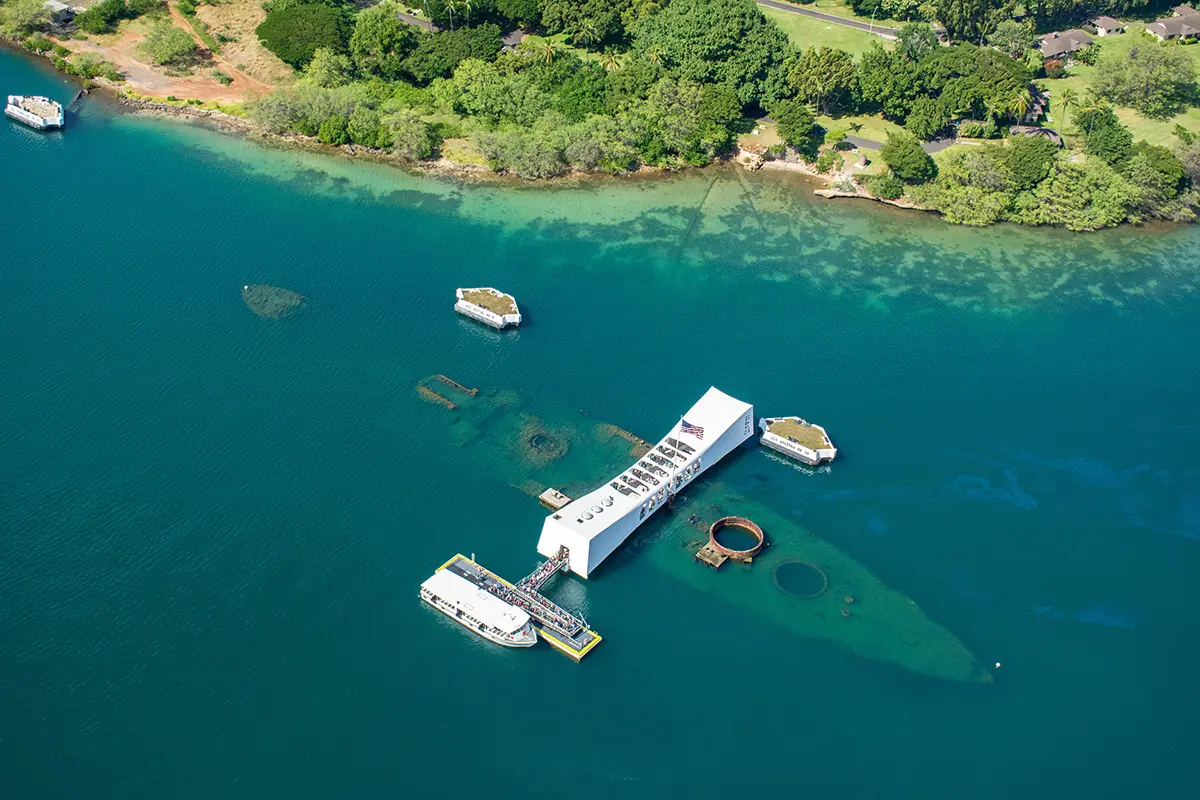
Explore History & World War II Landmarks in Hawaii
Hawaii is not just about natural wonders—it’s also a living history classroom. Students can visit Pearl Harbor, Iolani Palace, and other historic sites to learn about Hawaiian monarchy, colonial history, and World War II events. Guided tours, interactive exhibits, and memorials provide context for U.S.–Pacific relations and Hawaii’s role in world history. These visits help students connect textbook knowledge to tangible historical experiences. Integrating history with field visits makes learning dynamic and impactful for student groups.
Hawaii Student Travel Itineraries


FAQs: Planning a Hawaii Student Group Trip
When is the best time of year for student trips to Hawaii?


The dry season (April–October) offers the best weather for outdoor learning, marine activities, and sightseeing, though Hawaii is suitable for year-round travel.
Do students need passports to visit Hawaii?
No. Hawaii is part of the United States, so U.S. students only need standard identification. International students will need passports and any necessary visas.
How safe is Hawaii for student groups?
Hawaii is generally very safe for visitors. Standard group safety measures—buddy systems, adult supervision, and clear meeting points—ensure a smooth and secure experience.
How long should a student trip to Hawaii last?
Most trips last 5–7 days, providing time for outdoor adventures, cultural immersion, marine science activities, and historical excursions.
Are there group discounts for Hawaiian attractions?
Yes. Many cultural centers, museums, aquariums, and tour operators offer student group rates or packages. Booking early ensures availability, especially in peak travel seasons.
What should students pack for Hawaii?
Comfortable walking shoes, water shoes, light clothing, swimwear, sunscreen, hats, reusable water bottles, and rain jackets are recommended for outdoor and marine activities.
Can student groups safely snorkel or do marine activities?
Yes. Guided programs with certified instructors and proper safety equipment make snorkeling, tide pool exploration, and marine labs safe for students.
Are there opportunities for Hawaiian language learning?
Absolutely. Cultural centers, museums, and workshops often offer lessons in basic Hawaiian language, chants, and cultural storytelling.
How far apart are Hawaii’s major attractions?
Distances vary by island. On Oahu, key sites like Pearl Harbor, Waikiki, and hiking trails are within an hour or two. On larger islands like Hawaii (Big Island), buses or private transportation are recommended for full-day trips.
Are there curriculum-aligned STEM programs in Hawaii?
Yes. Volcanoes National Park, marine labs, and environmental organizations provide hands-on STEM programs aligned with science and geography standards.
Can Hawaii accommodate large student groups?
Yes. Hotels, tour operators, and attractions are experienced in hosting student groups and provide accommodations, transport, and structured educational programs.
How can students engage respectfully with Hawaiian culture?
Students should follow community guidelines, participate in guided cultural tours, and attend workshops led by local educators to engage respectfully with Hawaiian traditions.
Plan Your Hawaii Student Trip Today!
Give your students an unforgettable learning adventure exploring volcanoes, tropical ecosystems, marine life, Polynesian culture, and historical landmarks. Start planning your educational tour to Hawaii and create hands-on experiences that combine learning, exploration, and adventure.