Every September 17, Constitution Day marks the signing of one of the most influential documents in American history. In Philadelphia, students can stand where it actually happened.
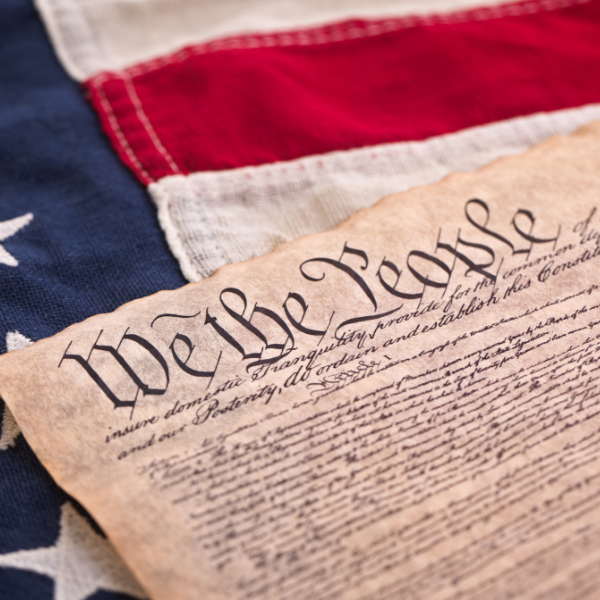
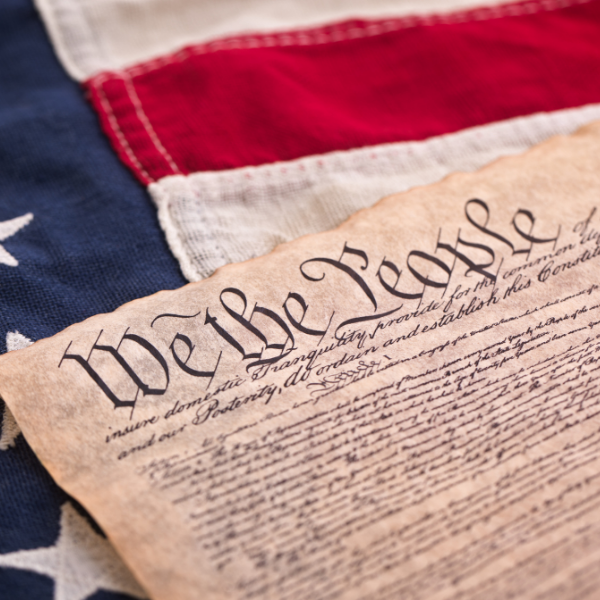
On September 17, 1787, delegates to the Constitutional Convention gathered in Philadelphia to sign the U.S. Constitution.
Nearly 240 years later, that document still shapes how the country works, how power is divided, and how Americans understand their rights.
That makes Constitution Day, September 17, 2026, a good time to move beyond memorizing amendments and ask some bigger questions.
Why was the Constitution needed? What did the delegates agree on? What did they absolutely not agree on? And why are we still debating some of the same ideas today?
That’s where civics gets interesting.
So, What Is Constitution Day?
Observed every September 17, Constitution Day and Citizenship Day commemorates the signing of the U.S. Constitution in 1787. Schools receiving federal funding are also required to provide an educational program about the Constitution on or around the date.
Thankfully, “educational program” does not have to mean another worksheet.
Constitution Day is a natural starting point for conversations about representation, individual rights, federal power, citizenship, and how democracy actually works.

Start With What Students Already Know
Ask students what comes to mind when they hear “the Constitution,” and you’ll probably get a few familiar answers.
- “We the People.”
- Freedom of speech.
- The three branches of government.
- Maybe a few amendments.
From there, look at the Constitution as something created to solve a problem.
Delegates came to Philadelphia intending to revise the Articles of Confederation. Instead, after months of debate and compromise, they created an entirely new framework for government.
That leads to much better questions:
- What wasn’t working?
- Who would have power under the new system?
- Who did “We the People” include in 1787, and who did it leave out?
- Which compromises made the Constitution possible?
- Which debates never really went away?
Now we’re talking.
Put Students in the Room Where It Happened
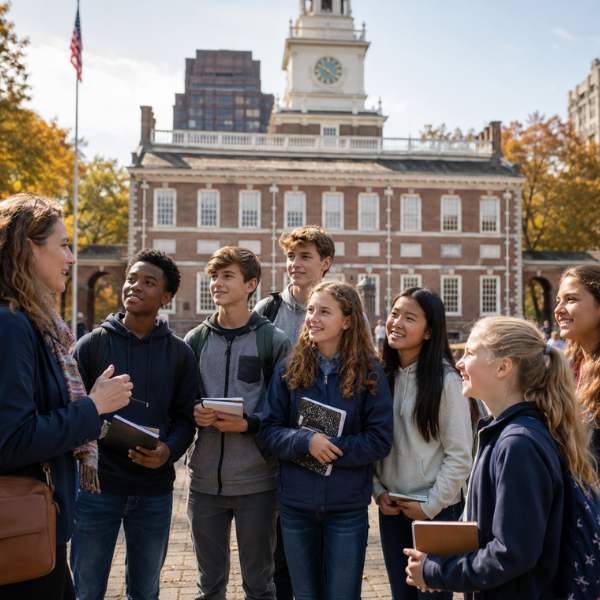
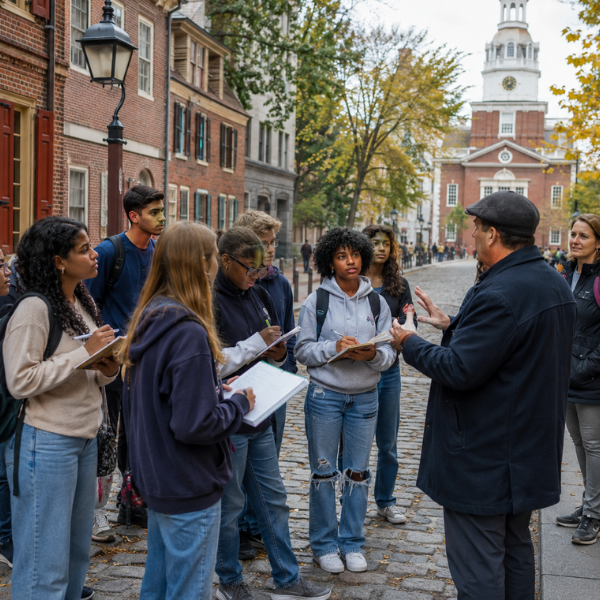
There are plenty of places to study American history, but Philadelphia lets students walk right into it.
Inside Independence Hall, delegates from 12 states debated the structure of the new government and ultimately signed the Constitution.
For students who have seen the building in textbooks for years, standing inside it changes the scale of the story.
The founders become people instead of portraits. The debates become easier to imagine. And the Constitution feels less like a chapter heading and more like something created by real people making difficult choices.
It’s one reason Philadelphia works so well for history and civics trips.
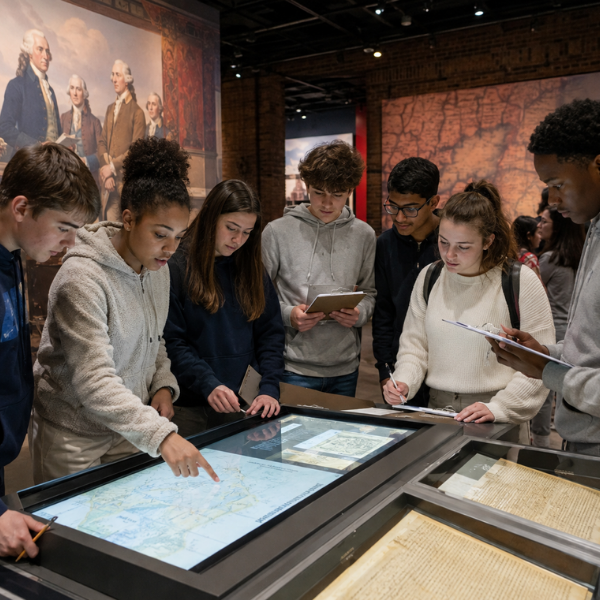
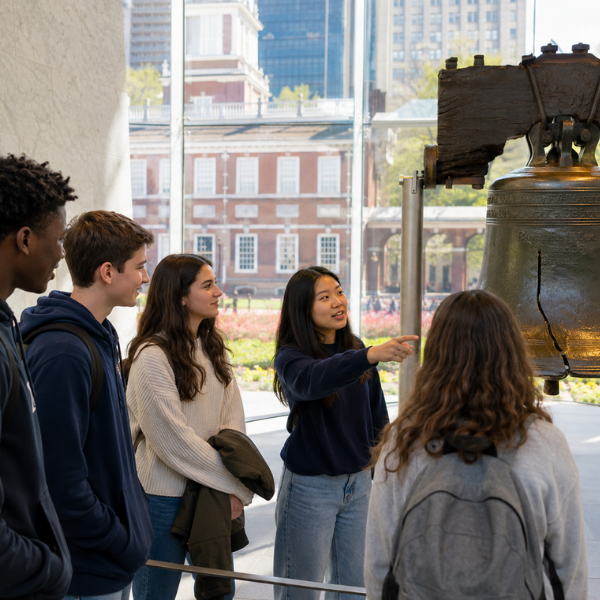
ETA’s Philadelphia educational tours can include Independence Hall, the Liberty Bell Center, and other historic sites throughout the city, connecting what students learn in class with the places where it happened.
Look Beyond the Liberty Bell Photo Op
A few steps from Independence Hall sits another symbol students immediately recognize: the Liberty Bell.
Its story goes well beyond the crack.
Over time, abolitionists, suffragists, civil rights activists, and others have used the bell as a symbol of liberty, giving teachers an easy way to explore how the meaning of an American symbol can change depending on who is using it and why.
A simple question can open up a surprisingly big conversation:
Does “liberty” mean the same thing to everyone? Probably not. And that’s the point.
Make Room for Debate
The Constitutional Convention was not a room full of people politely nodding in agreement.
Delegates argued over representation, federal power, the presidency, slavery, individual rights, and the relationship between states and the national government.
Even on September 17, not everyone was satisfied. Three delegates present refused to sign the final document, including some who objected to the lack of a bill of rights.
That tension makes Constitution Day much more interesting than treating the finished document as inevitable.
Classroom Connection
Give small groups one Constitutional Convention debate to investigate:
- Representation in Congress
- Federal versus state power
- Presidential authority
- The Bill of Rights
- Amending the Constitution
Have students explain the disagreement, the compromise, and whether they think the solution still works today. No powdered wigs necessary.
Remember: 1787 Was the Beginning
The Constitution signed in Philadelphia was not the finished story.
The Bill of Rights followed. Later amendments abolished slavery, defined citizenship, expanded voting rights, and changed how presidents are elected and limited in office.
That gives teachers an easy way to connect 1787 with later chapters of American history and with questions students still hear debated today.
Philadelphia makes those connections especially easy because so much history sits within a relatively compact area.
Along with Independence Hall and the Liberty Bell, student groups can explore places like the National Constitution Center, the Museum of the American Revolution, and the Benjamin Franklin Museum.
You can cover a lot of American history before anyone even asks what’s for lunch.
Why Seeing It Matters
- Students can read about the Constitutional Convention.
- They can memorize checks and balances.
- They can identify the three branches of government on a test.
But there’s something different about walking into Independence Hall and realizing that decisions made in that room are still part of American life.
Travel gives history a sense of scale and place that a textbook can’t quite match.
And with civics, that matters.
The goal isn’t just for students to understand how government works. It’s for them to recognize that they are part of it.
Bring Constitution Day to Life in Philadelphia
Constitution Day comes once a year. The questions behind it are worth exploring anytime.
A student trip to Philadelphia can connect civics and American history through the places where the country’s founding documents were debated, written, and signed.
ETA can build a customized Philadelphia itinerary around your students, curriculum, and goals, from Independence Hall and the Liberty Bell to museums and historic sites throughout the city.
Ready to take civics out of the textbook? Explore ETA’s Philadelphia Educational Tours.