

NASA & Astronomy
Educational Tours & School Trips
Inspire the next generation of scientists, engineers, and explorers with immersive student NASA & astronomy trips that bring space science off the page and into real-world environments. Educational Travel Adventures (ETA) designs hands-on, curriculum-aligned experiences at NASA centers, observatories, and space museums across the U.S.
Space Science Beyond the Classroom
ETA’s NASA & astronomy class trips are designed to ignite curiosity through direct exposure to space exploration, astrophysics, and aerospace engineering. Students engage with real NASA facilities, interactive exhibits, and science professionals while connecting classroom concepts to real missions and technologies. These programs are ideal for middle school and high school groups studying space and Earth science, engineering, or STEM career pathways. With expertly planned itineraries and full logistical support, ETA makes complex educational travel seamless for educators.
Popular NASA, Space Science & STEM Educational Destinations
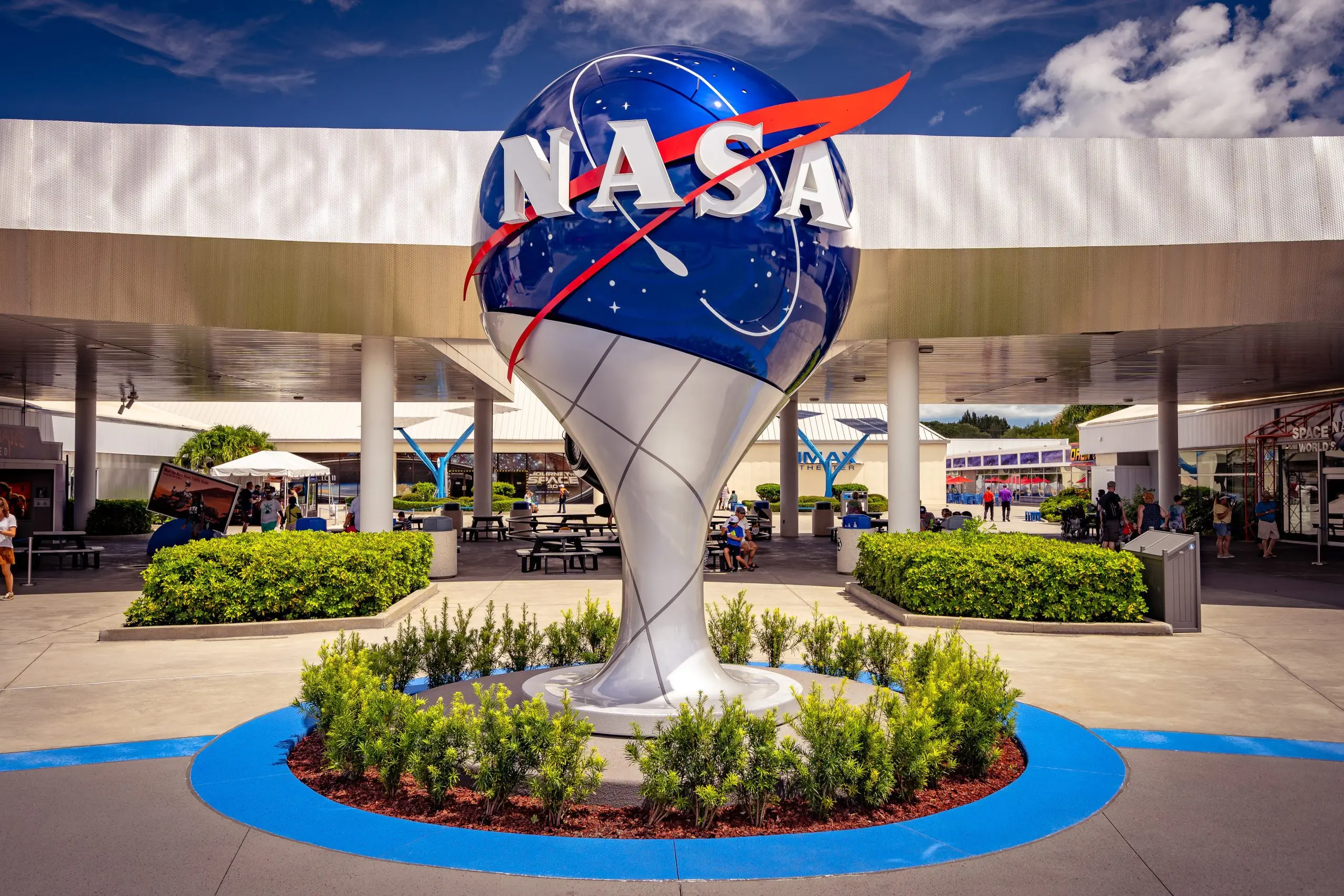
Space Coast, Florida
Kennedy Space Center + Launch Viewing + Coastal STEM
Florida’s Space Coast offers one of the most iconic space science experiences in the world. At Kennedy Space Center, students explore space launch systems, astronaut training simulators, historic spacecraft, and the Space Shuttle Atlantis exhibit. When timing allows, live rocket launch viewing adds an unforgettable real-time lesson in physics and engineering. The experience is often paired with coastal ecology or beach-based STEM programming, helping students connect space science with Earth systems and environmental studies. This destination is ideal for engaging learners with both high-energy exploration and applied science.
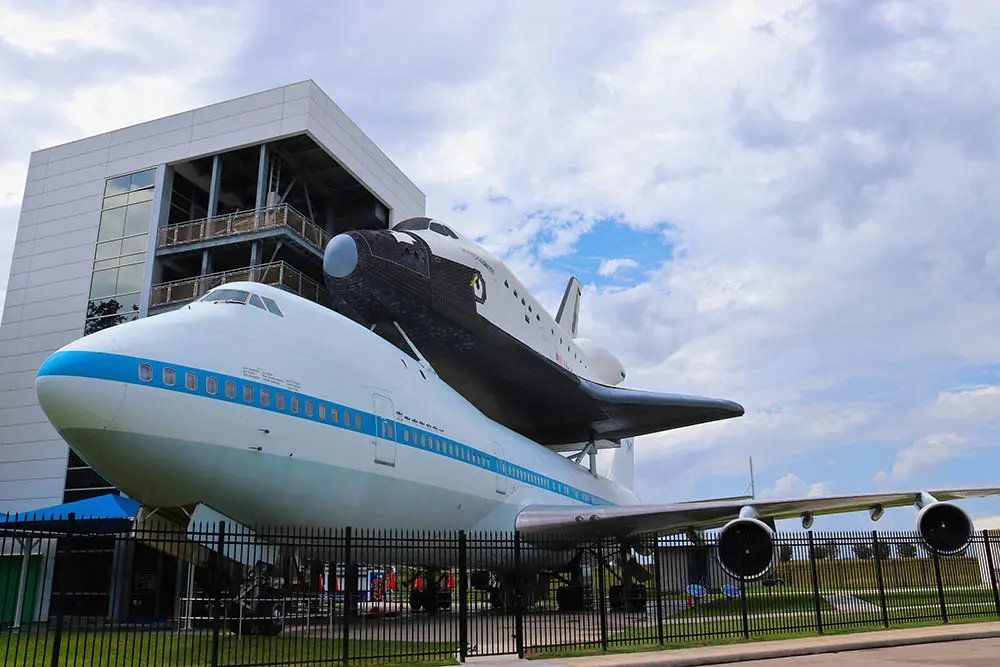
Texas Space & Engineering
Space Center Houston + Engineering & Aerospace Museums
Space Center Houston, the official visitor center of NASA Johnson Space Center, places students at the heart of human spaceflight. Groups learn about mission control operations, astronaut training, and the future of space exploration through hands-on exhibits and behind-the-scenes experiences. The destination pairs well with aerospace and engineering museum add-ons, allowing students to explore robotics, aviation, and applied engineering principles. Texas trips are especially strong for STEM-focused programs emphasizing careers in science and engineering.
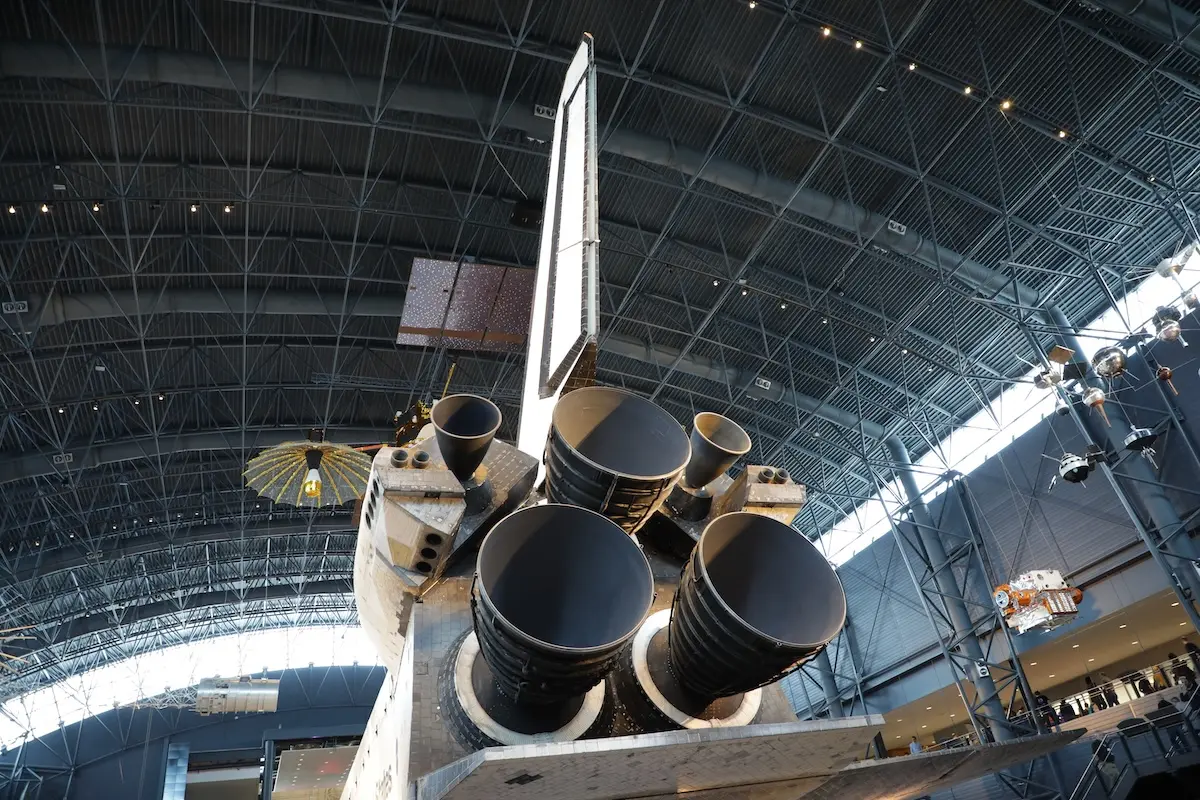
Washington DC
Space Science Corridor
Smithsonian Air & Space + NASA Goddard Visitor Center
Washington DC offers a powerful combination of national museums and active NASA research facilities. The Smithsonian National Air and Space Museum provides a foundational overview of aviation, space exploration, and astronomy through world-class artifacts and interactive exhibits. Nearby, the NASA Goddard Visitor Center introduces students to cutting-edge Earth science, satellite missions, and astrophysics research. This pairing is ideal for connecting historical achievements with modern scientific discovery while reinforcing standards-based science education.
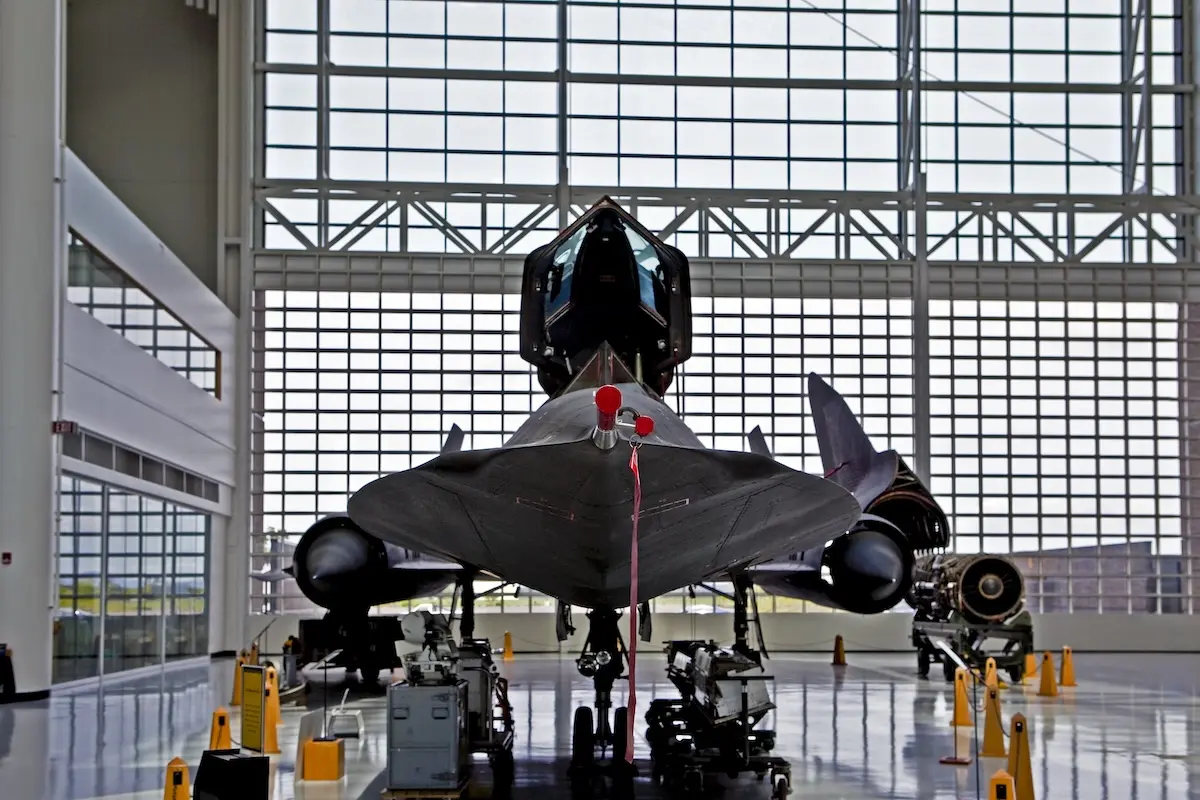
Virginia
Aerospace Corridor
Virginia Air & Space Science Center + Wallops Flight Facility
Virginia’s aerospace corridor highlights NASA’s ongoing launch and research operations. The Virginia Air & Space Science Center serves as the visitor hub for NASA Langley Research Center, focusing on aeronautics, atmospheric science, and engineering innovation. The Wallops Flight Facility Visitor Center adds a launch-focused perspective, emphasizing sounding rockets, satellite deployment, and mission testing. This destination works especially well for high school students interested in applied physics, aerospace engineering, and real-world NASA missions.
Rocket City, Alabama
U.S. Space & Rocket Center + Space Camp
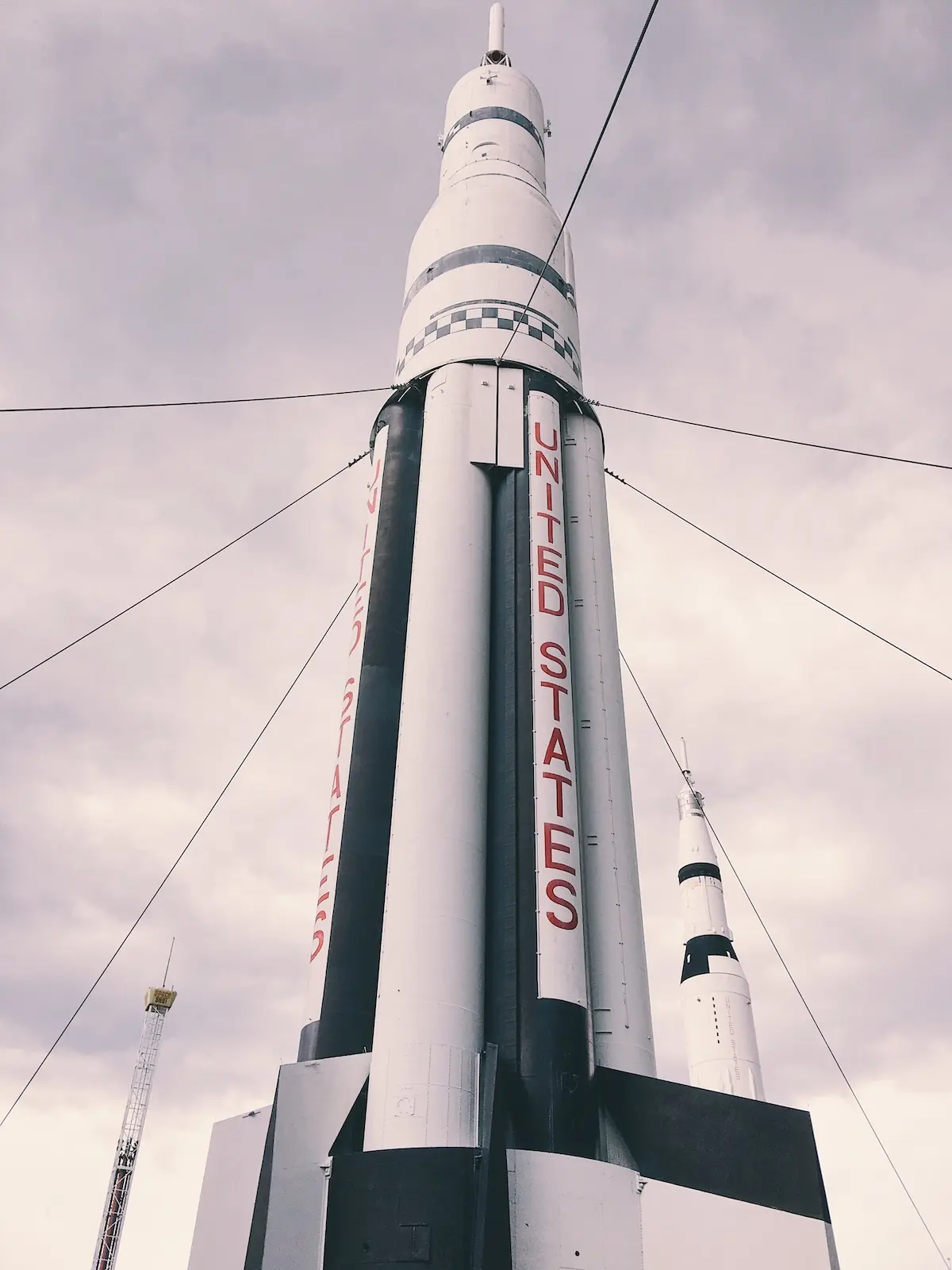
Huntsville, Alabama, known as “Rocket City”, offers one of the most immersive space education experiences available. The U.S. Space & Rocket Center showcases rockets, engines, and exhibits tied directly to NASA’s Marshall Space Flight Center. Multi-day Space Camp programs allow students to participate in simulated missions, teamwork challenges, and astronaut-style training. This destination is ideal for groups seeking a deeply hands-on, high-engagement STEM experience that blends learning with leadership development.
Visit Top Attractions for NASA & Astronomy School Trips
ETA regularly builds itineraries around these premier space and astronomy destinations:
Space Center Houston
(Houston, TX)
Kennedy Space Center
(Orlando, FL)
U.S. Space & Rocket Center
(Huntsville, AL)
NASA Goddard Visitor Center
(Washington, DC area)
Virginia Air & Space Science Center & NASA Wallops Visitor Center
(Virginia)
INFINITY Science Center
(Pearlington, MS)
NASA Glenn Visitor Center
(Cleveland, OH)
NASA Jet Propulsion Laboratory (JPL)
(Los Angeles, CA — tour availability dependent)
Craft the Curriculum
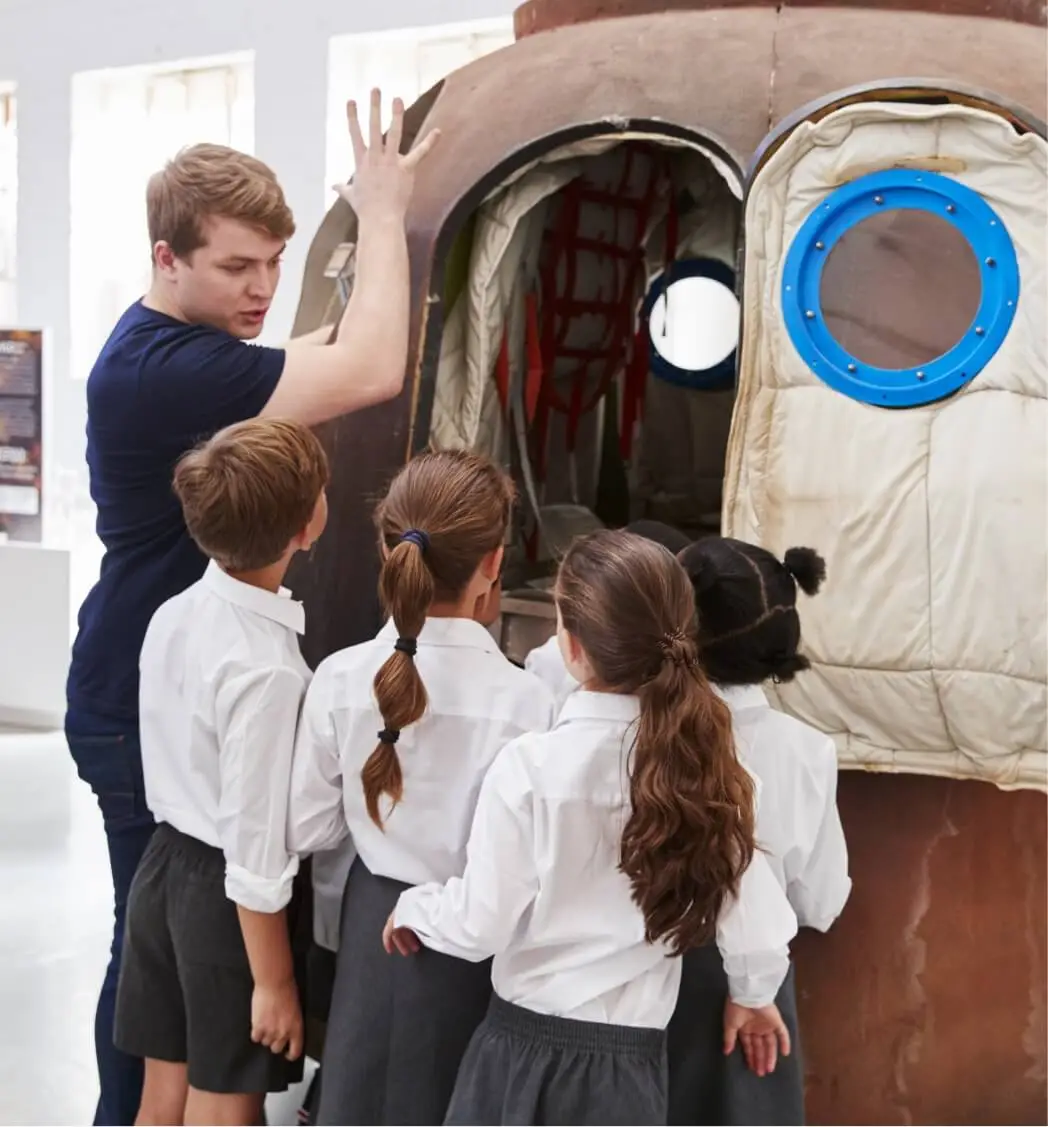
Planning A Space Science Student Trip by Grade Level
Middle School (Grades 6–8)
These destinations balance hands-on learning for kids with engaging, age-appropriate exhibits:
- Kennedy Space Center
- Space Center Houston
- U.S. Space & Rocket Center
- Smithsonian National Air & Space Museum
- NASA Jet Propulsion Laboratory (when available)
High School (Grades 9–12)
These programs emphasize engineering, research, and real-world applications:
- NASA Jet Propulsion Laboratory (advanced tours)
- NASA Goddard science and Earth-systems programming
- Wallops Flight Facility (launch and mission focus)
- Kennedy Space Center (engineering and mission design)
- Space Center Houston (mission operations and astronaut training)
Best Astronomy Observatories & Planetariums for School Trips
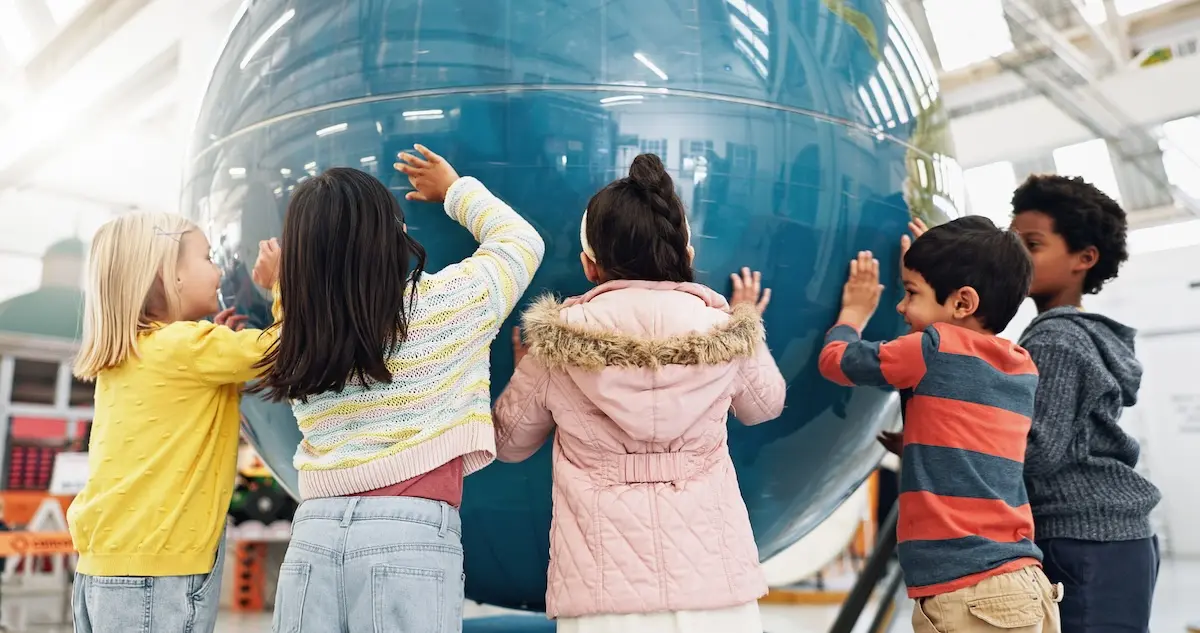
Astronomy-focused itineraries can include some of the nation’s most respected observatories and planetariums:
- Smithsonian National Air & Space Museum — Washington, DC
- Griffith Observatory — Los Angeles, CA
- Palomar Observatory — San Diego County, CA
- Kitt Peak National Observatory — Tucson, AZ
- Lowell Observatory — Flagstaff, AZ
These sites provide powerful nighttime observation opportunities, planetarium shows, and astronomy-focused educational programming that complements NASA-center visits.
NASA & Astronomy School Trip Planning FAQs
What grade levels are NASA & Astronomy school trips best suited for?


NASA and astronomy school trips are ideal for middle school and high school students, with programming that can be customized by age and academic level. Middle school trips typically focus on hands-on discovery and foundational STEM concepts, while high school programs emphasize engineering, mission operations, and real-world science applications.
Do students get access to actual NASA facilities?
Many itineraries include visits to official NASA visitor centers and, when available, behind-the-scenes or guided experiences connected to active research facilities. Access varies by location and security protocols, but ETA works to secure the most educational and engaging experiences possible for each group.
Can trips include hands-on or interactive STEM space experiences?
Absolutely. Many destinations offer simulations, labs, engineering challenges, astronaut training experiences, and mission-based learning. Multi-day programs such as Space Camp or science workshops can be added to deepen engagement and reinforce classroom learning.
How far in advance should we plan a NASA or astronomy school trip?
It’s recommended to begin planning at least 6–9 months in advance, especially for popular destinations like Kennedy Space Center, Space Center Houston, or JPL. Early planning helps secure preferred dates, specialized programming, and group accommodations.
Are launch viewings guaranteed on Space Coast trips?
Rocket launch viewings are dependent on NASA and commercial launch schedules and are never guaranteed. When available, ETA builds launch opportunities into the itinerary and provides educational alternatives when schedules change, ensuring a valuable learning experience regardless.
What safety and supervision measures are in place for student groups?
Student safety is a top priority. ETA provides experienced tour managers, vetted transportation providers, secure accommodations, and clear chaperone guidelines. Detailed pre-trip planning ensures smooth logistics and proper supervision throughout the tour.
Can astronomy observatories and planetariums be added to NASA-focused trips?
Yes. Many NASA school trips can be enhanced with visits to observatories and planetariums such as Griffith Observatory, Kitt Peak, Lowell Observatory, or the Smithsonian National Air & Space Museum. These additions help students connect space exploration with astronomical observation and research.
What other STEM Programs do you provide beyond NASA and space science?
In addition to NASA and astronomy experiences, Educational Travel Adventures offers a wide range of STEM school trips that span science, technology, engineering, mathematics, and emerging career pathways. Our STEM programs include engineering and robotics trips, environmental and sustainability studies, medical and health science programs, computer science and technology tours, and innovation-focused experiences at research institutions, universities, and industry hubs. These trips are designed to be hands-on, curriculum-aligned, and adaptable for middle school and high school groups, helping students explore real-world STEM applications and careers beyond space science.
Launch Your NASA & Space Science
School Trip
Ready to give your students an out-of-this-world learning experience? Partner with Educational Travel Adventures to build a custom NASA & Astronomy School Trip that connects classroom STEM concepts with real space science, engineering, and exploration.