
Planning a school tour overseas is one of the most rewarding experiences you can offer your students.
School trips abroad bring your classroom to life to life, broadens your students’ world perspective, and encourages independence and understanding of other cultures. build global awareness, and foster independence and cultural understanding.
At the same time, organizing international student trips can feel overwhelming. Between logistics, safety planning, budgeting, and parent communication, there are many details to manage.
With a clear structure and the right support, planning a school tour abroad can be both manageable and successful.
Here is an 8 step-by-step guide to help you get started.
1. Plan for your Student’s Age Group
Before choosing a destination or building an itinerary, clarify who you are traveling with. The age of your students will influence nearly every planning decision.

Why age matters:
- Pacing and daily schedule
- Activity selection
- Supervision ratios
- Safety considerations
- Meal planning and accommodations
- Level of independence
*Planning Tip: Aligning your program with your students’ age and maturity level leads to better engagement, smoother logistics, and a more meaningful educational experience.
Middle School
Educational tours for middle school students should be thoughtfully paced and highly engaging. Middle school groups typically benefit from:
- Structured, well-paced days
- Interactive, activity-based learning
- Cultural exposure balanced with fun.
- Clearly defined behavioral expectations
- Consistent chaperone supervision
At this age, engagement and energy management are especially important. Programs should keep students actively involved while maintaining a strong educational focus.
High School
Trips for high school students can move at a faster pace and dive more deeply into academic content. High school students can manage:
- Longer touring days
- Deeper academic content
- Career exploration opportunities
- Service-learning components
- Increased independence within clear guidelines
This age group often responds well to immersive workshops, discussions, and experiences that connect directly to future academic or professional goals.
University and Higher Education
Higher education travel often includes university partnerships, faculty-led travel programs and workshops, research visits, and career exposure experiences. College and university groups typically require:
- Advanced academic integration
- Discipline-specific programming
- Professional site visits
- Industry networking opportunities
- Flexible scheduling
These programs can move at a faster pace and explore subject matter in greater depth.
Defining your student age group early ensures your itinerary, expectations, and support systems align with the developmental stage of your travelers and sets the tone for a successful experience.
2. Identify Your Curriculum Focus
Student overseas trips should extend learning beyond sightseeing. It should support intentional academic objectives.
Start by asking: What do I want my students to gain academically from this experience?
Common curriculum focuses for overseas school trips:
Language Immersion
- Local school visits
- Cultural workshops
- Guided city explorations in the target language
Art and Art History
- World-renowned museums
- Architecture tours
- Artist-led workshop
- Historical site studies
History and Social Studies
- Landmark historical sites
- Guided walking tours
- Cultural institutions
- Government site visits
Performance Tours
- Student performances abroad
- Workshops with professionals
- Performance exchanges
- Live performance attendance
Performing Arts
- Workshops with professionals
- Music, dance, or theater masterclasses
- Rehearsal exchanges
- Skill development sessions
STEM
- Science museums
- Innovation centers
- Sustainability programs
- University lab visits
- Engineering workshops
Environment & Sustainability
- Ecosystem and biodiversity studies
- Conservation projects
- Sustainability workshops
- Field-based learning
Adventure Trips
- Outdoor adventure activities
- Team-building experiences
- Confidence-building challenges
- Exploration of natural landscapes
Clearly defining your curriculum focus helps narrow destination choices, strengthen your proposal to administration, communicate value to parents, and create compelling marketing messaging. Learn more about our curriculum-based student tours.
When educational goals are clearly outlined, the itinerary becomes purposeful and cohesive.
3. Choose the Right Destination For Your Overseas School Trip
Once you have defined your student age group and curriculum focus, the next step is selecting a destination that aligns with your learning objectives.
Certain regions consistently stand out for educational travel due to their history, accessibility, infrastructure, and academic relevance.
Europe: A Top Choice for Educational Travel
Europe remains one of the most popular destinations for overseas school trips. Educational trips to Europe offer a unique combination of history, culture, accessibility, and academic depth. Its compact geography, strong transportation networks, and concentration of cultural landmarks make it especially well suited for student groups.
Popular European countries for school trips include:

Italy – Class trips to Italy areideal for art history, architecture, history, performing arts, and language programs. Cities like Rome, Florence, and Venice offer living classrooms filled with world-renowned landmarks.
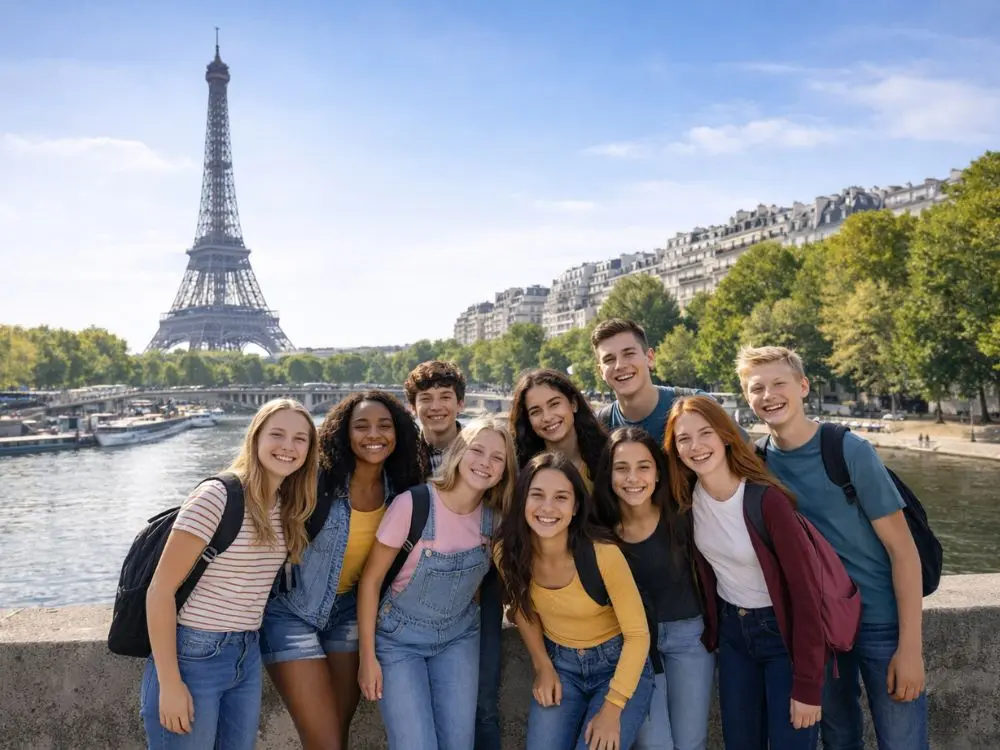
France – Student tours to France areperfect for language immersion, art, culinary studies, fashion, and history. Paris provides extensive academic connections, from the Louvre to historical walking tours.
Spain – Educational tours to Spain are a strong choice for Spanish language programs, cultural studies, history, architecture and the arts. Barcelona and Madrid offer rich cultural immersion opportunities.
United Kingdom – School trips to the United Kingdom offer options for literature, theatre, history, government, and performing arts programs. London’s museums, live theatre scene, and historical institutions create powerful educational moments.
One of Europe’s advantages is the ability to visit multiple countries within a single itinerary, allowing students to compare cultures and historical perspectives in one program.
Costa Rica: Sustainability and Environmental Learning
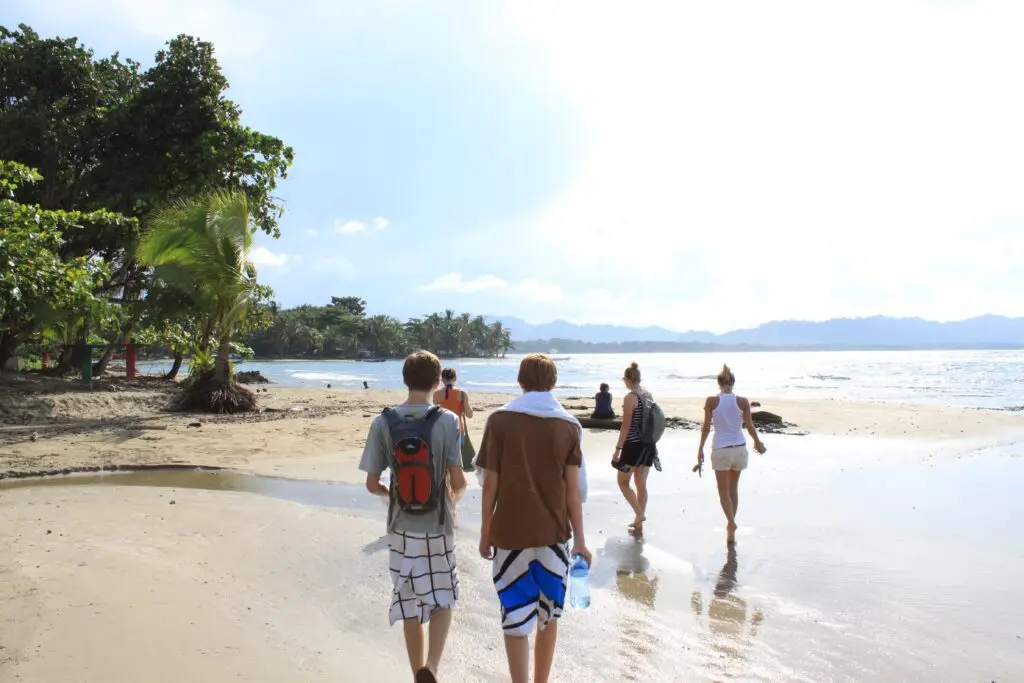
Costa Rica is a leading destination for schools focused on environmental science, sustainability, and experiential learning. School trips to Costa Rica combine hands-on ecological study with immersive cultural experiences in one of the most biodiverse regions in the world.
This Central American country offers:
- Biodiversity and rainforest ecosystems
- Conservation programs and wildlife reserves
- Hands-on sustainability initiatives
- Service-learning opportunities
- Outdoor adventure
Students can explore volcanoes, study marine biology, participate in conservation projects, and learn about eco-tourism practices firsthand. Costa Rica is especially popular for STEM, environmental science, and leadership-focused programs.
Its proximity to the United States also makes it a manageable international option with shorter flight times than transatlantic destinations.
Japan: Innovation, Culture, and Global Perspective
Japan offers a dynamic blend of tradition and cutting-edge innovation, making it an exciting destination for a variety of academic disciplines. Student trips to Japan provide a unique opportunity to explore advanced technology, rich cultural traditions, and global economic influence within a single immersive experience.

Japan is particularly well suited for:
- STEM and technology programs
- Engineering and robotics
- Business and global economics
- Cultural studies
- Language immersion
Students can explore advanced technology hubs in Tokyo, study traditional arts in Kyoto, and experience a culture that balances history and modern innovation.
Japan provides a powerful global perspective and is an excellent option for high school and university-level groups seeking deeper academic integration.
Canada: An Accessible International Student Travel Destination
For schools seeking international student tours closer to home, Canada offers an outstanding alternative. Educational tours to Canada provide global perspective, cultural diversity, and strong academic connections without the need for long-haul travel.
Benefits of Canada include:
- Reduced travel time from many U.S. cities
- No transatlantic flights
- Strong safety reputation
- Cultural diversity
- High-quality educational institutions
Popular Canadian school trip destinations include:
Toronto – Toronto school trips are an excellent choice for STEM programs, multicultural studies, business, and urban development. As Canada’s largest city, Toronto offers access to innovation centers, diverse neighborhoods, and world-class museums.
Montréal – A Montréal class trip is ideal for French language immersion, history, arts, and cultural studies. The city blends European charm with North American energy, offering authentic language practice and rich cultural experiences.
Quebec City – Educational trips to Quebec provide a unique opportunity to explore French heritage and colonial history. With its historic Old Town and strong Francophone culture, Quebec City offers an immersive experience that feels distinctly European.

Canada provides a global perspective with simpler logistics, and without the jet lag, making it especially appealing for first-time international school travel programs or younger student groups.
4. Decide: Plan It Yourself or Partner with an International Educational Travel Company
Once your vision is clear, the next step is deciding how you will execute your teacher-led travel program.
Option 1: Plan It Yourself

Some educators choose to coordinate all elements independently.
This approach offers:
- Full control over vendors and pricing
- Direct communication with suppliers
- Flexible customization
However, independent planning also requires managing:
- Flights and ground transportation
- Hotel contracts
- Tour guides and activity bookings
- Insurance coverage
- Risk management planning
- Emergency protocols
- Payment collection
- Travel document management
This route is possible, but it requires significant time and attention to detail and can be challenging alongside existing teaching responsibilities.
Option 2: Work with a Reputable International Student Travel Company
Partnering with an experienced educational tour company can simplify the process considerably.
Professional student travel companies typically provide:
- Itinerary development
- Established international partners
- Safety and risk management planning
- Insurance guidance
- Emergency support
- Structured payment systems
- Administrative assistance
There are many educational travel companies to choose from, but they are not all the same. Differences can include the level of customization offered, whether you can book a private student tour or not, safety protocols, transparency in pricing, quality of accommodations, on-the-ground support, and the experience of their international partners. Some companies focus primarily on volume and standardized tours, while others specialize in tailored programs aligned with specific curriculum goals.
Understanding these distinctions is important when selecting a partner who aligns with your school’s expectations and educational objectives.

If you are evaluating your options, this guide can help:
👉 Finding the Best Student Travel Company for Your Needs: A Complete Guide
5. Finalize Your Itinerary, Pricing and Secure Administrative Approval
Once your planning structure is in place, formalize the details.
Build a Detailed Itinerary
Your draft should include:
- Daily schedules
- Major excursions and workshops
- Guided tours and activities
- Define transfers and transfer methods
- Cultural experiences
- Travel days
- Meal inclusions
A well-structured itinerary keeps your trip organized and ensures students stay engaged throughout the experience. It also helps communicate clear expectations to both families and administrators.
Establish Pricing
Ensure your budget accounts for:
- Flights
- Hotels
- Meals
- Entrance fees
- Guides
- Insurance
- Contingency planning
Setting a clear student price and payment schedule early helps families plan ahead and reduces confusion. Transparent pricing also builds trust and supports stronger enrollment.
Prepare for Administrative Review
Schools require formal approval. Prepare to present:
- Educational objectives
- Safety plan
- Emergency response plan
- Risk assessment procedures
- Chaperone ratios
- Financial breakdown
- Communication timeline
Safety should be central to your proposal. When administrators see that safety and structure are clearly defined, approval is more likely. ETA’s Focus on Safety outlines key considerations for school trips abroad.
Once your trip is approved, the next step is building interest and guiding students and families through the sign-up process.
6. Market Your Trip and Drive Student Sign-Ups
Once your trip is approved, the next phase has two goals: generate excitement and convert interest into confirmed enrollments.
Marketing Your Student Trip
Start by building awareness and enthusiasm among students and families.
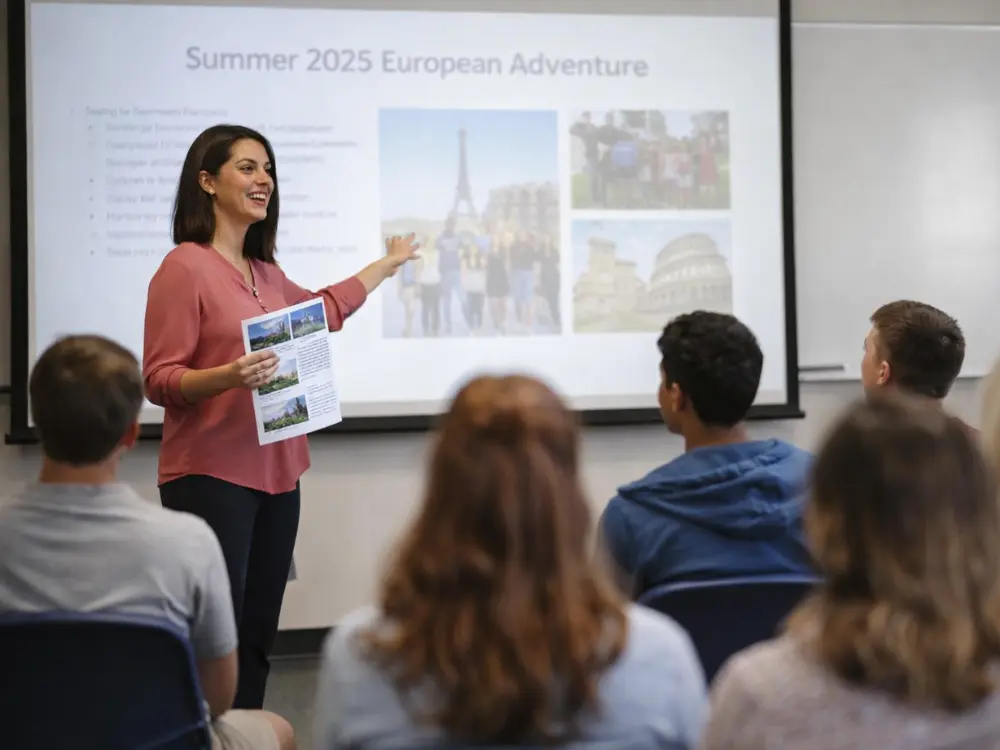
Effective promotion strategies include:
- Hosting a parent information night
- Holding a student interest meeting
- Sending email announcements
- Distributing flyers and having parents sign them as homework assignments to ensure they saw them
- Featuring the trip on your school website
- Posting on school social media when appropriate
When marketing your trip, be clear about the value of the experience. Families want to understand the educational and personal benefits, as well as the financial investments.
Highlight:
- Academic connections to the curriculum
- Unique cultural experiences
- Skill development opportunities
- Safety planning and supervision
- Payment flexibility
Clear messaging builds confidence and answers questions before they are asked. *Planning Tip: Early communication and consistent follow-up are key to building strong participation.
For more detailed strategies, ETA’s Trip Promotion 101 guide offers practical tools and messaging ideas.
Managing Enrollment, Payments, and Paperwork
Once families express interest, the focus shifts to ensuring they sign up, organization and follow-through.
This stage includes:
- Collecting enrollment commitments
- Establishing payment schedules
- Gathering travel documents
- Managing waivers and required forms
- Maintaining clear communication
Without a structured system, this phase can quickly become overwhelming.
When working with ETA, trip leaders have access to the ETA Trip Portal.
It helps streamline logistics by:
- Collecting student payments
- Managing required travel documents
- Housing waivers and paperwork
- Centralizing communication
- Managing student dietary needs and restrictions
Instead of tracking forms and payments across multiple spreadsheets and email threads, everything is organized in one platform.

For many educators, having a centralized system significantly reduces administrative stress and ensures nothing falls through the cracks.
7. Launch a Fundraising Program
Cost can be a barrier for some families. Structured fundraising can make student trips abroad more accessible.
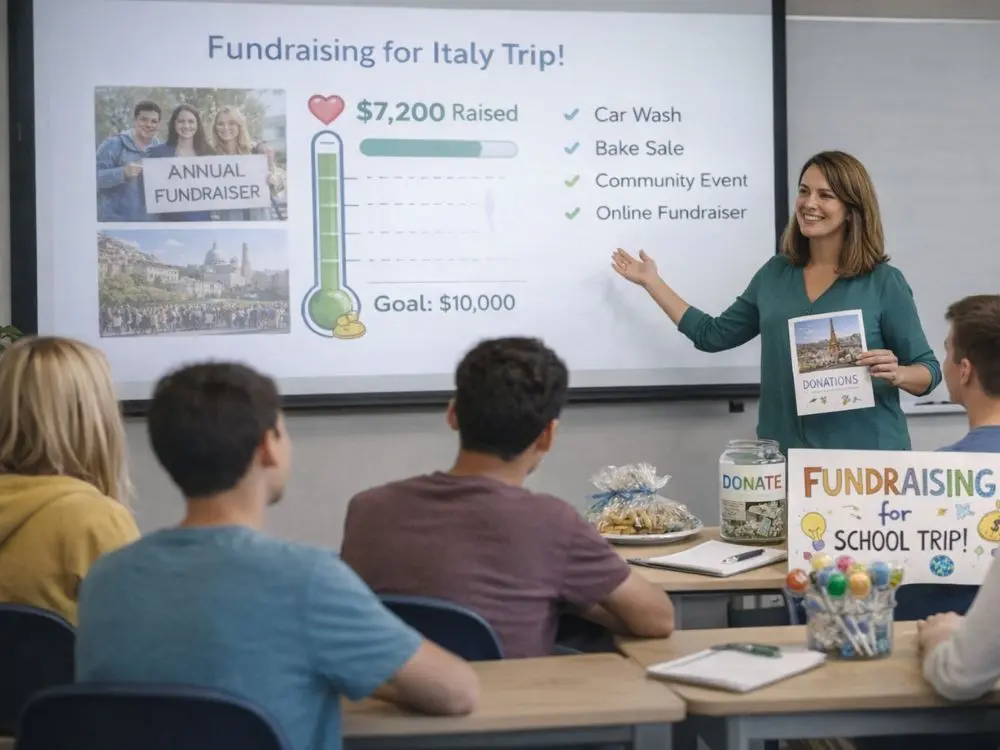
Popular fundraising approaches include:
- Product-based campaigns
- Community events
- Sponsorship letters
- Partnerships with local businesses
- Online crowdfunding platforms
The most successful programs:
- Start early
- Set clear financial goals
- Offer multiple participation options
- Track and celebrate progress
For practical ideas and step-by-step guidance, explore ETA’s School Trip Fundraising Guide.
Providing structured fundraising support empowers students and helps reduce financial stress on families.
8. Prepare for Departure
As departure approaches, focus on preparation and communication.
Key steps include:
- Hosting a final parent meeting
- Confirming travel documents
- Distributing packing lists
- Reviewing behavior expectations
- Conducting cultural preparation sessions
- Finalizing emergency contact procedures
Organization during this stage is essential. Tools like the ETA Trip Portal can simplify document collection and ensure all paperwork is securely stored before departure.
Thorough preparation builds confidence for students, parents, and administrators.
Conclusion
Planning student overseas trips requires thoughtful preparation, clear educational goals, and strong communication at every stage of the process. From defining your student age group and curriculum focus to selecting the right destination and managing enrollment logistics, each step plays an important role in creating a successful experience.
When approached with structure and intention, an international school trip becomes more than a trip. It becomes a powerful extension of the classroom that builds confidence, cultural awareness, and real-world understanding.
Educational travel can serve a wide range of schools, departments, and academic disciplines. To learn more about who we support, explore the full range of schools and organizations we partner with to deliver meaningful global learning experiences.
With the right planning process in place, you can confidently bring transformative global learning opportunities to your students.
🌎 Ready to request a quote? Tell us where you want to go and any specifics you’d like and we will take it from there!