
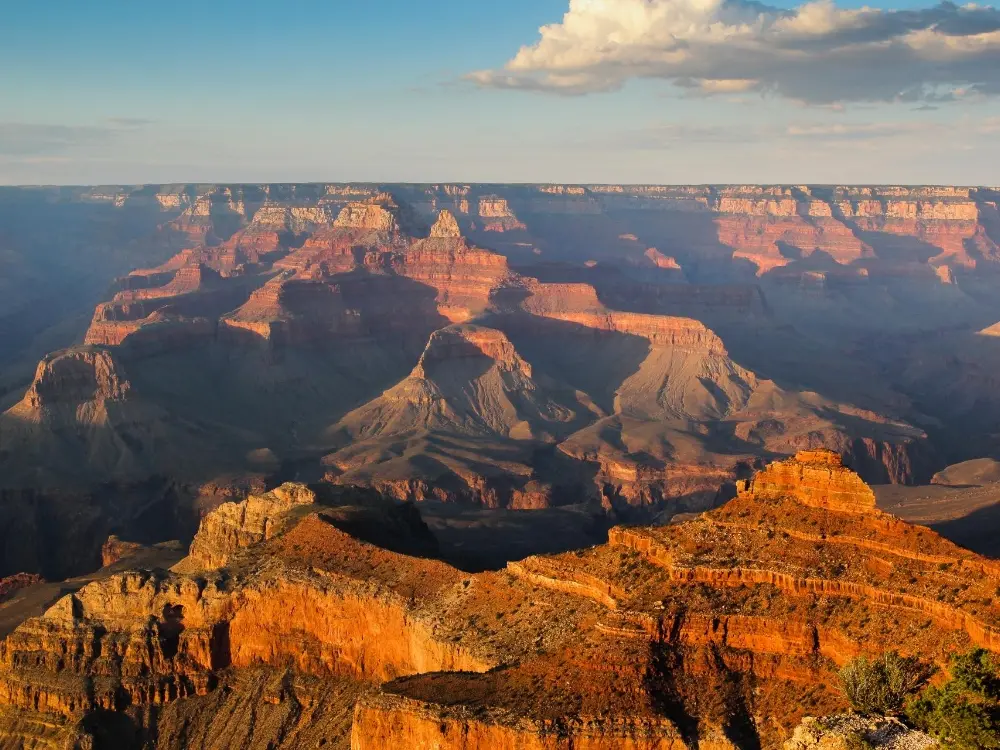
Discover the American Southwest
Grand Canyon Educational Tours
& School Trips
Educational Travel Adventures (ETA) partners with teachers and educators to plan school trips to the Grand Canyon, mostly focused around the South Rim, that are thoughtfully paced, curriculum-connected, and designed for student groups. The Grand Canyon offers student travel groups the opportunity to experience dramatic canyon overlooks, accessible walking paths, and meaningful learning in geology, ecology, conservation, and Indigenous history. Many itineraries also extend to destinations such as Williams, Page, Antelope Canyon, Bryce Canyon, Zion, and Moab for a broader exploration of the Colorado Plateau.
Grand Canyon Student Travel Made Easy
Few places on Earth offer the sheer scale of natural wonder, geological drama, and Indigenous cultural depth that the American Southwest delivers. A Grand Canyon educational tour isn’t just a visit to one of the Seven Natural Wonders of the World; it’s an immersive journey through billions of years of Earth’s history, across some of the continent’s most breathtaking landscapes, and into the living traditions of the Native peoples who have called this land home for thousands of years.
Whether your group is focused on Earth science, environmental studies, ecology, Indigenous history, photography, or simply the awe-inspiring power of the natural world, the Southwest has more to offer than any single itinerary can contain. Educational Travel Adventures crafts fully customized Grand Canyon school trips that span as many, or as few, of these extraordinary destinations as your schedule and goals allow. Many groups combine the Grand Canyon with nearby wonders like Lake Powell, Antelope Canyon, Bryce Canyon, Zion National Park, and even Arches National Park in Moab, Utah for an unforgettable multi-destination adventure.
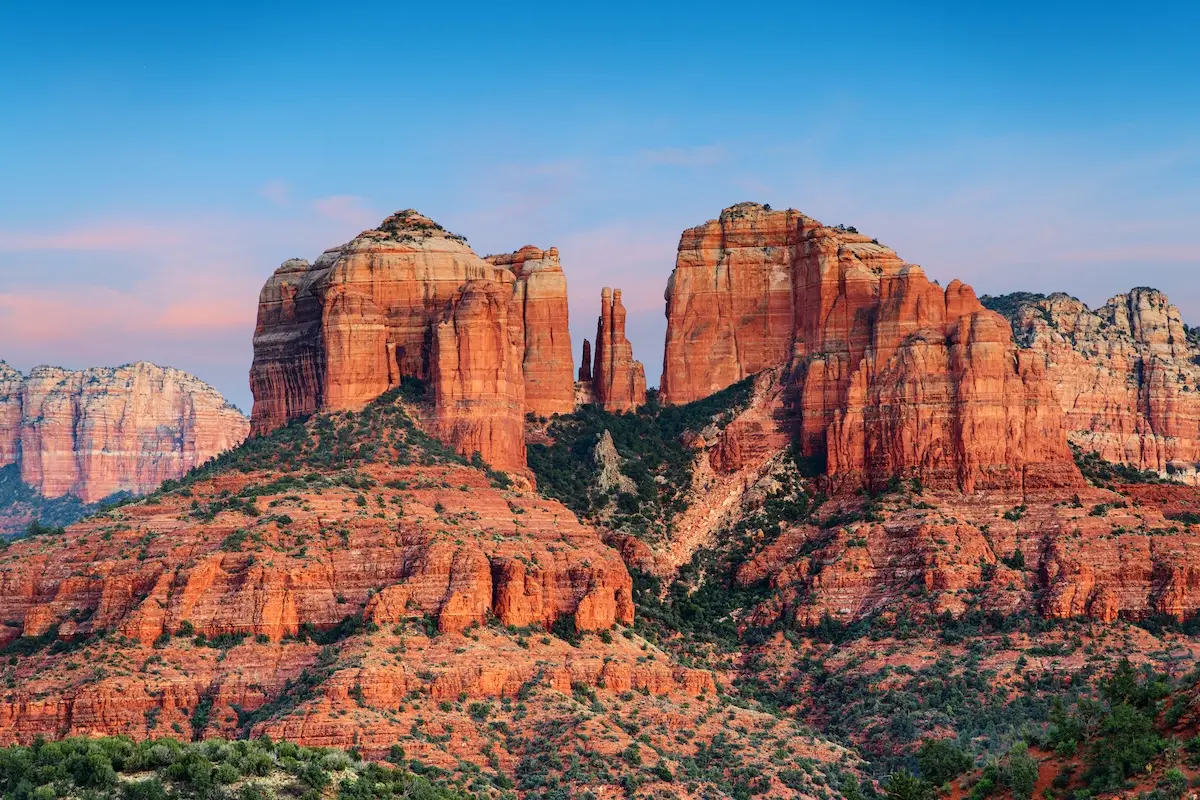
Sedona & the Red Rocks: Geology, Art & Indigenous Heritage
Most Grand Canyon school trips begin (or end) in Sedona, Arizona, and with good reason. Its iconic red rock formations are among the most dramatic landscapes in North America, shaped from Permian-era Schnebly Hill sandstone deposited over 300 million years ago when the region lay beneath an inland sea. For Earth science and geology curricula, Sedona is essentially a living textbook. Beyond geology, Sedona holds deep cultural significance as the ancestral homeland of the Yavapai-Apache Nation and other Indigenous peoples. Student groups can visit Palatki or Honanki Heritage Sites to see cliff dwellings, pictographs, and petroglyphs that offer a window into indigenous life. The town itself is also a thriving arts community, with galleries featuring Southwest art, Native crafts, and contemporary work inspired by the landscape. Just north of town, Oak Creek Canyon along Route 89A adds another layer of learning, with opportunities to explore riparian ecosystems, desert biodiversity, and striking geological transitions as you climb toward Flagstaff.
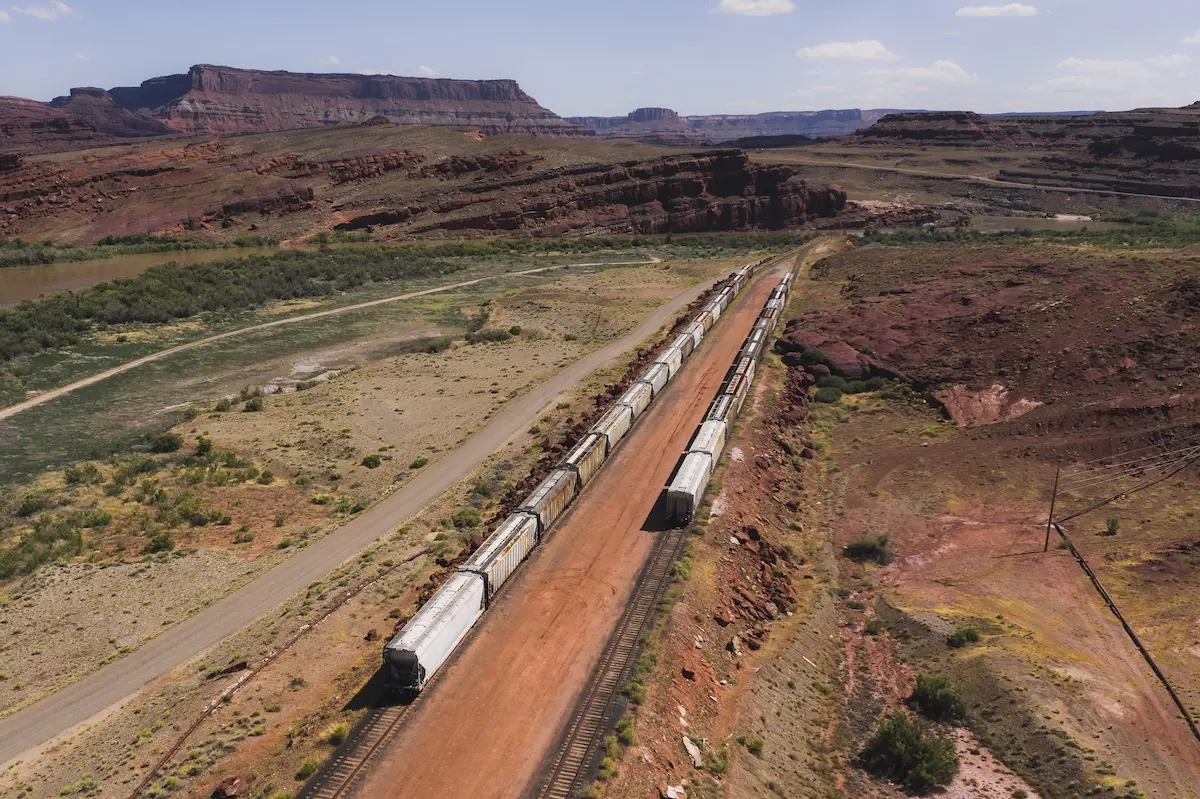
All Aboard: The Grand Canyon Railway from Williams
One of the most memorable parts of a Grand Canyon educational tour is the journey itself, boarding the historic Grand Canyon Railway in Williams, Arizona, for a scenic 65-mile ride through ponderosa pine forest to the South Rim. It’s more than transportation; it’s a living piece of American history. Operating since 1901, the railway gives students a direct connection to the era when the Canyon first became widely accessible, helped in part by Theodore Roosevelt, who visited in 1903 and famously declared it beyond human improvement. The ride crosses sweeping high-desert terrain and is often enhanced by costumed performers, Western music, and even the occasional mock train robbery. For student travel groups, the railway offers a strong tie-in to westward expansion, the impact of railroads, conservation history, and the early National Park system. Arriving at the historic Grand Canyon Depot only heightens the experience and sets the stage for the first view of the Canyon.
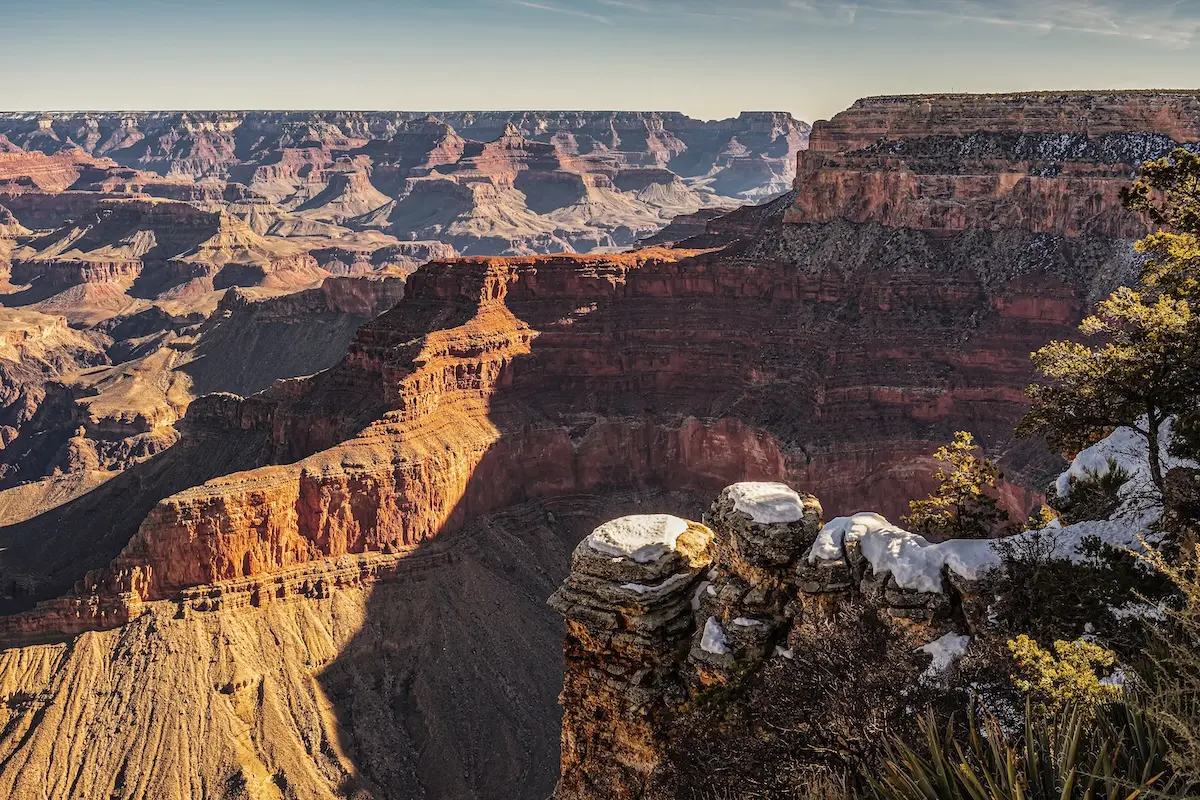
Grand Canyon National Park: One of Earth’s Great Wonders
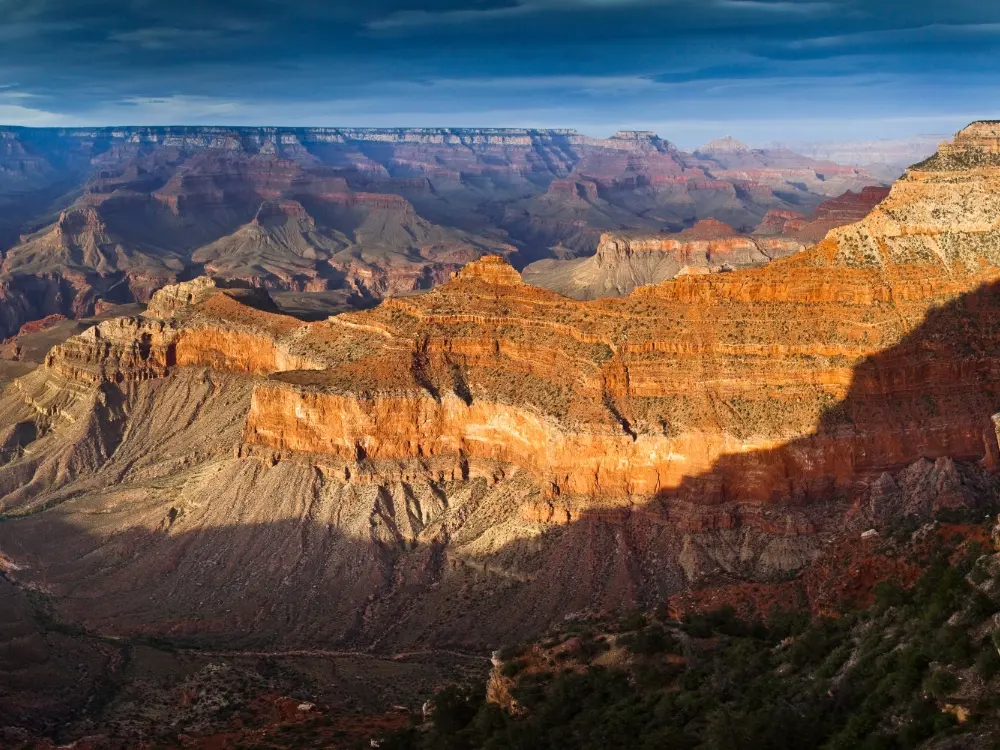
Nothing prepares students for their first view of the Grand Canyon. We focus student trips most specifically on the South Rim, which delivers the iconic panorama most travelers imagine: a vast landscape carved by the Colorado River over millions of years, with rock layers that reveal an extraordinary span of Earth’s history.
For student groups, the South Rim is both inspiring and practical. It offers accessible viewpoints, manageable rim walks, visitor facilities designed for large groups, and opportunities to explore geology, ecology, weather, conservation, and the human history of the canyon. Rather than focusing on strenuous descents below the rim, most school groups experience the canyon through scenic overlooks, interpretive stops, and time to walk along the rim and take in the scale of the landscape.
The South Rim also helps students understand the canyon as more than a geological wonder. It is part of the living cultural landscape of many Indigenous nations, whose histories and connections to the canyon remain central to understanding the region today.
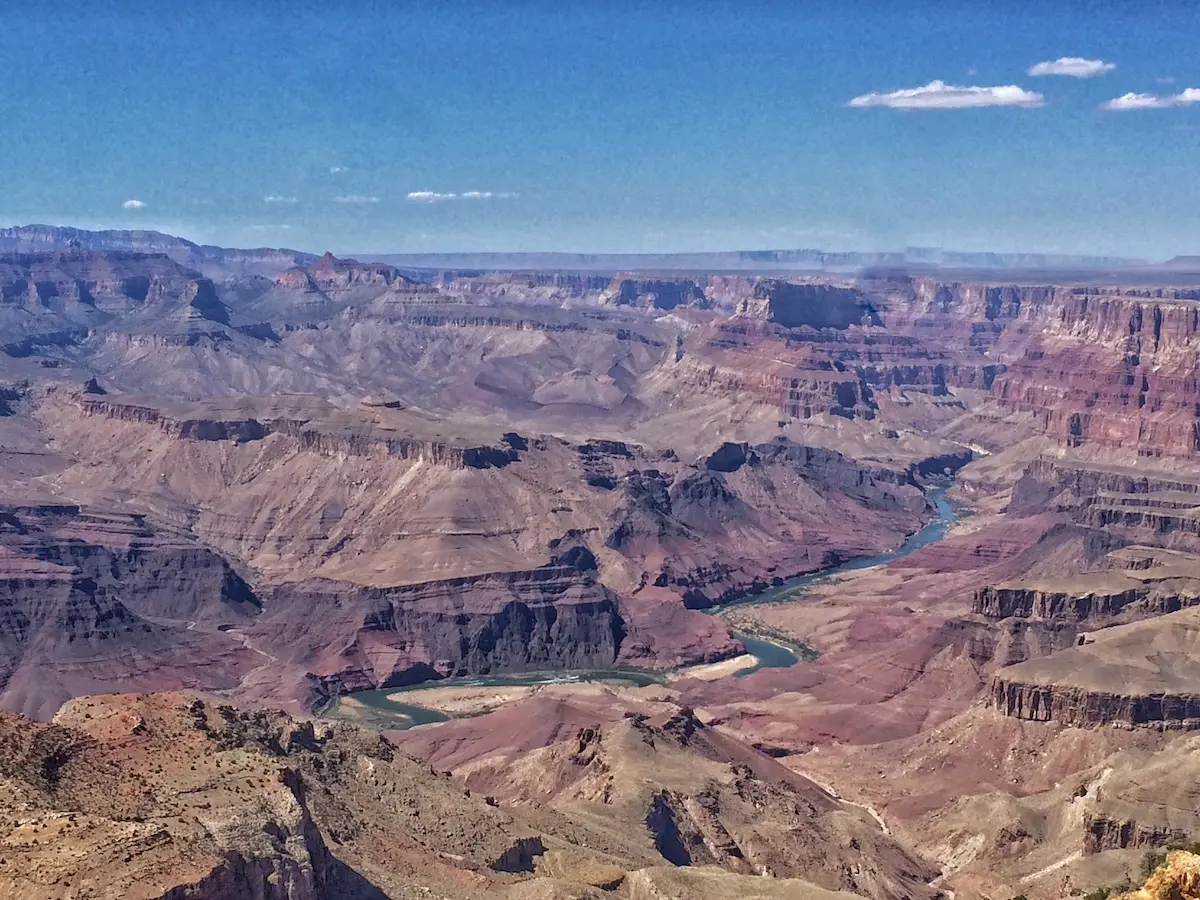
Desert View: Ancient Cultures at the Canyon’s Edge
At the eastern end of the Grand Canyon’s South Rim, Desert View offers what many visitors consider the most spectacular overlook in the entire park, and one of the most educationally rich stops on any Grand Canyon school trip. From Desert View, the Colorado River comes into view far below as it winds through the canyon, and on clear days the views stretch east toward the Painted Desert and the Navajo Nation’s sacred mesas. The centerpiece of Desert View is the Desert View Watchtower, a 70-foot stone tower designed by legendary architect Mary Colter and completed in 1932. Colter modeled the tower on the ancient watchtowers of the Ancestral Puebloans, and the interior is decorated with murals by Hopi artist Fred Kabotie depicting traditional Hopi legends and cosmology. For students, the Watchtower is a fascinating intersection of architecture, Indigenous art, cultural preservation, and early 20th-century history. Desert View is also the site of an active Intertribal Cultural Heritage Site, where representatives from the 11 tribes affiliated with the Grand Canyon gather to share their living cultures, traditions, and relationship to this sacred landscape. Student groups fortunate enough to encounter these cultural demonstrations gain an irreplaceable perspective on the canyon as a place of ongoing human meaning, not merely a geological spectacle.
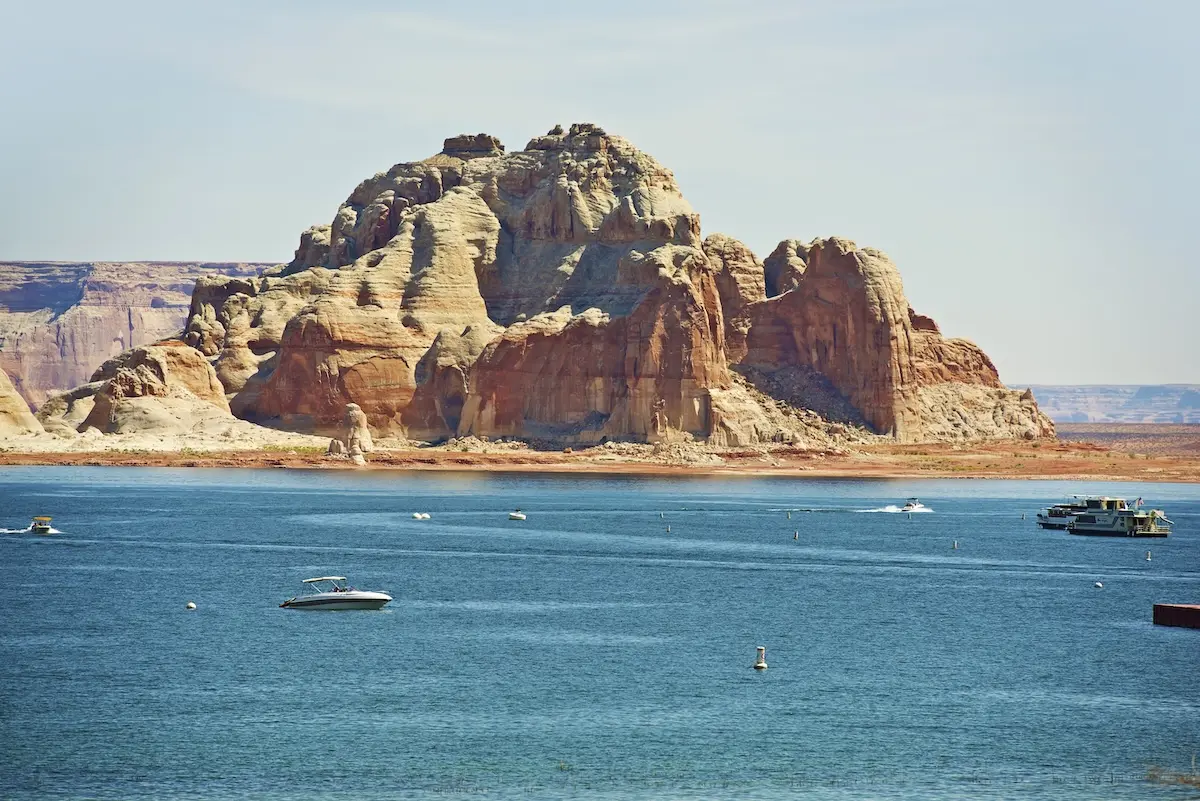
Lake Powell, Page & Glen Canyon Dam: Water, Power & the West
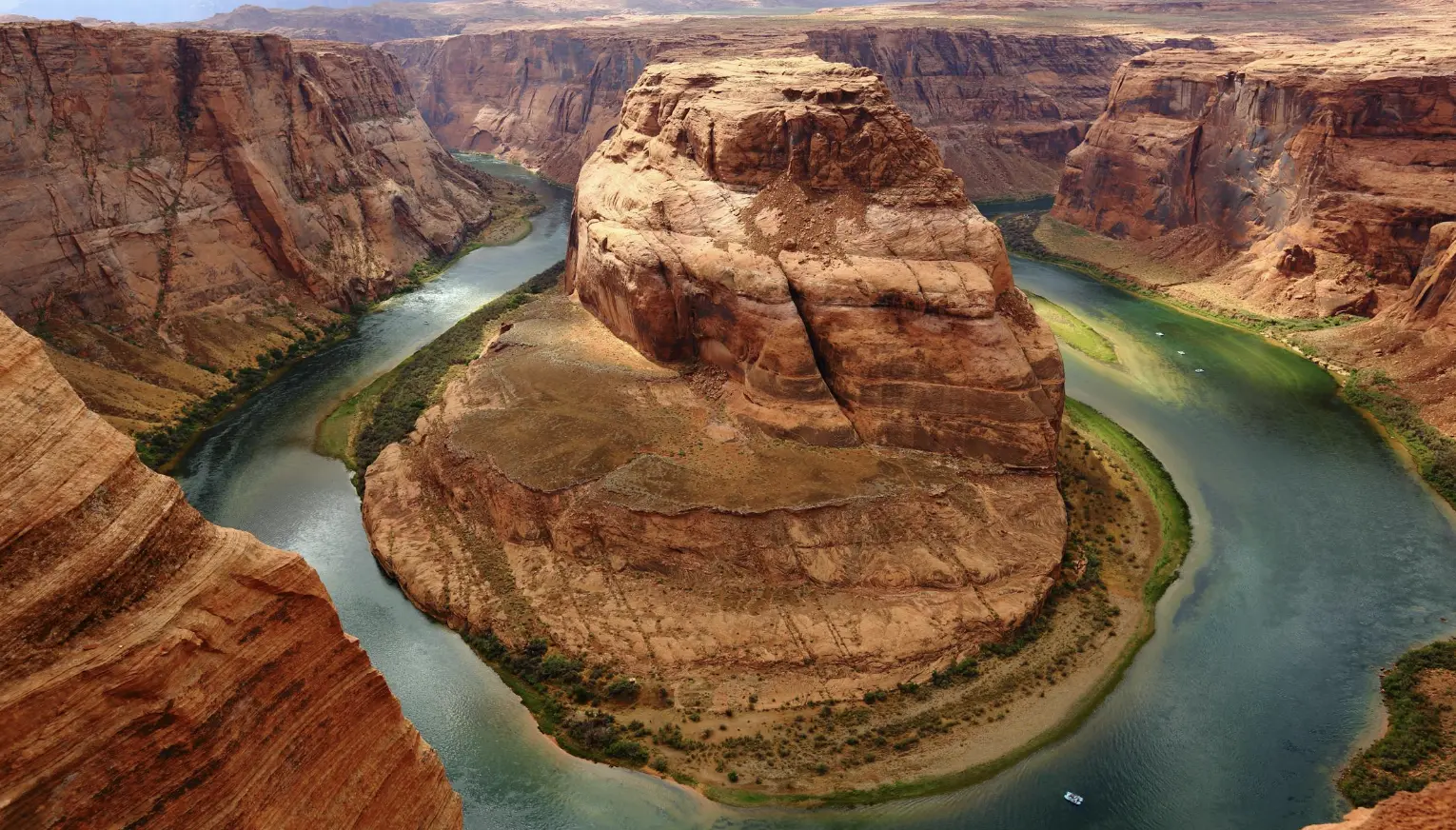
A few hours northeast of the Grand Canyon, Page sits on the edge of the dramatic Glen Canyon National Recreation Area and the striking blue waters of Lake Powell. Formed by the construction of Glen Canyon Dam in 1966, the lake stretches nearly 200 miles through winding sandstone canyons. For student groups, the dam is both an engineering marvel and a powerful teaching tool. As one of the largest concrete arch dams in the U.S., it provides hydroelectric power to millions, and guided tours offer insight into turbines, generators, and large-scale water management systems, ideal for STEM learning. At the same time, Lake Powell sits at the center of an ongoing environmental debate. The flooding of Glen Canyon, water allocation in the West, and the balance between energy, recreation, and conservation make this a compelling case study for environmental science, civics, and policy discussions.
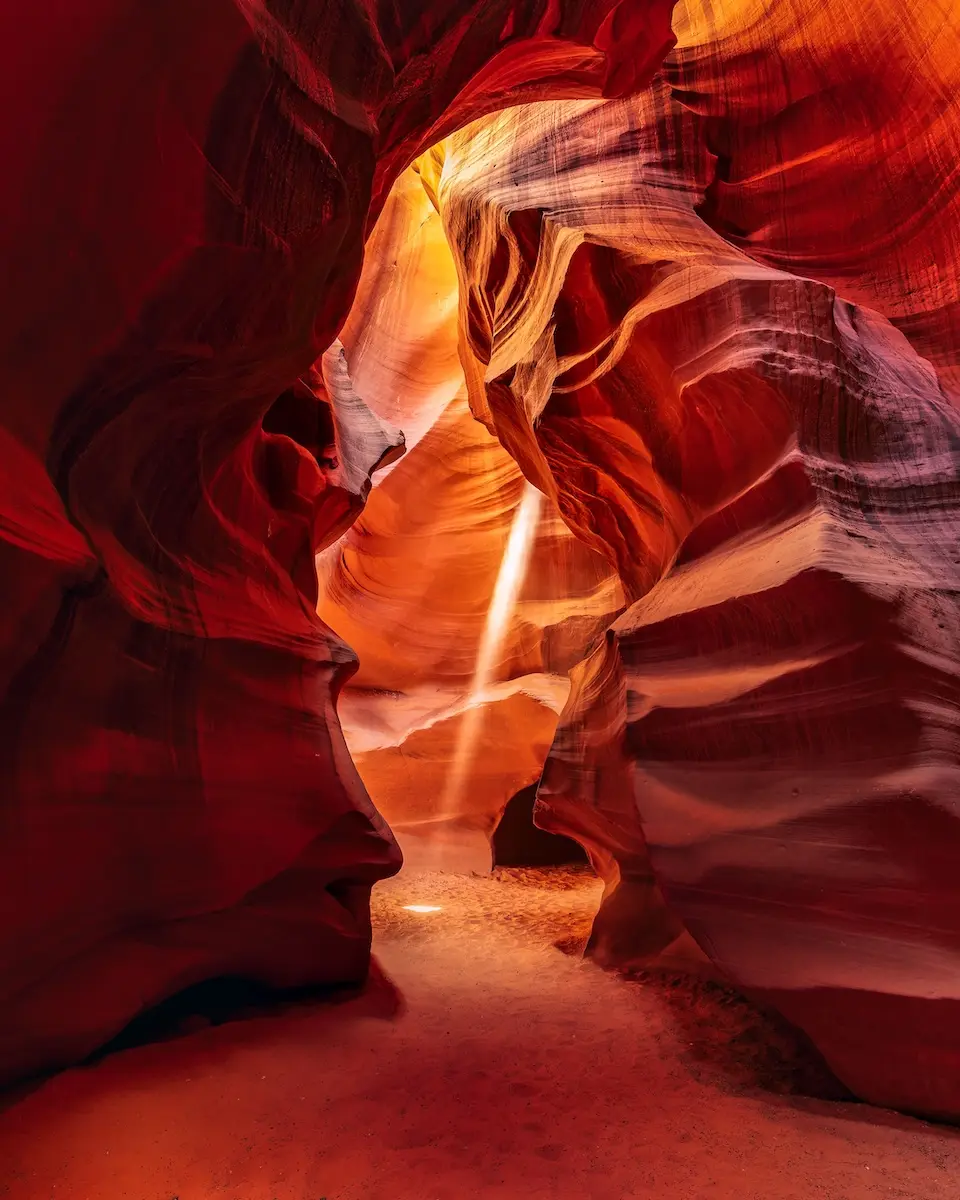
Antelope Canyon: Nature’s Most Breathtaking Slot Canyon
Just outside Page, Antelope Canyon is one of the most photographed natural wonders in the Southwest, and an unforgettable experience for students. Carved by flash floods and wind over thousands of years, its narrow sandstone walls flow in waves of orange, pink, and crimson, with light beams creating an almost otherworldly effect. Located within the Navajo Nation, the canyon is accessible only via Navajo-led tours. Upper Antelope Canyon is known for its iconic light shafts, while Lower Antelope Canyon offers a more active, ladder-filled route with equally stunning formations. For student groups, these guided tours provide both geological insight, including erosion and sedimentary processes, and meaningful cultural context, as Navajo guides share the canyon’s significance to the Diné people and the importance of Indigenous stewardship.
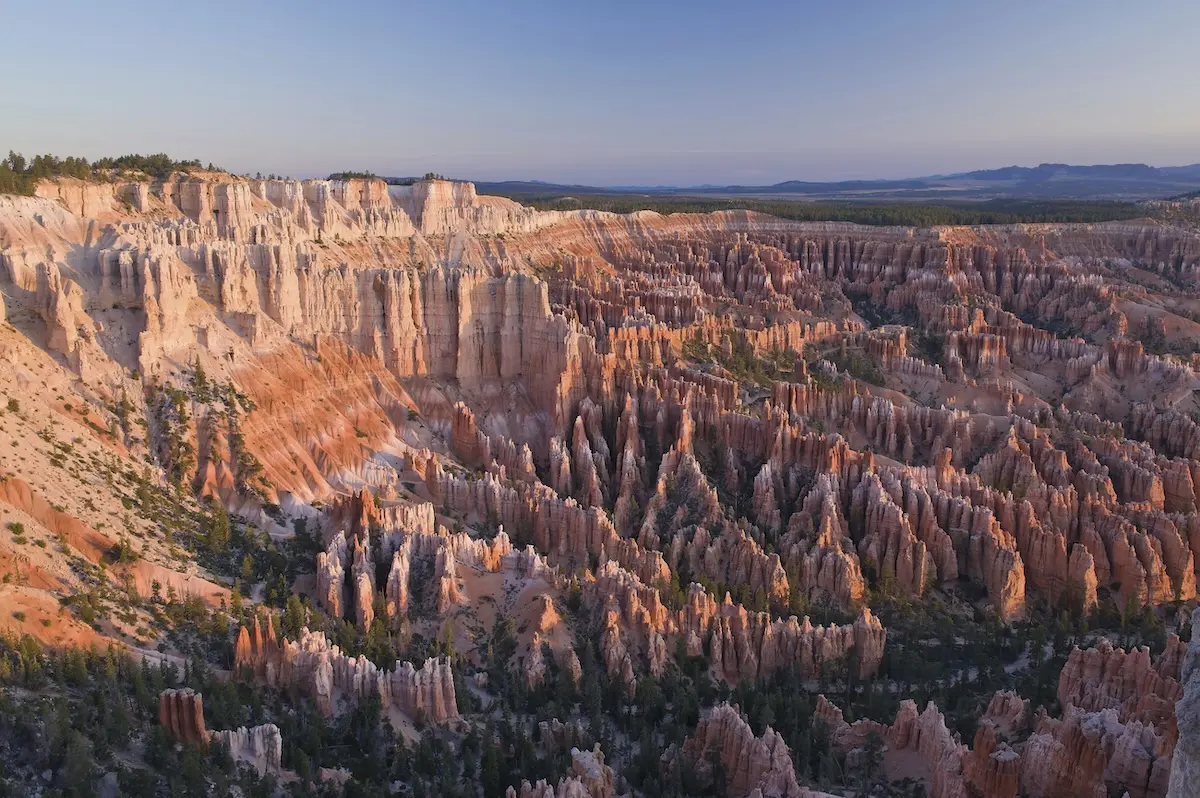
Bryce Canyon & Zion National Park: Utah’s Crown Jewels
For trips that extend into Utah, Bryce Canyon National Park and Zion National Park offer two of the most spectacular, and contrasting, landscapes in the country, despite being just 80 miles apart. Bryce Canyon isn’t a true canyon but a series of amphitheaters filled with towering limestone hoodoos, formed by freeze-thaw weathering over millions of years. At over 8,000 feet in elevation, it also features high-altitude ecosystems of pine and fir, making it an ideal setting for geology and ecology studies. Zion, by contrast, is a river-carved canyon, where the Virgin River has cut through massive sandstone cliffs. Its dramatic hikes, including Angels Landing, and more accessible trails like Riverside Walk showcase the power of erosion in shaping the landscape. Together, Bryce and Zion give students a clear, side-by-side look at how different forces (ice and water) can create vastly different, yet equally stunning, environments.
Extend Your Adventure: Moab & Arches National Park
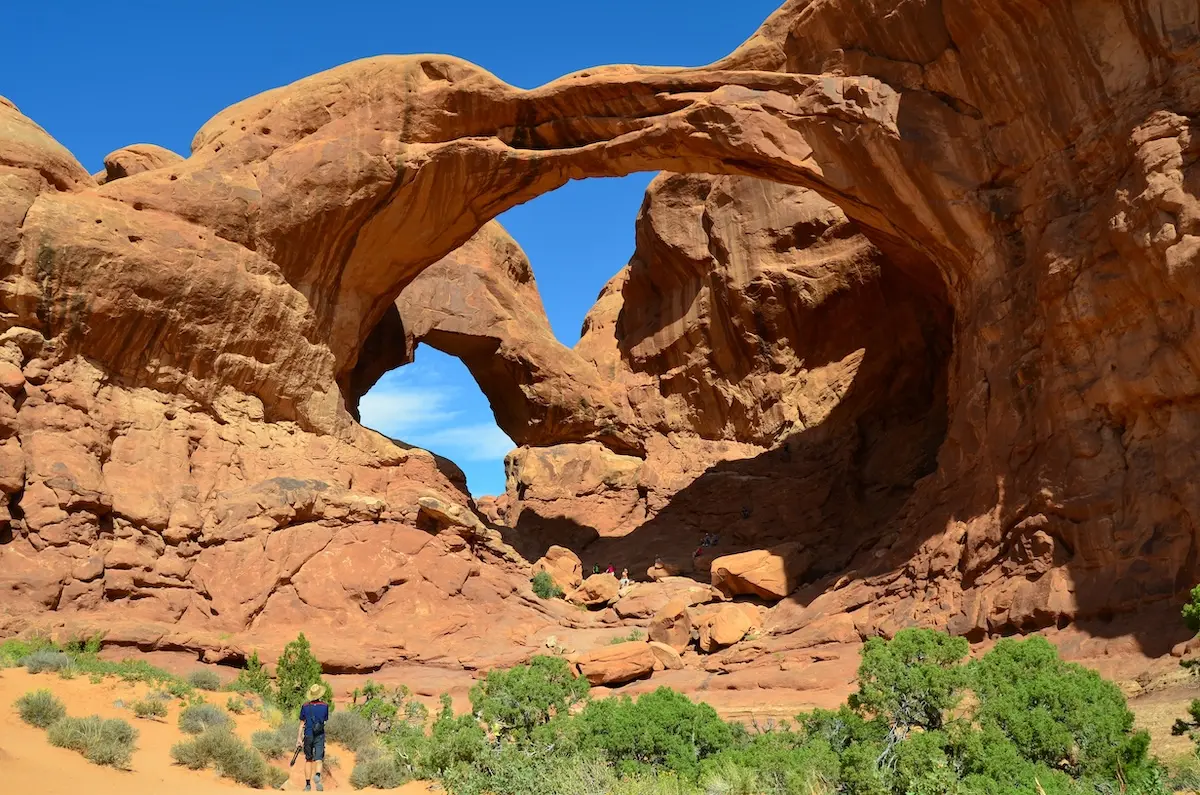
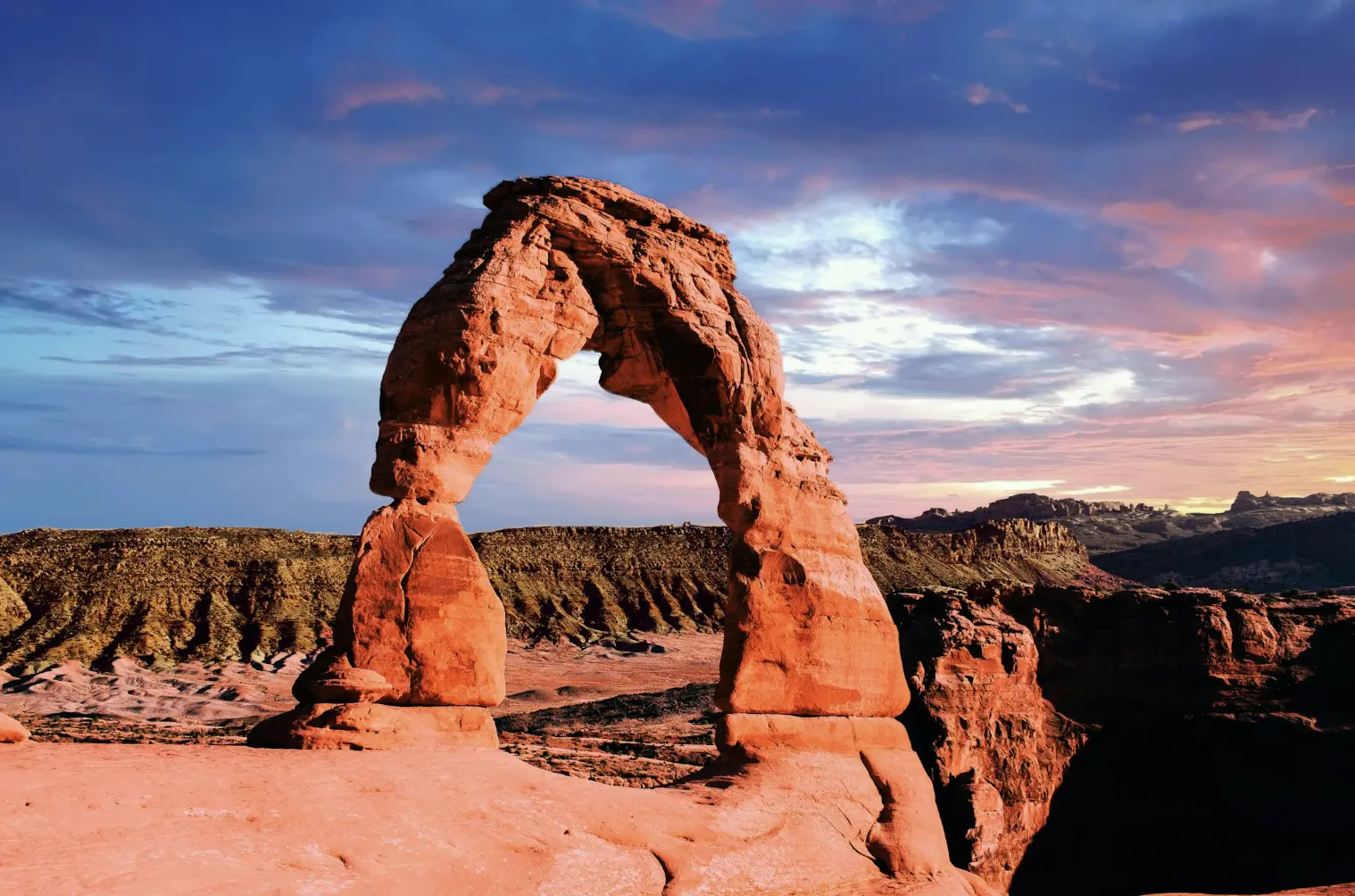
For groups with more time, extending a trip to Moab opens the door to two of the Southwest’s most extraordinary parks: Arches National Park and Canyonlands National Park. Arches features more than 2,000 natural sandstone arches, including the iconic Delicate Arch, with landscapes shaped by erosion and underground salt movement, ideal for Earth science study. Nearby Canyonlands offers vast views of river-carved canyons and mesas, showcasing the scale of erosion across the region. Moab itself sits near the confluence of the Colorado and Green Rivers and is a hub for outdoor learning and adventure. Activities like rafting on the Colorado River help students connect directly to the forces that also shaped the Grand Canyon. Adding Moab turns a great trip into a deeper exploration of the Colorado Plateau, one of the most geologically fascinating landscapes in North America.
Grand Canyon Educational Tour Itineraries
Grand Canyon Educational Tour FAQs
When should we start planning our Grand Canyon student trip?


We recommend starting the planning process at least 9–12 months in advance, especially for spring and fall travel, which are the most popular seasons for student groups. The Grand Canyon and surrounding Southwest destinations have limited group-friendly lodging, and availability near the South Rim and in gateway towns like Tusayan, Williams, and Flagstaff can fill quickly.
Planning early also allows time to secure key experiences such as Antelope Canyon tours, the Grand Canyon Railway, and preferred routing through destinations like Bryce Canyon or Zion. Because the region is large and travel times are significant, early planning helps ensure a well-paced itinerary that balances sightseeing, educational goals, and student comfort.
What grade levels are best suited for a Grand Canyon educational tour?
The Grand Canyon and American Southwest are excellent destinations for middle school, high school, and college-level student groups. Middle school groups tend to focus on the natural wonders, geology, and ecology, while high school and college groups can engage more deeply with the environmental policy debates, Indigenous history, and conservation themes. ETA tailors every itinerary to the appropriate age group, activity level, and curricular goals.
How many days should we plan for a Grand Canyon school trip?
We recommend a minimum of four to five days to experience the Grand Canyon and a selection of nearby highlights like Sedona, the Grand Canyon Railway, and Desert View. Groups who want to include Lake Powell, Antelope Canyon, and Bryce and Zion National Parks should plan for six to eight days. A full Grand Canyon-to-Moab itinerary covering the breadth of the Colorado Plateau works best over eight to ten days. ETA will work with you to find the right scope and pace for your group.
What subjects and curricula does a Grand Canyon trip support?
The American Southwest is one of the richest multi-disciplinary destinations in the country. A Grand Canyon educational tour naturally supports Earth science, geology, environmental science, ecology, biology, and hydrology. It also provides rich material for social studies, Indigenous history, American history, civics, and environmental policy. Photography, visual art, and creative writing groups consistently find the landscape transformative. Nearly every curricular focus can find meaningful content on a well-designed Southwest itinerary.
Is the Grand Canyon accessible for student groups with varying abilities?
Yes. The South Rim of the Grand Canyon offers numerous paved and accessible overlooks that can be enjoyed by students of all physical abilities. Shorter hikes like the Rim Trail and the first section of Bright Angel Trail are manageable for most students. For more active groups, longer rim-to-river hikes or day hikes on sections of the Bright Angel or South Kaibab trails provide more challenge. ETA designs itineraries that balance active exploration with accessible experiences so that every student can participate fully.
Can we ride mules into the Grand Canyon on a school trip?
Mule rides into the Grand Canyon are available, but they require advance reservations, often many months ahead, and have height, weight, and age restrictions that may limit student participation. For most school groups, day hiking on the Bright Angel or South Kaibab trails is the most practical and educationally rich way to experience the canyon below the rim. ETA can advise on the best options for your group’s age, fitness level, and timeline.
What is the best time of year to visit the Grand Canyon with students?
Spring (late March through May) and fall (September through October) are the ideal seasons for a Grand Canyon school trip. Temperatures on the South Rim are comfortable for hiking and sightseeing, and the crowds are generally more manageable than in peak summer. Summer brings warm to hot temperatures and large crowds, though early morning visits and higher-elevation stops like Bryce Canyon provide relief. Winter visits offer a magical, snowy rim experience with far fewer visitors, though some roads and trails may be limited.
Are Antelope Canyon tours appropriate for student groups?
Absolutely. Antelope Canyon tours are led by Navajo guides and are suitable for students of all ages. Upper Antelope Canyon involves minimal climbing and is accessible to most, while Lower Antelope Canyon has some ladders that add a mild adventure element. Both sections offer extraordinary natural beauty and provide a meaningful opportunity to learn about Navajo culture and the geological forces that shaped the canyon. ETA coordinates with reputable Navajo-owned tour operators to ensure an authentic and respectful experience for student groups.
Can the Grand Canyon be combined with other Southwest destinations in one trip?
Yes, and this is exactly how most of our clients design their Southwest itineraries. The most popular combinations include Grand Canyon with Sedona, the Grand Canyon Railway, Lake Powell, and Antelope Canyon for a five-to-seven-day Arizona-focused itinerary. Adding Bryce Canyon and Zion National Parks extends the trip into Utah’s stunning canyon country. Including Moab and Arches National Park creates a comprehensive Colorado Plateau experience. ETA specializes in connecting these destinations into seamless, logistically smooth itineraries.
What accommodations are available for student groups near the Grand Canyon?
Many student groups stay in nearby Flagstaff or Williams, which offer a good range of group-friendly hotels with convenient access to the park. For itineraries that include Page, Sedona, and Moab, each destination has appropriate student group accommodations. ETA manages all lodging coordination on your behalf.
Is the Grand Canyon safe for student travel groups?
The Grand Canyon is a safe and well-managed national park with excellent ranger services and visitor infrastructure. The most important safety considerations for student groups are hydration, sun protection, and staying on designated trails, especially when hiking below the rim. ETA builds comprehensive safety protocols into every Grand Canyon school trip, including selecting age-appropriate hikes, ensuring proper hydration plans, and providing thorough pre-trip preparation for students and chaperones. We have extensive experience managing student groups safely at the Grand Canyon and throughout the Southwest.
Do you plan educational tours beyond the Grand Canyon?
Yes. Educational Travel Adventures offers both domestic and overseas school trips, across a wide range of destinations. We partner with educators to design teacher travel programs aligned with curriculum goals such as STEM, history, art, and environmental science.
We also organize educational performance tours for band, orchestra, choir, music, theater, and dance groups, combining performance opportunities with cultural travel.
Explore A Grand Canyon Student Tour with ETA
Create the perfect Grand Canyon adventure with the expert trip planners at ETA.